Habit Burger Plots National Expansion With Guest-Centered Operating Model
Habit Burger's new COO Shauna McKenzie-Lee is centering operations on guests and back-of-house tech as Yum pushes national growth beyond its nearly 385 units.
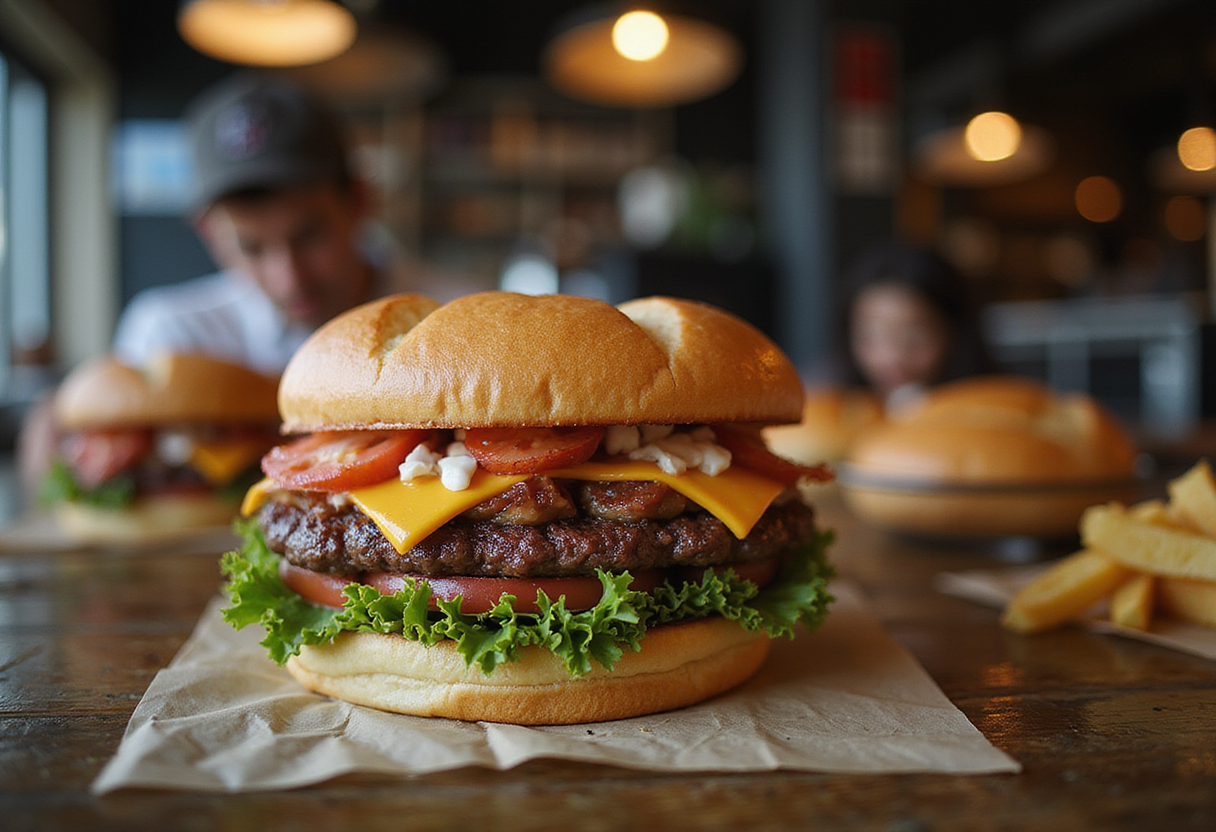
Habit Burger & Grill finished 2025 with nearly 385 locations, up 1.6% year over year, while sales stayed essentially flat in a burger category that grew just 1.5% against 3% growth for the overall restaurant industry, according to Technomic data. Against that backdrop, the California-based fast-casual chain has recruited Shauna McKenzie-Lee from Starbucks as chief operating officer and is betting that a guest-centered operating model — not a menu overhaul — will power its next phase of growth.
Parent company Yum Brands is sharpening its focus on Habit following the Pizza Hut spinoff, giving the chain both momentum and a proven playbook as consumer demand for higher-quality menu items intensifies. Competitors including Wendy's and Jack in the Box are struggling and retrenching, which Habit sees as room to gain share. Carl's Jr., meanwhile, recently shifted to made-to-order burgers under President Iwona Alter — McKenzie-Lee's predecessor at Habit — directly targeting the fast-casual tier.
McKenzie-Lee said the competitive migration toward cooked-to-order preparation doesn't worry her. Habit has always cooked its burgers made-to-order, and she calls that a "significant competitive advantage" she doesn't plan to adjust.
"The guest who is looking for a cooked-to-order, fresh meal with a memorable experience. That's the lane we'll continue to move in," she said. "I think as the QSR space continues to push, we have to make sure we are also continuing to move forward (with) the best food and experiences."
From coffee to burgers
McKenzie-Lee spent more than 10 years at Starbucks, and she said Habit reminded her of that experience in one fundamental way.
"We have the ability to create moments where you can become the best part of someone's day," she said. "I believe people still come to restaurants to gather and meet. Starbucks was one vehicle to do that. For me, Habit is an even bigger opportunity. It's special when someone cooks for you."
Her early priorities center on operations rather than menu engineering. She has spent much of her time on the job traveling to restaurants across the country to understand systems and processes and talk with employees about what's working. She also attended the chain's District Manager Summit over the summer, where field leaders, district managers and executives align on company goals. Her assessment so far: training and execution are strong.
"The next chapter of Habit will be focused on the guest and written in the restaurants," she said. "We are looking for what guests are giving us credit for and moving that to the center of our operating system."
That means elevating service to the same level as the food itself. "The places we'll have more emphasis on is how we make that experience become just as or more memorable than the food itself," she said. "One of the core ways we grow is by having a different, elevated, experience."
The restaurant of the future
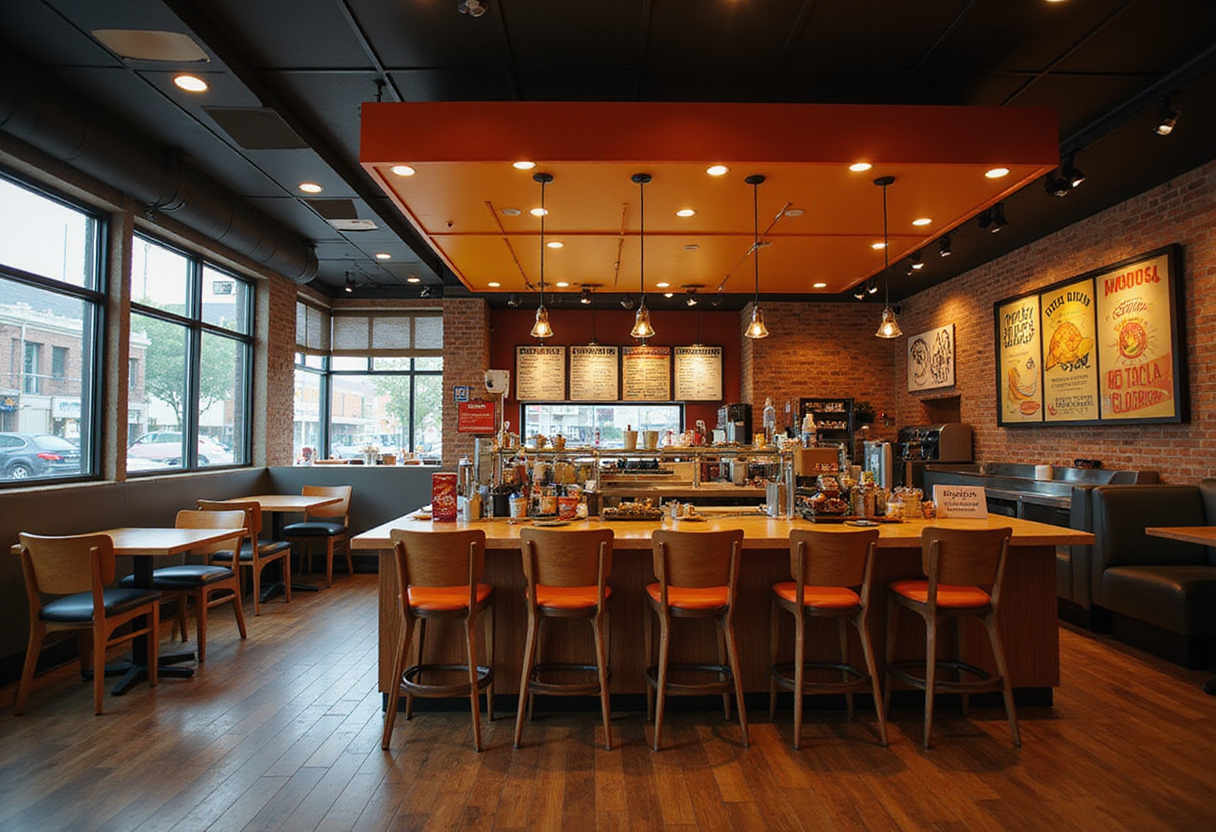
The operational challenge is balancing that hospitality emphasis with an increasingly digital consumer. Habit is developing a "restaurant of the future" design that includes dine-in, drive-thru and mobile ordering across a single footprint.
"We want to design a restaurant that, regardless of the channel the guest experiences us, they will have a personalized experience just for them," McKenzie-Lee said. "It will include spaces that are inviting, colorful, and vibrant."
The company will share more details on the design soon. Back-of-house technology is also under review, specifically to automate tasks such as inventory management. The goal, McKenzie-Lee said, is labor reallocation rather than labor reduction — freeing staff time so restaurants can "put more outsized energy around the guest."
"We are spending time thinking about leveraging and tapping into the systems available to us," she said. "It is table stakes to have digitized components. We are focused on the human connection, when people come in we're making sure someone sees and acknowledges the guest — makes them feel good about (their decision to visit). Tech should make us more human, not less human and we'll lean in on finding and capturing human moments."
A challenger brand accelerates
Habit aims to "double charge" its growth far beyond its home state of California and across the country. McKenzie-Lee frames the chain's positioning as a structural advantage rather than an underdog liability.
"One of the things that uniquely positions us is we are a challenger brand that feels good about how to accelerate," she said. "We have a solid foundation around food execution and the energy around the (guest) experience is what lights me up."
With Yum's development infrastructure behind it, a flat sales base to reignite and a category growing at half the industry rate, Habit's expansion case rests on whether an experience-led operating system can convert a 1.5% growth category into unit-level momentum well beyond the West Coast.
More from Daniel Okafor
Show full bio
Correspondent covering consumer brands and retail at The Pass Brief.
60 articles