Fire Destroys Much of Hudson Valley Foie Gras, One of Two U.S. Producers
Fire destroyed most of Hudson Valley Foie Gras in Bethel, NY, one of America's last two foie gras farms, as its legal fight over NYC's sales ban continues.
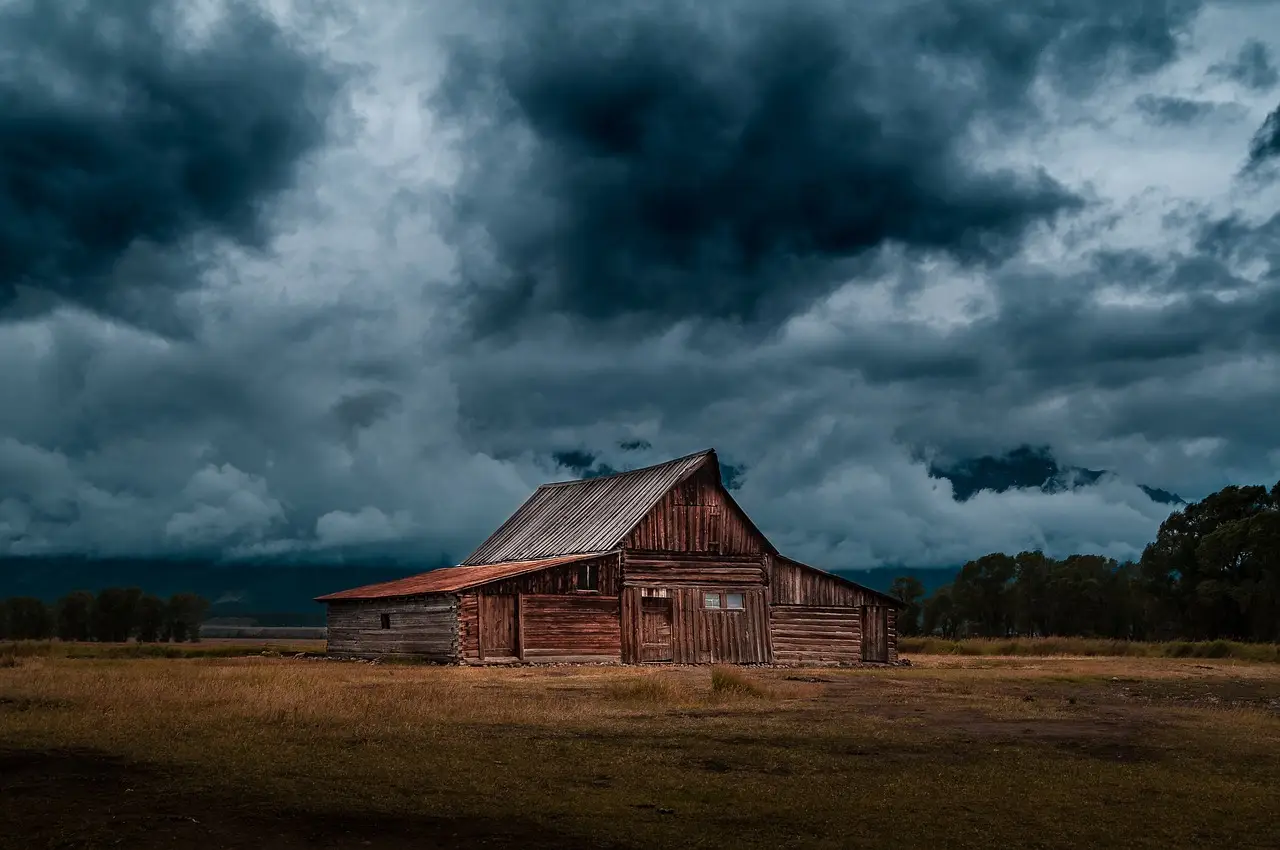
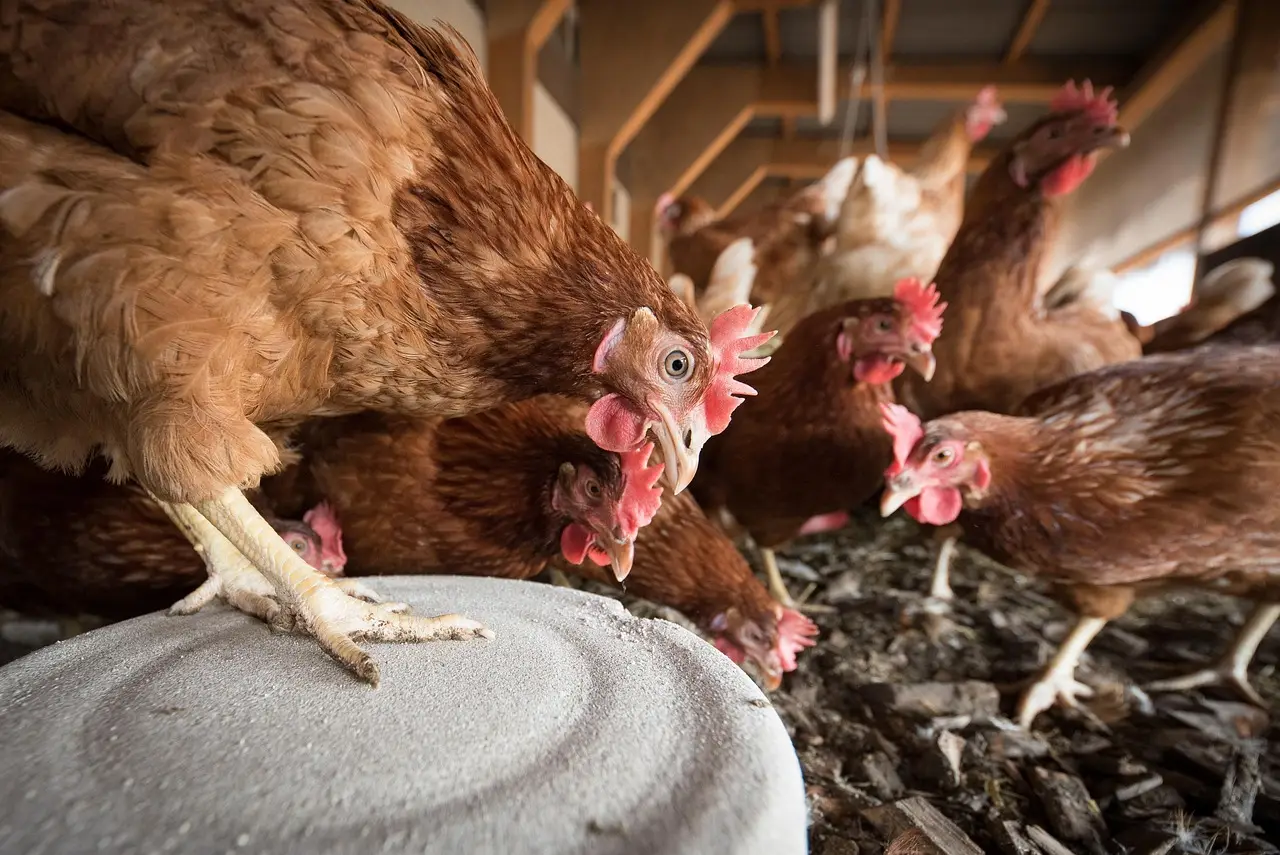
A predawn fire has destroyed most of the buildings at Hudson Valley Foie Gras in Bethel, New York, one of only two foie gras producers left in the United States. The blaze killed an unknown number of ducks and geese, and it landed while the farm fights New York City in court over its foie gras sales ban.
Firefighters received a 911 call at 1:10 a.m. Thursday. By the time crews arrived, flames had already raced through the farm's wood-framed buildings, fire officials told Gothamist. The property's largest building went first. The fire then spread to other structures.
"The fire took off so fast, there was no way to get inside," Smallwood-Mongaup Valley Fire Chief Charlie Kalinowski said. More than two dozen fire departments responded. Most of the buildings on the property were completely destroyed, according to Kalinowski.
Crews rescued some animals, including hundreds of newly hatched birds. Others perished. The total death toll among ducks and geese remained unclear.
No employees or first responders were injured, farm manager Marcus Henley confirmed.
What does the fire mean for supply?
The answer depends on the scale of the operation. Henley previously told Gothamist that the company's nearby Ferndale facility processes roughly 6,000 ducks weekly. That throughput supplies the restaurant trade that buys foie gras, a fatty duck-liver product made by force-feeding birds, a practice animal-rights groups condemn as cruel and that New York City has moved to restrict.
Henley told Radio Catskill that investigators suspect an electrical malfunction sparked the blaze. The Sullivan County Fire Investigation Team said the cause remains under investigation.
The supply picture is unusually concentrated. Hudson Valley Foie Gras and neighboring La Belle Farm, both in Sullivan County, are the country's only remaining foie gras producers. A fire that removes even part of one farm's capacity tightens a national supply base that already consists of two companies.
Where does the legal fight stand?
The New York City Council approved a foie gras sales ban in 2019. The measure targeted product made through force-feeding and was scheduled to take effect in 2022. Litigation has blocked enforcement ever since.
The two farms argued the ban threatens their businesses by shutting them out of a crucial market and by improperly interfering with agricultural practices permitted under state law. New York's Department of Agriculture and Markets sided with the producers, finding the city's restrictions violated state protections for farms in designated agricultural districts.
In March, a state appeals court unanimously overturned that determination. The court ruled the city can regulate what restaurants and retailers sell without directly restricting farming operations elsewhere in New York — a distinction that keeps the ban alive on paper while its enforcement remains tied up in the broader dispute.
The farms' next legal move has not been announced. Either way, one of the two producers now faces the cost of rebuilding while its market access hangs on unresolved litigation.
More from Rebecca Stone
Show full bio
Senior reporter covering technology and product news in Restaurant and hotel operations at The Pass Brief.
751 articles