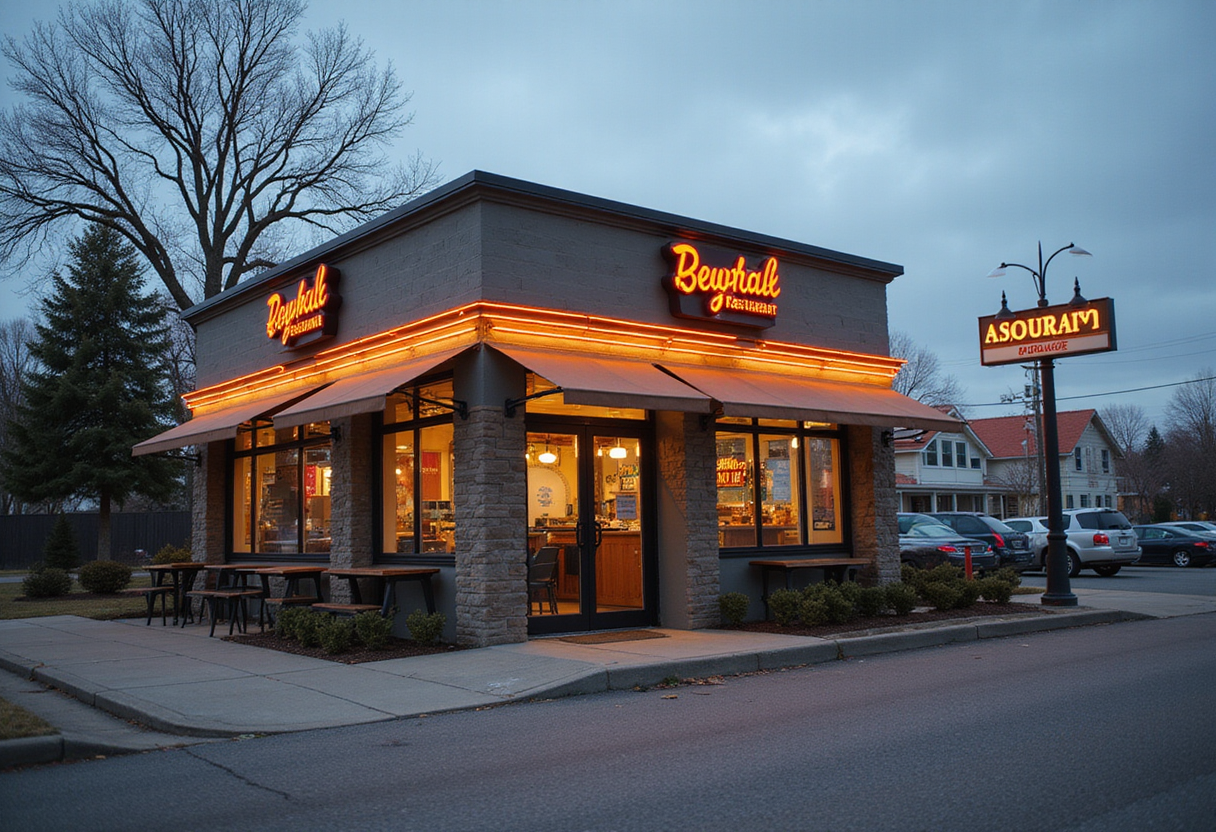
TS Restaurants Rebuilds Again as Fires and Floods Hit Hawaii
TS Restaurants has rebuilt its Hawaii locations after repeated fires and floods. The report gives no revenue or rebuild-cost figures, and gaps remain.
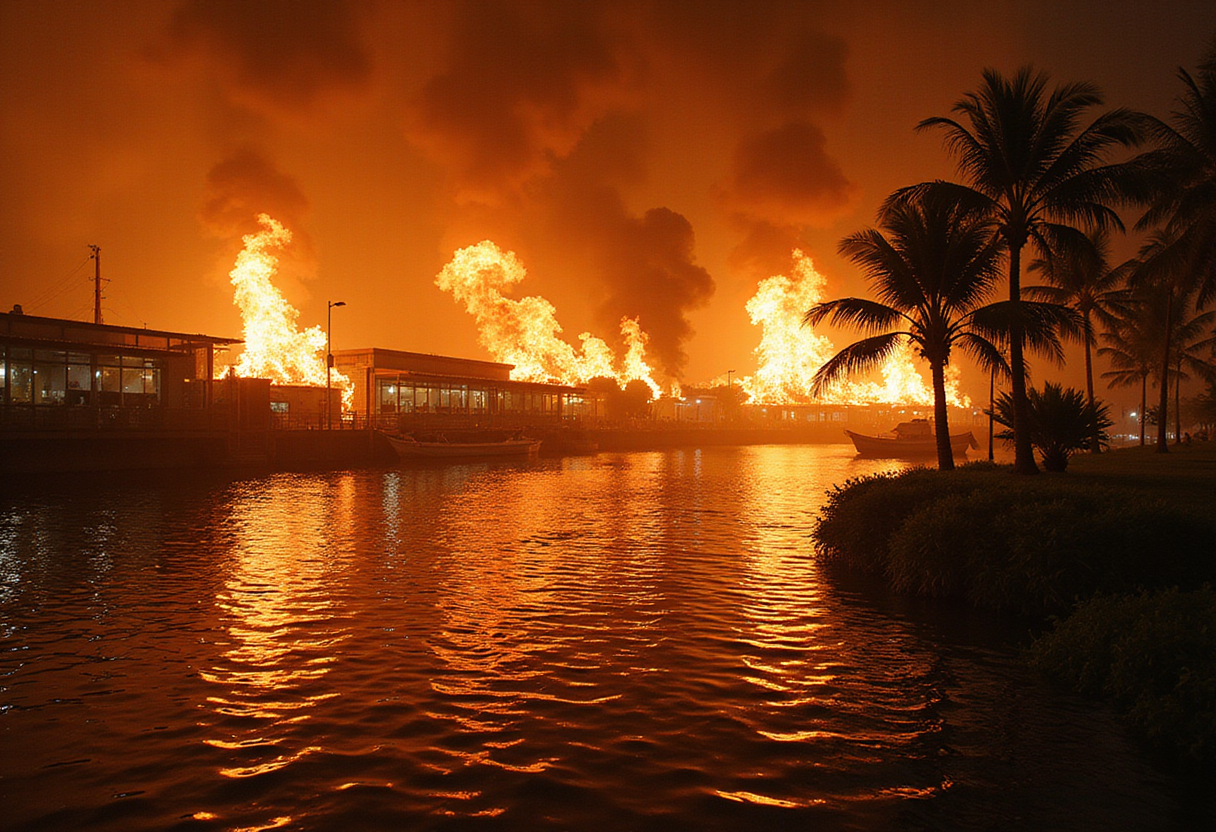
TS Restaurants, the Hawaii-based restaurant group, has rebuilt its operations after repeated wildfires and floods, Nation's Restaurant News reports. The chain now operates multiple locations across the Hawaiian islands and one in California, and its story centers on recovery rather than expansion.
The report, titled "TS Restaurants: Finding paradise through fires and floods," describes a company that has weathered disaster more than once. The title itself carries the weight of the story. Fires and floods have struck the group's island properties, and management has chosen to rebuild each time rather than retreat.
What does the recovery actually involve?
The published summary available to The Pass Brief contains no unit-level economics. The report does not state check averages, revenue figures, or labor costs. It does not break down company-operated locations against any licensed or franchised units. Readers should treat any recovery-cost claims with caution until the full financials appear.
What the report does establish is scale. TS Restaurants runs a portfolio of casual dining concepts spread across Hawaiian markets, with a single outposts on the mainland. That footprint puts it in direct exposure to the island chain's disaster cycles, from wildfire damage to flood events that have hit hospitality zones in recent years.
A restaurant group rebuilding in Hawaii faces construction costs well above mainland averages, because most materials arrive by ship. The report does not quantify that premium. It frames the company's persistence as part of its identity, not as a spreadsheet exercise.
How does the group frame its staying power?
The report's framing — "finding paradise" — suggests the operator treats location as the core asset. Beachside and waterfront sites carry premium real estate exposure. That exposure cuts both ways: the same oceanfront setting that draws guests also sits first in line for storm surge and flood damage.
The group's leadership, according to the report, has leaned on long tenure in the market and community ties to carry properties through reconstruction periods. The report does not quote executives directly on timelines, insurance recoveries, or reopening dates. Those gaps matter. Rebuilding claims without schedules are promises, not plans.
Why does this matter for the wider sector?
Hawaii's restaurant sector has absorbed repeated shocks in recent years, from the 2023 Maui wildfires that devastated Lahaina's dining corridor to periodic flooding that closes access roads and cuts tourist traffic. Operators in the state depend heavily on visitor volume, and disaster events suppress arrivals for months. TS Restaurants sits squarely inside that exposure.
The report positions the company as a case study in endurance. Endurance is not the same as growth. No new openings, acquisitions, or concept launches appear in the available material. The story is about holding ground.
For operators watching from less exposed markets, the relevant question is insurance. The report does not detail TS Restaurants' coverage, deductibles, or business-interruption terms. Without those figures, the economics of repeated rebuilding stay opaque. A full accounting would need cost of reconstruction per unit, downtime in weeks, and revenue recovery curves.
The Pass Brief will follow up when those numbers surface.
What comes next?
TS Restaurants continues to operate its island portfolio under the same ownership, and the report signals no change in direction. If Hawaii's disaster pattern intensifies, the group's model — premium locations, repeated reinvestment, community anchoring — will face a sterner test. The company has rebuilt before. Whether it can keep doing so at acceptable cost is the question the report raises but does not answer.
More from Marcus Bennett
Show full bio
Market editor covering technology and product news in Restaurant and hotel operations at The Pass Brief.
325 articles