Bird Flu Forces Cal-Maine to Cull 1.76 Million Birds in Florida
Cal-Maine Foods will cull 1.76 million birds after an HPAI outbreak at its Florida facility, 2.7% of its flock, following a $58.6m quarterly net loss and a 41.5% sales drop.
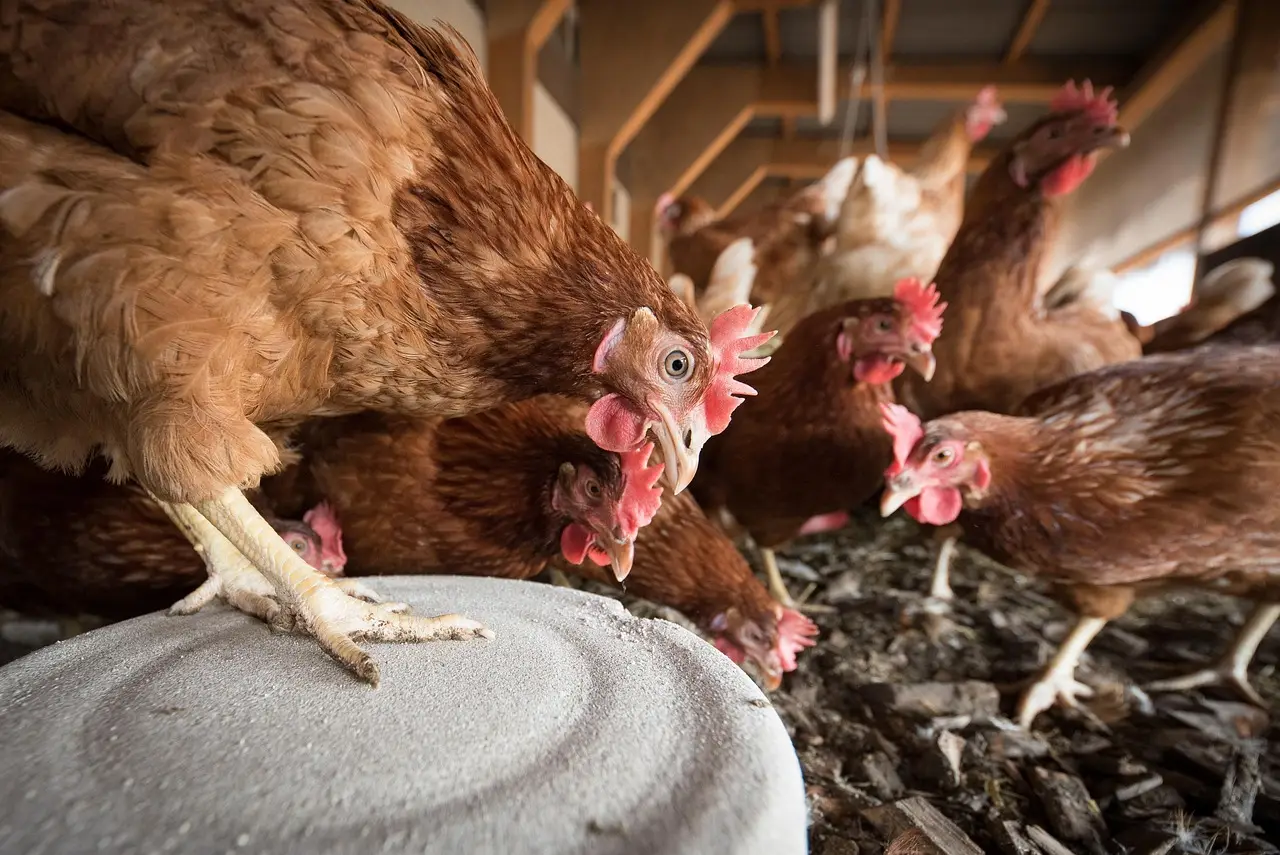
Cal-Maine Foods will cull about 1.4 million laying hens and 360,000 pullets after confirming highly pathogenic avian influenza at a Florida facility on 18 November. The birds represent 2.7% of the company's total flock.
The Mississippi-headquartered egg producer, owner of the Eggland's Best brand, has halted production at the site temporarily. It is now executing containment measures prescribed by the US Department of Agriculture (USDA).
Can Cal-Maine absorb the loss?
The company says yes. Cal-Maine expects its "geographically diversified production network" to give it flexibility during the disruption.
"By coordinating production and distribution across multiple locations, the company is working to mitigate the impact of this facility disruption, maintain continuity of supply, and minimise potential impacts to customers," it said in a statement.
That claim deserves scrutiny. Cal-Maine supplies retail, foodservice and industrial customers across the US with cage-free, organic and free-range eggs, plus prepared foods. Nearly 1.8 million birds lost is not trivial, even at 2.7% of the flock. The company offered no timeline for restarting the Florida site and no estimate of the financial cost of the depopulation.
Is there a food safety risk?
Cal-Maine confirmed no eggs have been recalled due to HPAI. It stressed there is "no known risk" associated with products currently on the market.
The company cited USDA guidance that avian influenza cannot be transmitted through "safely handled and properly cooked eggs." The US Centers for Disease Control and Prevention likewise considers the human health risk to the general public from HPAI viruses to be low.
How unusual is this outbreak?
It is the third HPAI event at Cal-Maine in under two years, and the pattern is escalating in scale:
- March 2026: An outbreak at a Maryland pullet facility forced depopulation of about 352,000 pullets. Operations there have since fully resumed.
- April 2024: An outbreak in Parmer County, Texas killed approximately 1.6 million laying hens and 337,000 pullets.
- November 2026: The current Florida outbreak, the largest of the three by bird count.
Cal-Maine said it maintains "robust biosecurity" programmes across its sites. Yet it acknowledged that "no farm is immune" to the virus. HPAI continues to circulate in wild bird populations, the company noted, and the scale of future outbreaks cannot be predicted, particularly during migration seasons when risk is heightened.
What does this mean for the business?
The outbreak lands on a company already under financial pressure. Cal-Maine posted a net loss of $58.6 million for the first quarter of fiscal 2027, against net income of $199.3 million a year earlier — a swing of more than $250 million.
Net sales for the quarter, which ended 29 August 2026, fell 41.5% year-on-year to $539.6 million.
For restaurant operators and foodservice buyers, the risk is supply tightness and price volatility. Florida's depopulation removes laying capacity from the market at a moment when Cal-Maine's diversification strategy faces its first real test since the Texas outbreak. The company has not said whether the cull will affect pricing, and the next migration season is already within view.
More from Marcus Bennett
Show full bio
Market editor covering technology and product news in Restaurant and hotel operations at The Pass Brief.
798 articles