Starbird lands Washington debut, exits home market for first time
Starbird, the Bay Area chicken tender concept, will open its first Washington state restaurant this year, marking the chain's first move outside California since 2015. No unit count, opening date, or franchise model disclosed.
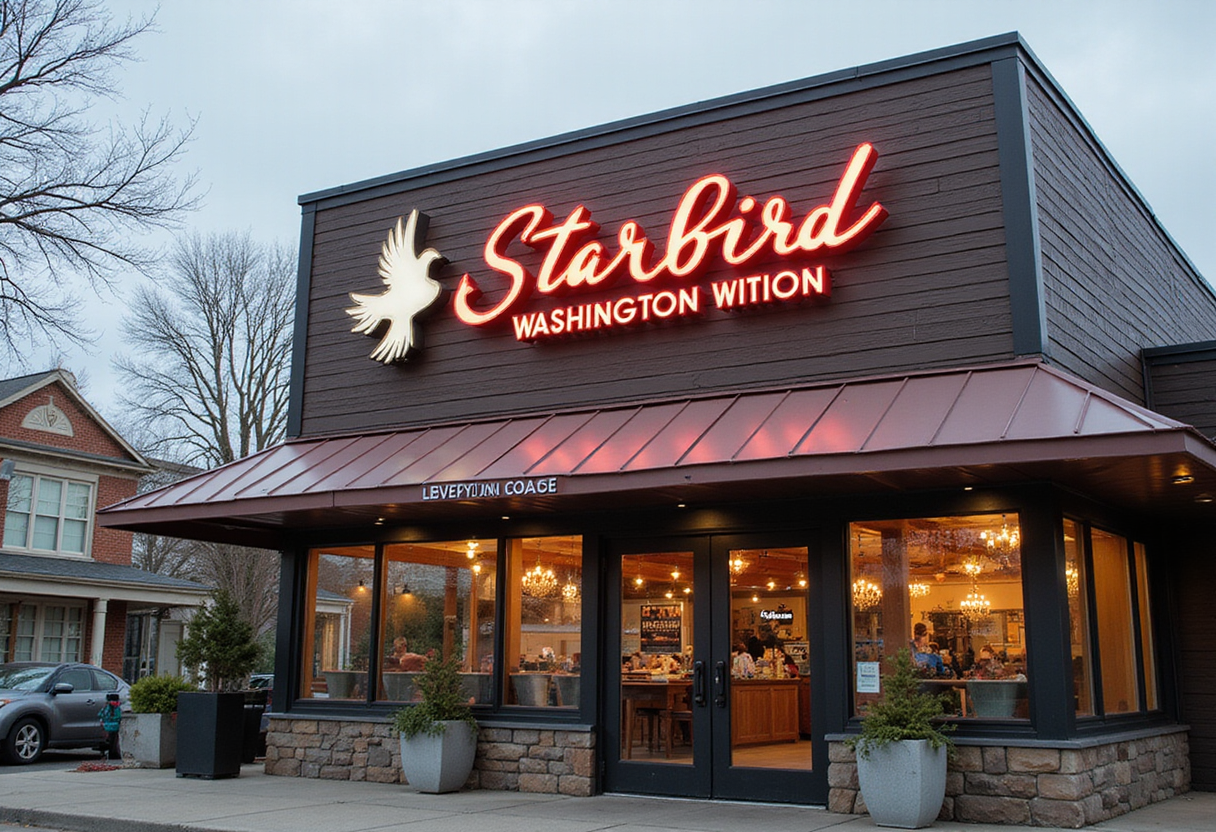
Starbird, the San Francisco Bay Area chicken tender concept, will open its first Washington state restaurant this year, Nation's Restaurant News reported. The unit marks the chain's first move outside California.
The brand has operated exclusively in its home state since its 2015 debut. The company runs primarily in the Bay Area, with additional units in Sacramento and Southern California, per the company website.
Starbird has not named a debut market. It released no opening date, real-estate partner, target unit count, or franchise-versus-company-operated model in the announcement.
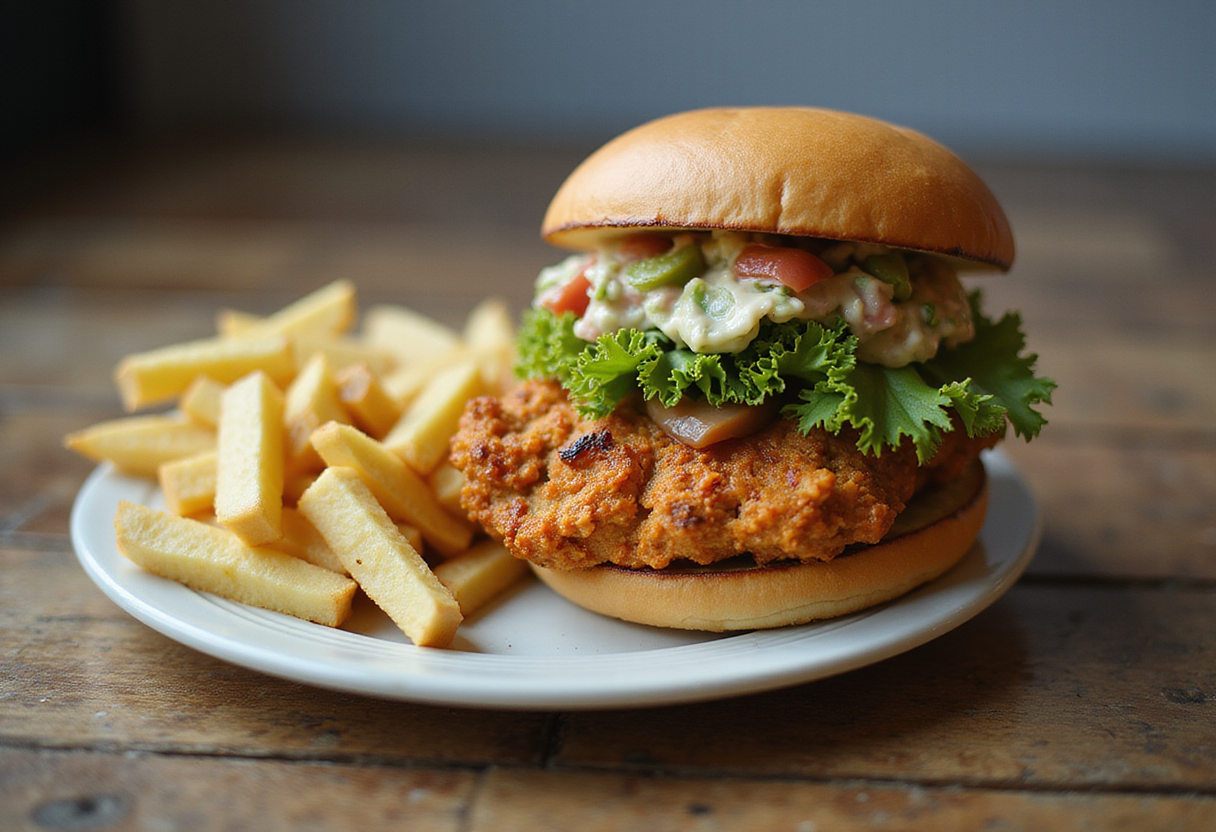
The chain runs a premium chicken-tender format. Menu pricing in California reportedly pushes checks above the $13 mark, well above the $9-$10 average at legacy chicken chains.
How does the chain stack up economically?
Starbird has not published unit-level economics. Comparable premium chicken concepts typically post food costs in the high-20s as a percent of sales, with labor in the mid-20s, per industry benchmarks.
The chicken tender category has materially outperformed legacy QSR (quick-service restaurant). Popeyes, Raising Cane's, and Wingstop have posted positive same-store-sales comps (comparable same-store sales growth) in recent quarters, trade data show. Premium concepts have leveraged sauce programs and menu engineering to drive ticket averages above the casual-dining threshold, where checks typically land between $13 and $16.
What does the Washington debut signal?
The move points to multi-market readiness. Capital availability for out-of-state development appears in place, based on the announcement timing.
The brand's expansion suggests franchise interest. Starbird's California unit economics hint at appetite for multi-state franchise infrastructure, though the company has not confirmed a franchising model. A single-unit company-operated debut would be the cautious reading. A multi-unit franchise filing would be the bullish one.
What about Pacific Northwest economics?
Washington labor costs sit between the U.S. median and the Golden State's fast-food floor. The state minimum wage reached $16.66 per hour in 2025, per state data, below California's $20.00 fast-food minimum in effect since April 2024.
Real estate dynamics also differ. Seattle retail vacancy rates run higher than Bay Area averages, per commercial real estate data, moderating buildout costs for new entrants. Lower occupancy costs offset some of the labor pressure, but not all of it.
The Pacific Northwest is not a vacuum. Raising Cane's operates multiple units in the Seattle metro, per the company's location finder. Other premium concepts run nearby. Starbird enters a market with active competition.
What is said about the path forward?
Menu engineering will do the work. The chain's rotating sauce program and protein-add-on structure offer ticket-lift opportunities legacy chains cannot easily match, per menu-mix analysis. Premium operators typically run $3 to $5 above mass-market chicken peers on average check.
The chain has not commented on additional markets. The Washington debut will test the brand's appetite for out-of-state guests.
The next unit is the test. Watch for the Washington market name, opening date, and any franchising disclosure in the chain's next release. Until then, the expansion is more flight than landing.
More from Rebecca Stone
Show full bio
Senior reporter covering technology and product news in Restaurant and hotel operations at The Pass Brief.
346 articles