PMI Hits 77.9%, Hormel Bets $1B on Chicken, California Signs Non-UPF Label Law
PMI surges to 77.9%, Hormel puts $1 billion behind chicken capacity, and California signs a non-UPF labeling law with broad compliance fallout.
Three developments moved across the food industry wire this week, each with direct cost, sourcing or compliance implications for operators and manufacturers.
Purchasing managers index climbs to 77.9%. The PMI reading surged to 77.9%, a level that signals accelerating input-price pressure across food manufacturing and distribution. For restaurant operators, a PMI at that level historically translates into sustained cost-of-goods inflation, putting renewed pressure on menu engineering and supplier contract terms. Purchasing teams that locked fixed-price agreements earlier in the cycle will hold a temporary margin advantage as spot prices climb.
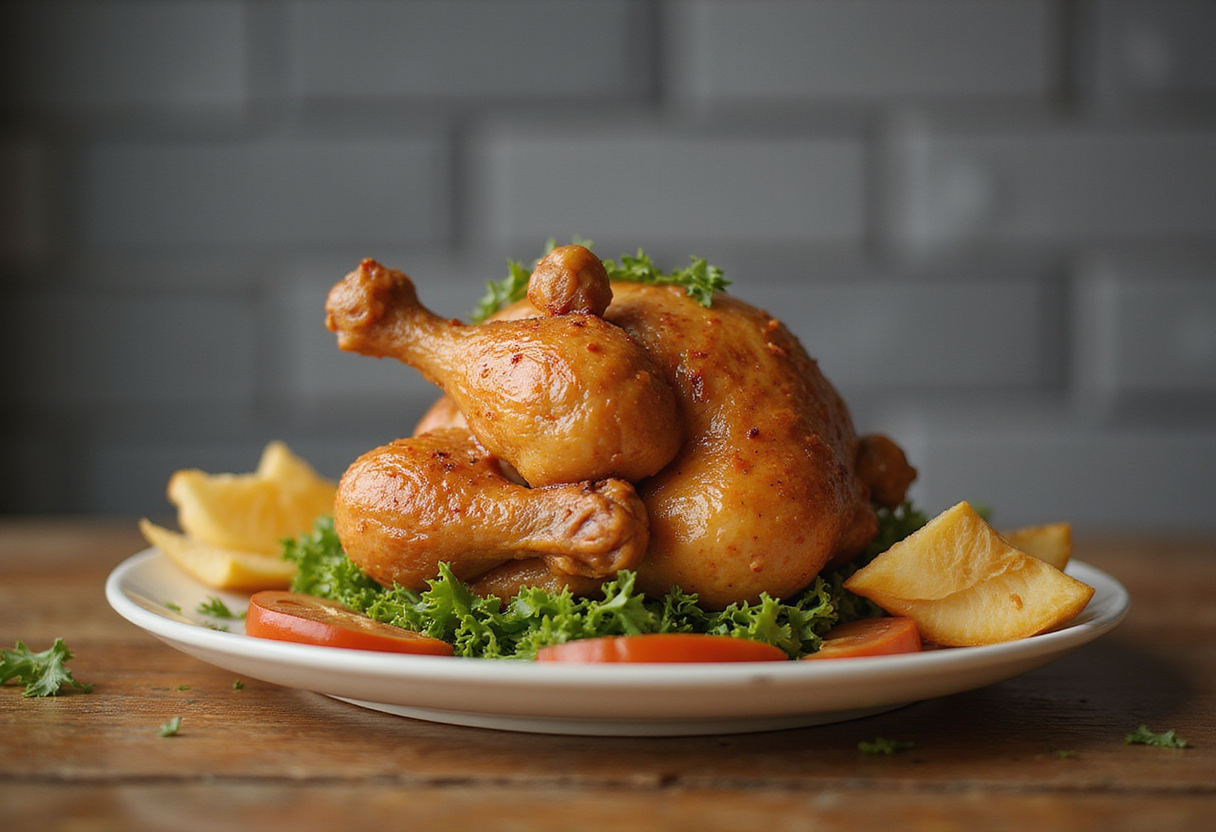
Hormel commits $1 billion to chicken. Hormel Foods is directing a $1 billion investment into its chicken business, a capital allocation that signals where the company sees volume growth and margin potential within protein. Chicken remains the most menu-versatile and cost-stable protein for operators, and additional supply capacity from a major processor could ease price pressure downstream — though the timeline and plant-level details will determine when restaurant buyers see any benefit. The investment also positions Hormel to compete more aggressively in value and prepared chicken categories where foodservice demand has held firm even as beef prices have strained menus.
California enacts non-UPF label law. California has signed into law a labeling requirement for ultra-processed foods, adding a new compliance obligation for packaged goods sold in the state. The law creates a disclosure framework around products that don't meet its non-UPF definition, which means manufacturers selling into California — the largest single-state food market in the U.S. — will need to reformulate, relabel or segment SKUs. Restaurant chains using pre-packaged, branded retail products and CPG partnerships should audit their California-facing portfolios now, since label changes typically require packaging redesign cycles that run months ahead of enforcement deadlines.
Taken together, the three items point in one direction: input costs are rising, capital is flowing toward chicken capacity, and disclosure requirements are tightening in the nation's largest state market — conditions that will shape purchasing budgets and product portfolios well into next year.
More from Marcus Bennett
Show full bio
Market editor covering media and advertising at The Pass Brief.
103 articles