Downtown Columbus to See Two Closings, One Opening in 2026
Downtown Columbus will absorb two restaurant closures and one opening in 2026. Due Amici and Mitchell's Steakhouse will exit, while Amara enters the corridor, per a Business Journals brief that supplies no dates or operator commentary.
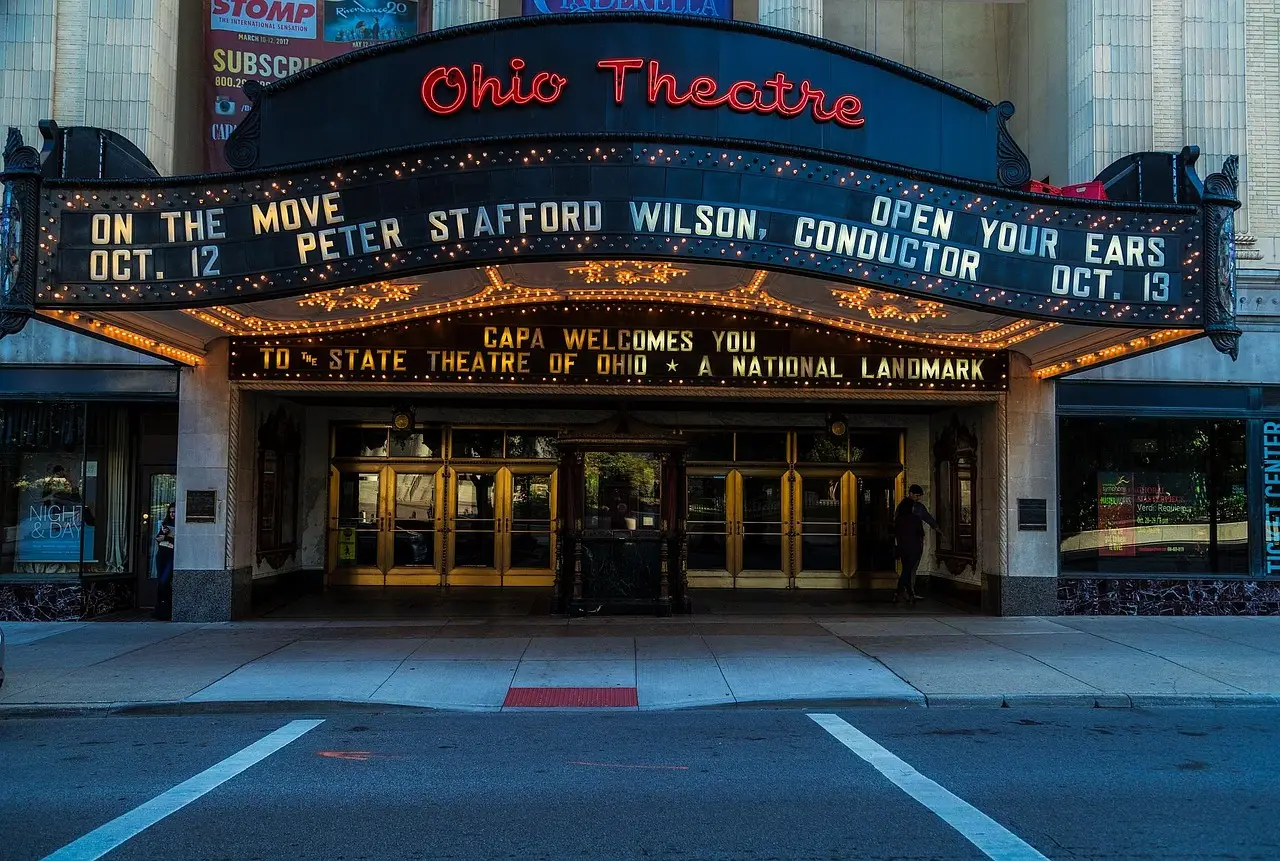
The downtown Columbus restaurant market will absorb at least three significant operator changes during 2026, with two established operators closing and one new concept entering the corridor, according to The Business Journals.
The brief identifies two closures and one opening. Due Amici will close. Mitchell's Steakhouse will close. Amara will open. The announcement supplies no opening or closing dates, no operator commentary, and no financial data.
What is the scale of the change?
The shift is concrete but narrow in disclosed detail. Two established operators exiting one downtown corridor against a single new entrant represents net capacity contraction, if Amara does not exceed the combined footprint of the departing venues.
The source does not state the seating capacity of any of the three properties. It does not disclose square footage, lease terms, or back-of-house configurations. A skeptical reader should treat the net unit figure as directional rather than definitive, since two closings plus one opening in a calendar year is a thin dataset for any market call.
Why does the steakhouse closure matter?
Steakhouse formats typically command above-average check sizes and require sustained dinner-daypart traffic. Mitchell's Steakhouse's exit removes one of those higher-check options from the immediate downtown trade area.
The source does not say whether the closure reflects category softness, real estate cost pressure, or operator strategy. A caveat is warranted. A single announced exit is not a segment verdict. Steakhouse performance in Columbus will require separate disclosure before any pattern claim holds, given that the brief provides no check average or covers data for the closing venue.
What is known about Amara?
Almost nothing. The source identifies the name, the planned 2026 opening, and the downtown Columbus location. It does not state ownership, cuisine concept, target price point, or intended launch date.
Operators across the country have grown accustomed to withholding menu, pricing, and ownership specifics until permitting clears, a practice that protects concept positioning in dense urban dining markets. A reader should expect formal announcements to follow, not precede, the public filing window, and any early concept characterization is speculative.
What is the source not saying?
The Business Journals brief does not address whether the three moves are connected, whether a single landlord holds any of the leases, or whether the new operator backfilled an existing vacancy.
The report offers no labor cost data, no sales tax context, and no foot traffic baseline. A skeptic would note that these omissions are normal for a summary dispatch. They also constrain the analytic reach of the news itself, since the three events cannot be benchmarked against any disclosed operating metric.
What should operators watch?
For downtown Columbus operators, three moves in a single year signal portfolio rotation rather than market collapse. The net direction is contraction in seat count, contingent on Amara's eventual positioning.
A quarterly check of local sales tax filings and any subsequent operator disclosures will clarify the picture. Downstream data will determine whether this is a one-time reset tied to specific lease events, or the opening of a multi-year contraction in the corridor. Net change in a single downtown submarket over a calendar year is a data point, not a verdict, and limited disclosure does not change that arithmetic.
Marcus Bennett covers restaurant industry economics and operator strategy.
More from Marcus Bennett
Show full bio
Market editor covering technology and product news in Restaurant and hotel operations at The Pass Brief.
454 articles