Golden Corral Closes Stores While Planning 2027 Expansion
Golden Corral will shutter an unspecified number of restaurants while mapping new openings through 2027. Operators will read the move against net-unit growth, format changes and geographic spread.
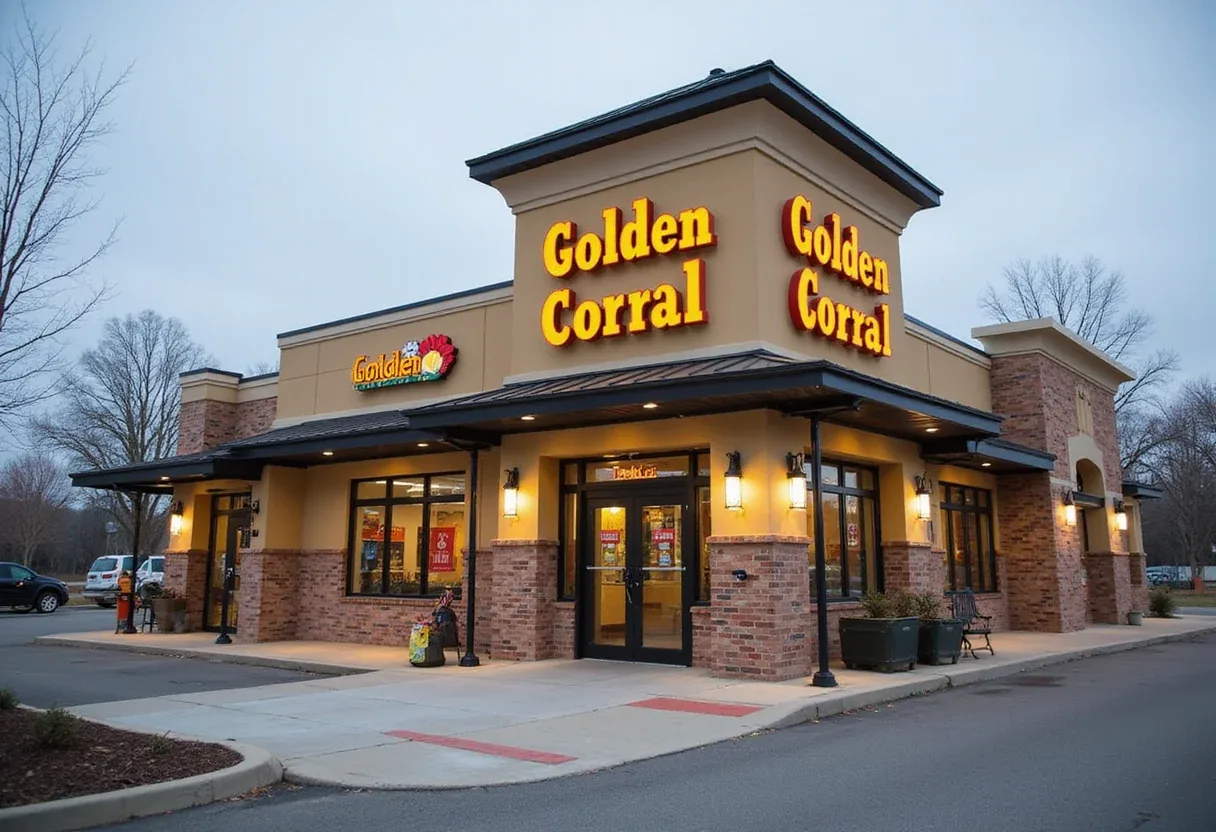
Golden Corral will close an unspecified number of restaurants while mapping new openings through 2027, the buffet chain confirmed this week in an announcement reported by iHeart.
The company did not disclose how many units are exiting the system, which markets are affected, or how many new restaurants are planned. The 2027 horizon marks the outer edge of the current growth plan.
What does the announcement change for operators?
For franchisees, landlords and supply-chain partners who track the chain, the practical question is straightforward: will 2027 deliver net unit growth, or will new openings merely offset the closures at parity. That distinction separates growth strategy from portfolio maintenance.
The simultaneous close-and-expand pattern has become common across casual dining. Operators have shuttered older boxes in mature trade areas while seeding new builds in growth markets, typically where the math works — older units running at or below break-even contribution margin, newer formats clearing higher check averages and tighter labor ratios.
Golden Corral's footprint skews toward suburban and highway-adjacent sites in the South and Midwest. Any 2027 expansion would most likely track that trade-area logic, with new builds anchoring to existing co-tenancy patterns rather than entering unfamiliar metros where real-estate and labor costs typically pressure buffet economics.
The chain is privately held under Golden Corral Corporation and does not publicly file unit-level economics such as same-store sales, average check, or labor cost as a percentage of revenue. Operators reading the announcement are therefore working from the directional signal alone, without the underlying P&L context that publicly traded competitors disclose in earnings calls.
What to watch next
Three indicators will clarify whether the 2027 plan reads as growth or as steady-state replacement:
- Net unit change: whether the count of new openings exceeds the count of closures by a meaningful margin, or whether the two roughly offset.
- Format revisions: whether new restaurants test a revised buffet template — pickup windows, smaller dining rooms, tech-enabled checkout — or replicate the existing build.
- Geographic spread: whether expansion follows the historical footprint into the South and Midwest, or pushes into new regions where the buffet model is less proven.
The planning horizon itself is worth noting. Multi-year growth windows in casual dining typically align with lease rollover cycles, prototype testing periods and franchise-agreement renewals. The 2027 date therefore reads less as a public deadline than as a marker of where the company's real-estate committee expects the portfolio to stabilize.
The buffet category has spent the past several years recalibrating around three pressure points: labor cost as a share of revenue, food cost inflation in proteins and produce, and the slow erosion of the lunch daypart. Chains that have navigated the squeeze have generally done so by closing stores with structural problems rather than trimming across the system.
Golden Corral's announcement fits that pattern. The next twelve months of real-estate filings will show whether the company is rebuilding toward 2027 or simply resetting its existing footprint.
More from Elena Vasquez
Show full bio
News editor covering people, launches and day-to-day practice in Restaurant and hotel operations at The Pass Brief.
454 articles