Nestlé USA Plants Its Flag on 2027: Zestier Flavors, Juicier Coffees
Nestlé USA's 2027 trend forecast points to zestier flavor moments and juicier coffees — a sourcing-led signal for operators with a two-year runway.
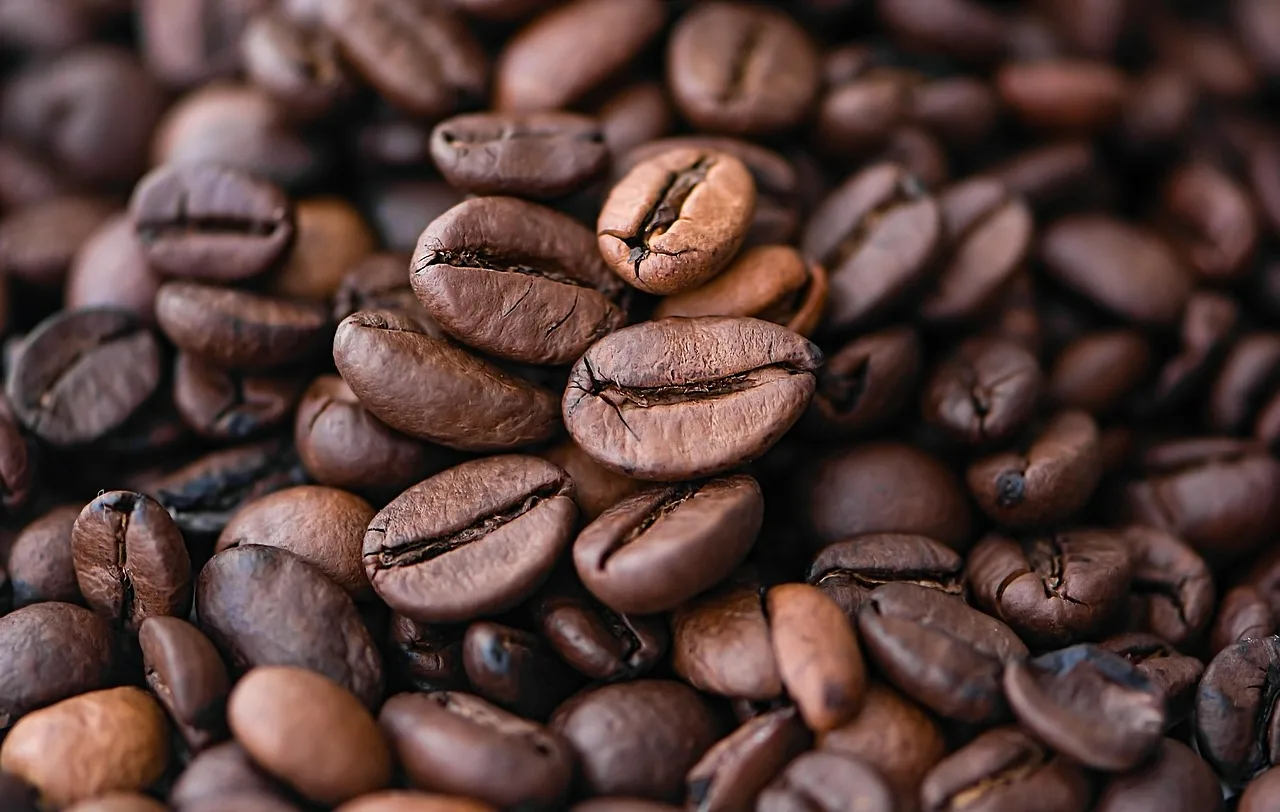
Nestlé USA has released its trend forecast for 2027, and two signals stand out for operators: a push toward zestier flavor moments and a move toward what the company calls juicier coffees.
That framing matters because of who's behind it. Nestlé is the largest food and beverage company in the world, and its U.S. trend outlook isn't a consumer magazine exercise. It's a preview of where product development, sourcing and portfolio investment are already heading — typically two to three product cycles ahead of what shows up on menus and shelves.
What does a 'trend forecast' actually change?
For restaurant and foodservice operators, the practical value is lead time. When a company of Nestlé's scale names a flavor direction, its suppliers, co-packers and beverage partners start building toward it. Operators who read the forecast early can align menu engineering — condiments, sauces, coffee programs — before the ingredients and equipment become standard issue.
The two named directions suggest distinct operational paths:
- Zestier moments point to acidity and citrus-forward flavor building, which usually means procurement shifts toward citrus, vinegars and fermented notes rather than added heat or sugar.
- Juicier coffees signal a coffee profile that emphasizes fruit-like acidity and body — a direction that starts at green-bean sourcing and roast profiles, not at the syrup station.
For operators, the second point is the more consequential one. Coffee programs are labor- and equipment-intensive, and a shift in what consumers expect from a standard cup touches bean contracts, barista training and brew specs across a chain.
Why the sourcing angle matters
Both directions tie back to ingredients rather than preparation. Zest and fruit-forward coffee are sourcing stories first. That distinction matters for cost control: flavor built at the sourcing level tends to carry steadier margins than flavor built at the point of sale, where labor and customization eat into the check.
It also matters for chains deciding between company-developed programs and supplier-led ones. A forecast like this one from Nestlé effectively tells franchise systems which ready-made ingredients — sauces, concentrates, coffee blends — will be widely available and competitively priced by 2027.
The timeline is the point
A 2027 horizon gives operators roughly a two-year runway. That's enough time to test citrus-forward items and retooled coffee offerings in limited-time offers before committing them to the core menu, and enough time for suppliers to scale the underlying ingredients.
Nestlé USA hasn't itemized the full forecast in the headline announcement, and operators will want the complete document before drawing up sourcing plans. But the direction is clear: flavor development is moving toward brightness and acidity, and coffee is being repositioned around fruitiness rather than roast intensity alone.
Expect the fuller details of the forecast to shape supplier catalogs and new-product pipelines through 2026, with the first operator-visible products landing as chains refresh their beverage and sauce programs for the 2027 cycle.
More from Olivia Hart
Show full bio
Staff writer covering regulation, policy and their impact on Restaurant and hotel operations at The Pass Brief.
432 articles