Nestlé USA's 2026 Trend Forecast: 'Weird,' 'Swangy' and 'Layered'
Nestlé USA has released its 2026 culinary outlook, organizing the year ahead into three operator-facing trend buckets: 'weird,' 'swangy' and 'layered.'
Nestlé USA has titled its 2026 trend release Cooking Up 2026: The Weird, 'Swangy' and Layered Trends Taking Over the Kitchen, grouping the year ahead into three directional buckets aimed at foodservice menu planners rather than home cooks or retail buyers.
The release, distributed through the manufacturer's foodservice industry channels, organizes 2026 around three labels—"weird," "swangy" and "layered." Each functions as a menu-engineering direction rather than a single flavor, ingredient or dish.
How operators use a three-bucket forecast
Major food manufacturers typically release annual trend outlooks well ahead of the year they forecast. That timing gives chain menu development teams a runway to negotiate supplier agreements, brief culinary R&D and lock test-kitchen calendars for the following year's limited-time-offer rotations.
For franchise systems with review windows tied to franchisee advisory councils, the early signal matters more: it determines which concepts clear the brand-standards committee and which get filtered out at the regional level before any operator spend occurs.
A three-bucket framing compresses that work. Rather than chasing isolated ingredients, operators can map purchasing contracts, recipe development and LTO calendars against the broader directions each label implies—a faster read for teams running 12- to 18-month menu planning horizons.
What each label signals at the menu line
The "swangy" descriptor, set in quotes by Nestlé in the release title, reads as a coined portmanteau. Portmanteau trend language appears throughout operator-facing forecasting—a shorthand that signals cross-category flavor platforms, typically sweet-meets-savory or sweet-meets-tangy pairings.
Operators use cross-polar work to lift dessert-and-beverage attachment rates and to justify premium pricing on small plates and limited menus where check averages have to cover higher ingredient costs.
"Weird" tracks the offbeat-ingredient movement that has driven limited-time menus across major chains for several years—unfamiliar proteins, regional ferments, global condiments and reworked vegetables. Those items typically carry higher food cost than core-menu equivalents but support premium check averages and earn social-media visibility that compounds traffic over the LTO window.
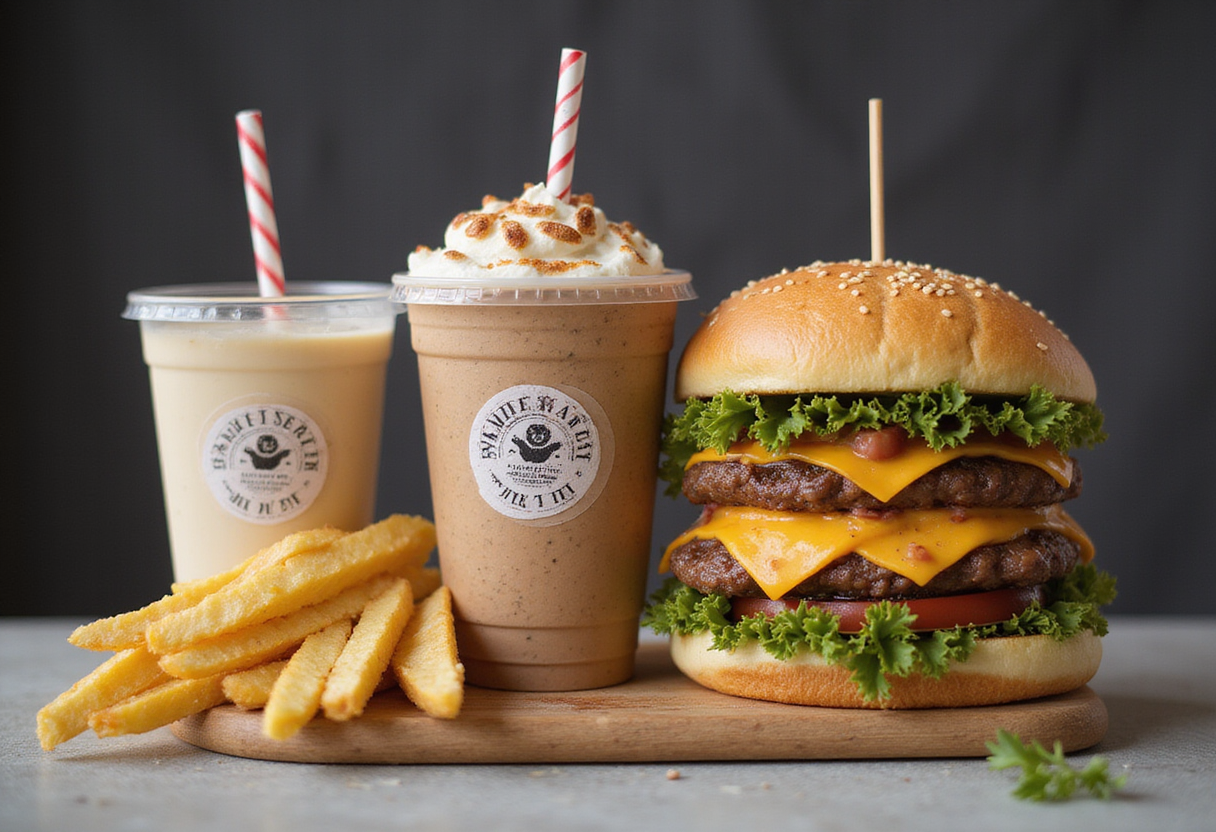
"Layered" maps to plate architecture—stacked components, sauce construction and visible depth that operators use to differentiate photography and lift social-driven traffic. Layered plating also supports ticket-builder menu construction, where the architecture itself signals margin on add-on proteins, sauces and finishing touches.
How operator teams weigh these forecasts
For multi-unit menu development, manufacturer trend releases are inputs alongside first-party sales data, loyalty analytics and in-house culinary R&D. Operators score each directional bucket against brand positioning, regional mix and existing supplier agreements before any item reaches a test kitchen, and against item-level food cost before it reaches a chain menu.
The three buckets named here map cleanly onto standard operator workstreams. Sourcing teams track the unfamiliar-ingredient line and pre-qualify suppliers for fermented and regionally sourced items. R&D staffs the cross-polar flavor platform and develops the sauce and dessert bases that drive attachment. Culinary leadership briefs the architectural plating format and trains operators on the component stacks that photograph and build tickets.
Manufacturers also use these releases to telegraph where their own product innovation investment is heading. That matters for chains whose supplier contracts run on multi-year terms, and for operators whose private-label and co-manufactured SKUs depend on knowing what the supplier pipeline looks like 18 to 24 months out.
The forward read
Nestlé USA's labeling choice places vocabulary ahead of items. Operators reading the release should expect "weird," "swangy" and "layered" to surface in R&D briefs, supplier negotiations and LTO naming conventions as 2026 menus take shape—rather than arriving as a finalized list of menu additions.
More from Rebecca Stone
Show full bio
Senior reporter covering media and advertising at The Pass Brief.
237 articles