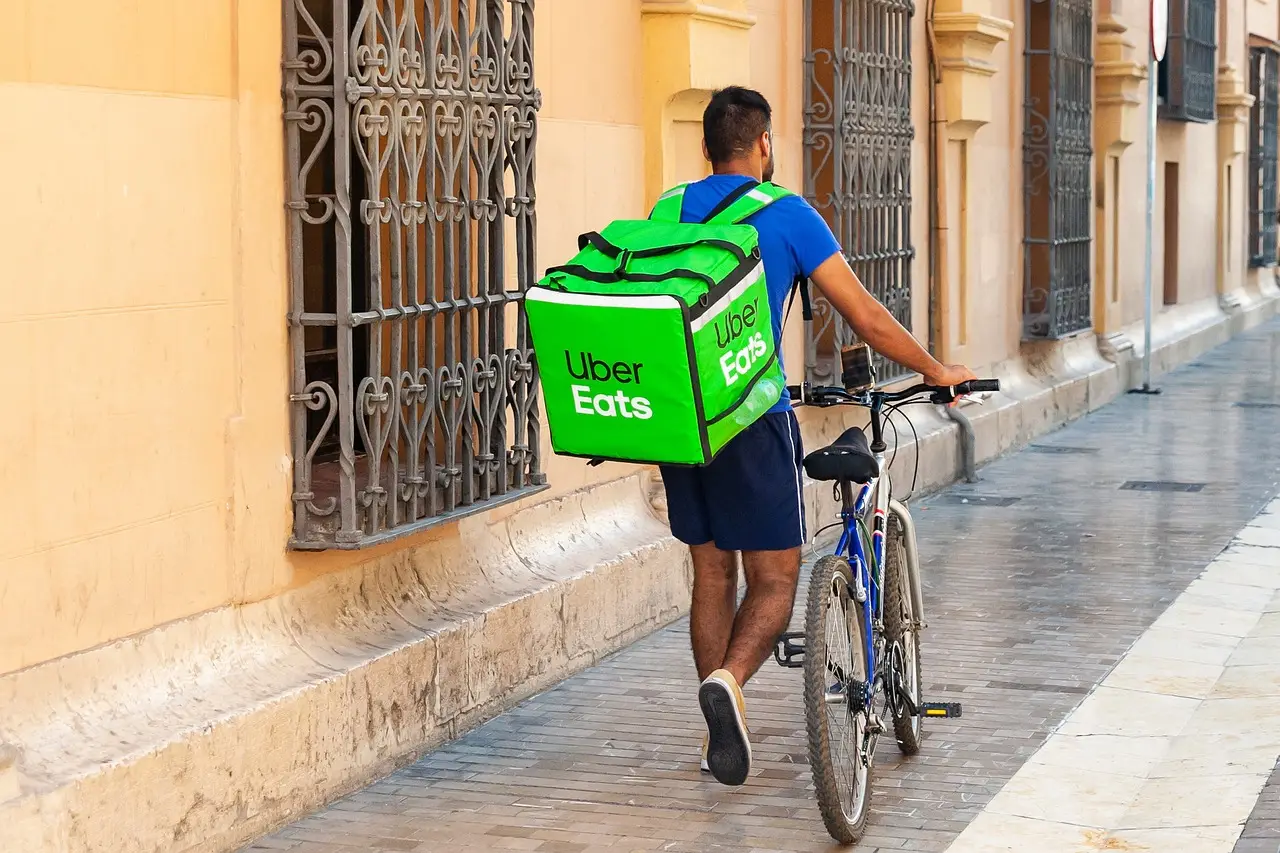
DoorDash Denies FTC Surveillance Pricing Claim: "We Don't Do It"
DoorDash told the FTC it has never used surveillance or personalized pricing, promising identical prices for simultaneous orders and no demand-based fee spikes. Instacart dropped AI price tests earlier this year.
DoorDash has publicly rejected the Federal Trade Commission's personalized pricing inquiry, stating this week that it does not and has never used surveillance pricing or personalized pricing practices.
The FTC launched its investigation in October into nine major American companies — DoorDash, Instacart, Uber, Lyft, Delta, United Airlines, JetBlue, Target, and Walmart — to determine how each uses consumer data to set digital prices. DoorDash is now the first delivery platform to answer the inquiry with a detailed public defense.
"Prices on DoorDash are not personalized and are never based on protected characteristics like race, religion, gender, or age, nor are they based on the type of phone a consumer uses," the company said in a statement.
What does DoorDash promise, exactly?
The third-party delivery operator laid out four concrete commitments to customers:
- Two customers ordering from the same vendor at the same time see the same item price.
- Item prices and app fees do not change in real time based on demand spikes, though DoorDash may add a fee — disclosed in advance — during bad weather to support its drivers, called Dashers.
- Order history and frequency are never used to raise prices based on what a consumer might be willing to pay.
- All taxes, tips, and fees are shown before and during checkout.
Where DoorDash draws the line
The company distinguished between surveillance pricing and loyalty pricing — a key distinction as government scrutiny of algorithmic pricing intensifies. DoorDash framed the difference through a direct example: "If you order a lot of soda on DoorDash, we won't increase the price of a 12-pack because we think you'll pay more. In fact, we might offer you a discount on a new soda we think you'll like."
Loyalty pricing remains central to the platform's marketing. DoorDash said it may offer deals to first-time customers or lapsed users, and may suggest restaurants based on past cuisine orders — with a deal attached to try them. "These deals are for a limited time and based off the same list price that every consumer sees when ordering from the same store at the same time," the company said.
Who else is under scrutiny?
DoorDash is not the only delivery company facing federal pressure over AI-driven dynamic pricing. Instacart abandoned its A/B item price tests, which used AI-powered pricing technology, earlier this year following pressure from both the FTC and New York Attorney General Letitia James. Instacart also denied using surveillance pricing after the inquiry, stating it "does not use personal information to set prices and never will."
Delta and JetBlue similarly denied personalized pricing practices. Uber and Lyft have not yet publicly responded.
For restaurant operators who list on third-party platforms, the outcome of the FTC inquiry matters directly: pricing transparency rules could reshape how delivery apps display menu prices, fees, and demand-based surcharges. With Instacart's AI price testing already shelved, further federal action against algorithmic pricing appears increasingly likely.
More from Elena Vasquez
Show full bio
News editor covering people, launches and day-to-day practice in Restaurant and hotel operations at The Pass Brief.
819 articles