DoorDash Nears $17 Billion Instacart Deal, WSJ Reports
DoorDash is in advanced talks to buy Instacart for a reported $17 billion, a deal that could close this week and reshape grocery delivery against Walmart and Amazon.

DoorDash is in advanced talks to buy Instacart at a potential valuation of $17 billion, the Wall Street Journal reported Monday, citing people familiar with the matter. A deal could be finalized as soon as this week. There are no guarantees a sale happens.
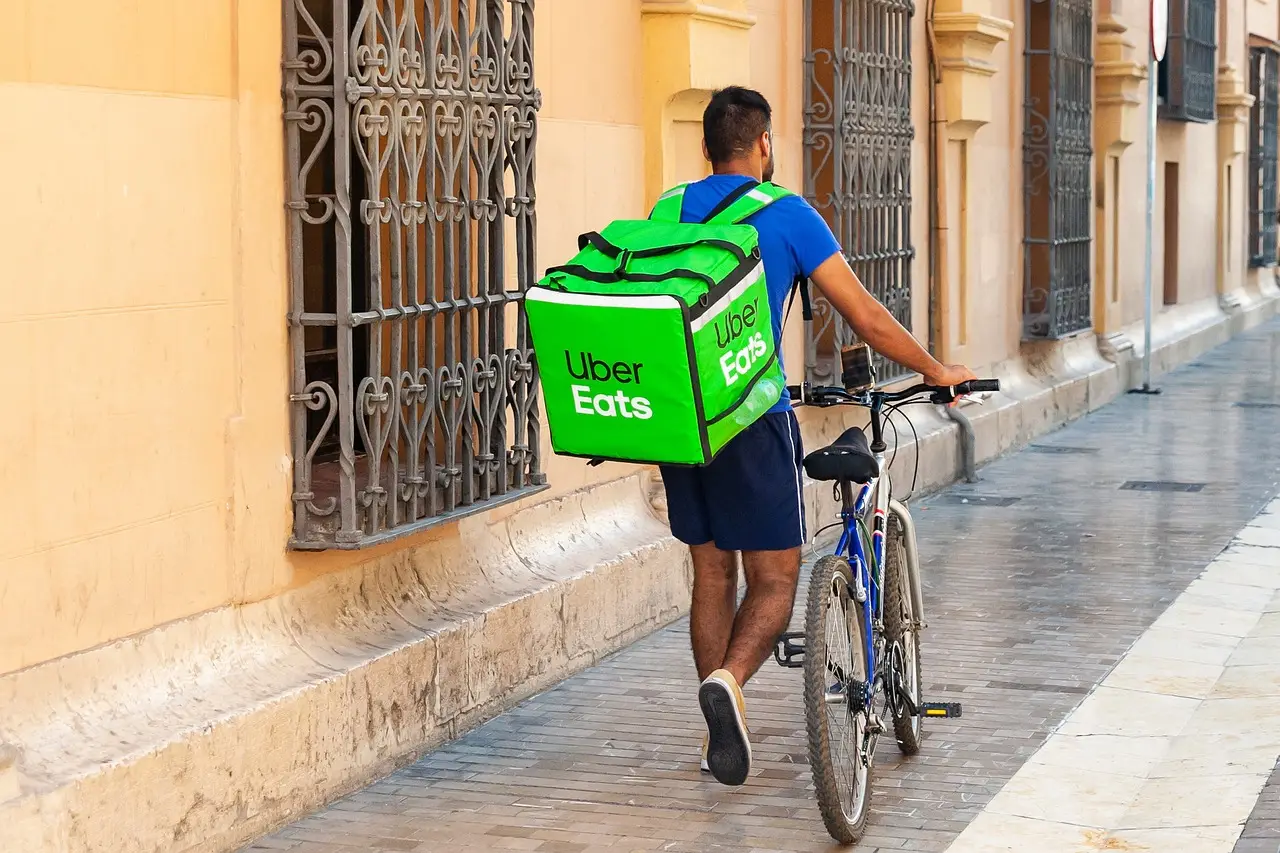
The combination would merge the two largest players in U.S. food and grocery delivery and hand DoorDash a dominant position in third-party grocery. An Instacart spokesperson declined to comment. DoorDash had not responded to a request for comment by publication time.
Why does DoorDash want Instacart?
DoorDash started as a restaurant delivery app. It has since pushed hard into grocery and retail, leveraging its courier network to deliver for Albertsons, Kroger and other major chains. In February, the company said it was the largest grocery and retail delivery app in the country by order volume last year. Its marketplace now lists more than 200,000 grocery and retail stores.
Instacart remains the incumbent in third-party grocery. It works with more than 2,200 grocery store brands across roughly 100,000 stores. But it is the smaller business overall: $3.75 billion in revenue last year against DoorDash's $13.72 billion.
The revenue gap is not the story. The share-shift data is. According to Consumer Edge credit and debit card spending figures, DoorDash's share of spending across major delivery apps rose from 44% in Q2 2021 to 59% in Q3 2026, while Uber Eats climbed from 16% to 18%. Instacart fell from 26% to 18% over the same period. Those figures cover all delivery categories, not just groceries.
"These trends partly reflect the expansion of DoorDash and Uber Eats into grocery, convenience and other retail categories, increasingly competing in areas historically associated with Instacart," said Michael Gunther, SVP of research and market intelligence at Consumer Edge, in a statement.
Instacart stock surged on the deal reports. DoorDash and Uber shares slumped. The market, at least, believes the talks are real. Reports from The Information and Bloomberg in recent days said Instacart was weighing a sale, with Uber named as another interested party.
What would the deal change?
On the Consumer Edge data, acquiring Instacart would sharply increase DoorDash's share of grocery delivery and put it in closer competition with Walmart and Amazon, the two leaders in the category.
It would also mark DoorDash's third major acquisition in two years, following its purchases of U.K.-based delivery app Deliveroo and the SevenRooms reservation platform last year. Neither comes close to this price. The pattern is consistent: buy the marketplace, own the diner relationship and the grocery basket alike.
For operators, the deeper implication is concentration. Since 2018, DoorDash and Uber have absorbed a string of smaller U.S. rivals, including Caviar, Postmates, alcohol delivery service Drizly, and the international platforms Wolt and Getir. Uber also has a pending deal for European giant Delivery Hero, and earlier this month it announced a $2.3 billion all-cash purchase of ezCater, the workplace catering marketplace.
That leaves restaurants and grocers negotiating commission structures with an ever-shorter list of gatekeepers. A combined DoorDash-Incart entity controlling the leading grocery marketplace plus the top restaurant app would hold unusual leverage over both supplier groups. Neither company reports segment-level grocery economics, so the margin math stays opaque for now.
Is consolidation done?
Probably not. Uber remains a buyer, and its interest in Instacart suggests it wants grocery scale of its own. If DoorDash closes this deal first, the rational response from Uber is another grocery-adjacent purchase, and the field of independent delivery platforms shrinks again. Regulators have so far let this consolidation run; whether a $17 billion grocery-plus-restaurant combination draws a second look is the open question for the week ahead.
More from Rebecca Stone
Show full bio
Senior reporter covering technology and product news in Restaurant and hotel operations at The Pass Brief.
556 articles