New Delivery Platform Bets on Zero Menu Markups to Crack DoorDash, Uber Eats
A new food delivery service is challenging DoorDash and Uber Eats with a zero-markup promise: app prices that match restaurant menu prices exactly.
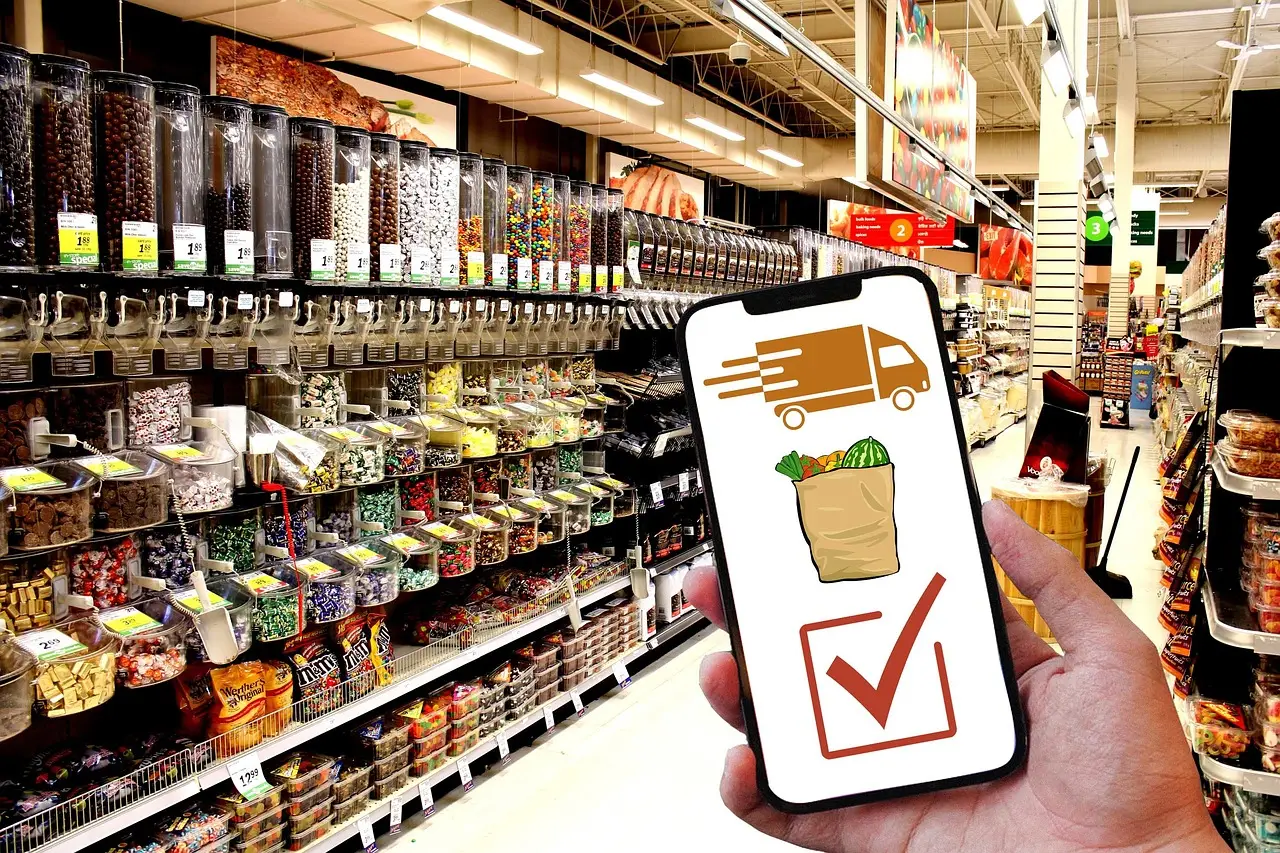
A new food delivery service is entering the market with one differentiator aimed directly at the economics of DoorDash and Uber Eats: no menu markups, according to a Business Insider report.
The pitch is simple and operator-relevant. On the major third-party platforms, customers routinely see delivery prices set above in-store menu prices, a practice that covers platform fees and commissions. The new entrant is promising that the price a diner sees in the app matches the price the restaurant prints on its menu.
What does this change for restaurants?
For operators, the markup question sits at the center of the delivery-margin debate. When platforms raise menu prices, diners often blame the restaurant for the gap. A zero-markup model shifts that friction — and, depending on how the service structures its fees on the back end, could change what operators pay to appear in the app at all.
Business Insider does not detail the new service's commission structure, funding, or launch markets in the report, so the open question for operators is whether zero markups mean lower total take rates or simply fees moved elsewhere in the transaction.
Why the incumbents are vulnerable on price
DoorDash and Uber Eats dominate US restaurant delivery, and both have trained consumers to expect delivery prices above counter prices. That expectation has become a persistent source of customer friction — negative reviews citing "higher prices" often trace back to platform pricing rather than anything the operator controls.
A challenger that guarantees price parity removes one of the most visible points of comparison. Whether that advantage holds depends on scale: delivery economics run on driver supply, order density, and restaurant coverage, all areas where the incumbents hold structural leads.
The pricing question operators will ask first
Restaurants weighing another delivery partner typically run three checks:
- What is the commission or take rate per order?
- Who absorbs the delivery fee — the diner, the restaurant, or the platform?
- Does the platform control menu pricing, or does the operator?
The zero-markup promise speaks directly to the third question. The first two remain unanswered in the report.
For now, the story is a positioning play rather than a market shift. But if the new service can hold price parity while scaling into major metros, it gives operators a concrete answer to customers who ask why the same burrito costs more in the app — and that conversation, repeated across thousands of counters, is where delivery loyalty gets decided.
More from Elena Vasquez
Show full bio
News editor covering people, launches and day-to-day practice in Restaurant and hotel operations at The Pass Brief.
553 articles