Laxmi Foods Recalls 'Wheat Free' Flour in Ontario That Contains Wheat
Laxmi Foods is recalling Paras Wheat Free Flour in Ontario after undeclared wheat was found in the product. Two package sizes are affected; no allergic reactions have been reported so far.

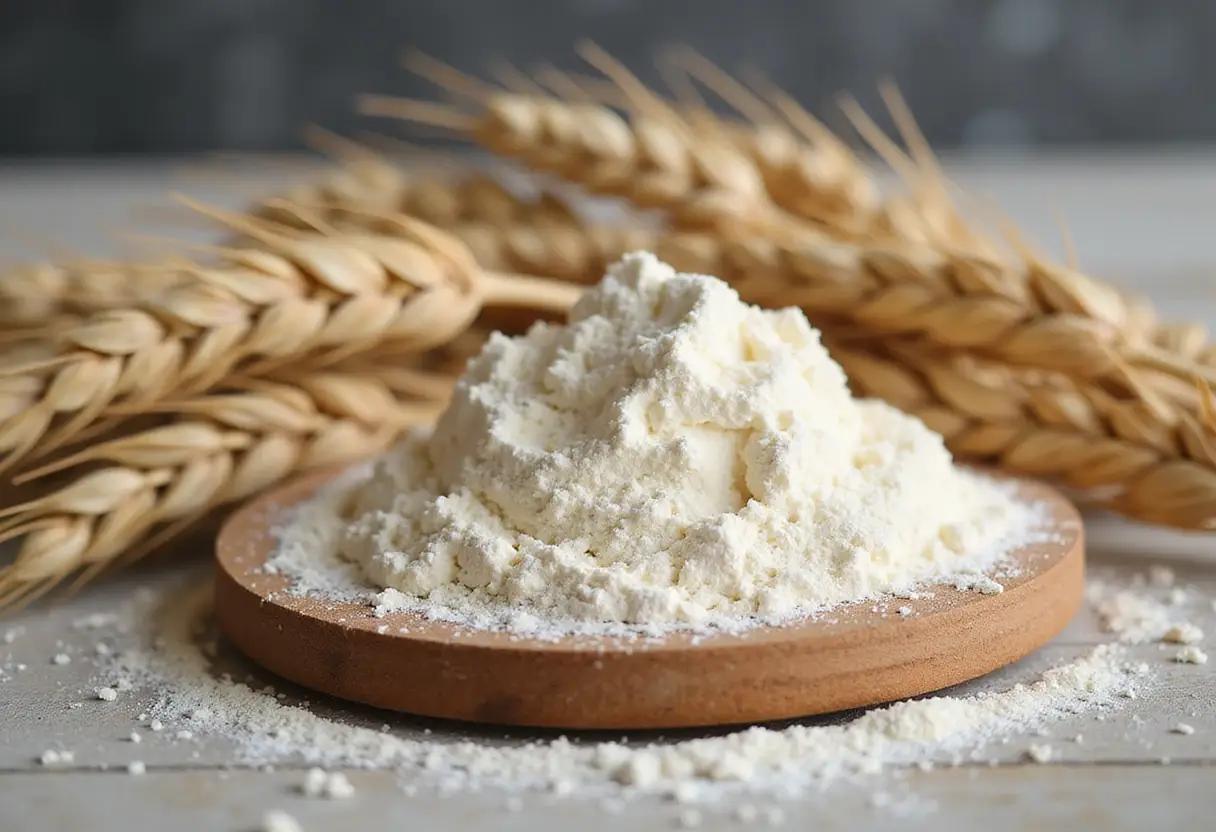
Laxmi Foods is recalling its Paras Wheat Free Flour in Ontario because the product actually contains wheat — a major allergen missing from the label. For anyone with a wheat allergy or celiac disease, that's not a labeling technicality. It's the difference between a safe pantry staple and a potential serious reaction.
The recalling firm, Laxmi Foods, has received no reports of illness or allergic reactions connected to the flour to date, according to the recall notice. That's the good news, and it's worth stating up front: the recall looks precautionary rather than reactive.
Two products are covered. Both carry the same lot code.
- Paras Wheat Free Flour, 800-gram package — UPC 8 42388 00071 1, code SZ26040028
- Paras Wheat Free Flour, 4-pound container — UPC 8 42388 00106 0, code SZ26040028
The flour was sold at the retail level in the province of Ontario. Additional product photographs are posted on the Canadian Food Inspection Agency's website, which is the standard reference point for verifying a suspect package before acting on it.
Why an undeclared allergen triggers a recall
Canada requires major food allergens, wheat among them, to be declared on product labels. A "wheat free" claim that fails on both counts — the undeclared presence and the misleading name — puts the product squarely in recall territory under CFIA oversight.
The distinction matters for consumers and for the firm. Celiac disease and wheat allergy are not the same condition, but both populations are exposed here. A person with celiac disease eating this flour faces an autoimmune reaction, not merely digestive discomfort. Someone with a true wheat allergy risks a potentially severe allergic response. The recall notice flags both groups explicitly.
What should shoppers do with the flour?
If you bought either package and cannot consume wheat for any reason, don't eat it. The notice lays out two disposal paths: throw it away in a secure trash can — double bagging it first so other people can't see and retrieve it — or return it to the store of purchase for a full refund.
The double-bagging instruction is deliberate. Recalled allergen products pulled from home pantries can end up scavenged if discarded in plain sight, extending the exposure risk well beyond the original buyer.
For retailers in Ontario, the practical steps are shelf-level: pull both SKUs, verify against the UPC and lot code, and route consumer refunds without requiring proof of purchase beyond the product itself. The 800 g and 4 lb formats mean the recall touches both single-household and bulk-buyer segments of the brand's customer base.
No illnesses reported to date doesn't mean the risk is closed out. Reaction reports often lag purchases by days or weeks, and consumers who may have already used the flour won't connect symptoms to a pantry staple unless they check the recall list. Expect the CFIA's posting to remain the authoritative channel for any expansion of scope, additional lot codes, or updated illness reports as the recall runs its course.
More from Daniel Okafor
Show full bio
Correspondent covering companies, deals and strategy in Restaurant and hotel operations at The Pass Brief.
761 articles