T&T Organic Roasted Black Soybeans Recalled in Canada Over Undeclared Milk
Uncle T Food recalls T&T Organic Roasted Black Soybeans in four provinces over undeclared milk; 300 g jars with 2027 date codes carry UPC 7 76703 33812 1.

Uncle T Food is recalling T&T Organic Roasted Black Soybeans across four Canadian provinces because the product may contain milk that the label doesn't declare — a serious risk for anyone with a milk-protein allergy or lactose intolerance.
The recall, posted by the Canadian Food Inspection Agency, covers product sold at retail in Alberta, British Columbia, Ontario and Quebec. So far, the company has received no reports of allergic reactions or illnesses tied to the soybeans. That clean record is the recall's quiet good news. The bad news is what an undeclared allergen means on a shelf-stable grocery item: consumers had no way to know.
What exactly is being recalled?
The product comes in one format, and the identifiers are specific:
- Product: T&T Organic Roasted Black Soybeans
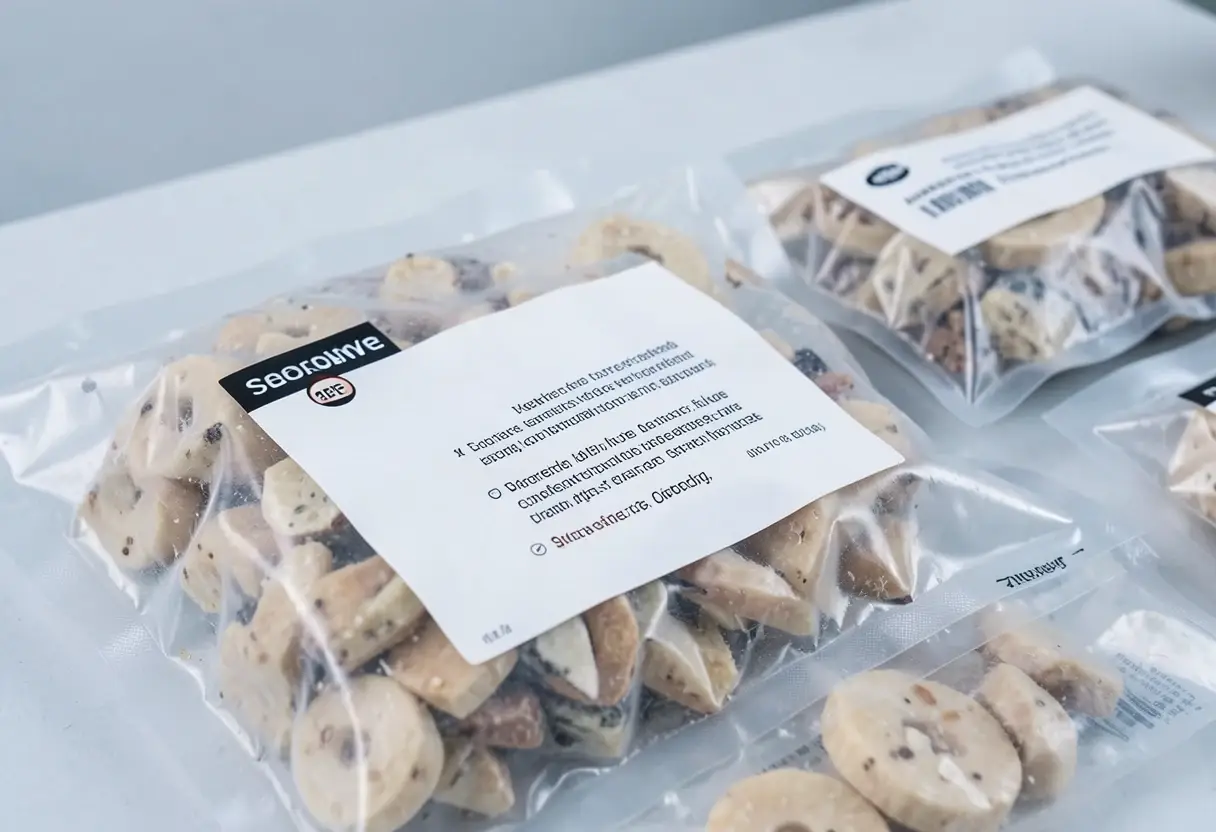
- Package: 300 gram clear plastic jar with a gold lid; front label shows a product photo with a light green banner and printing
- UPC: 7 76703 33812 1
- Date codes (which are also expiration dates): 2027JA26, 2027JN09 and 2027JN10
Those long shelf dates matter. Because the soybeans carry expiry codes running into 2027, jars bought weeks or months ago may still be sitting in pantries. A recall on a short-dated fresh item clears the supply chain fast. A 2027-dated jar doesn't.
The CFIA's website carries additional photos of the recalled item to help consumers and retailers match stock against the notice.
What does this change for consumers?
Milk is one of the major food allergens, and Canadian labeling rules require it to be declared on the package. When it isn't, people who avoid milk — whether for allergy or lactose intolerance — lose the one tool they rely on: the ingredient list. For a milk-allergic shopper, eating an undeclared-milk product can trigger a serious reaction.
The practical guidance is straightforward. If you bought this product and cannot consume milk for any reason, don't eat it. You have two options:
- Discard it — wrap or double-bag the jar first, then place it in a secure garbage can with a tight-fitting lid so others can't see and retrieve the product
- Return it to the store where you bought it for a full refund
The double-bagging instruction isn't bureaucratic padding. It's standard allergen-recall practice designed to keep recalled food out of the hands of anyone who might not have seen the notice — dumpster diving and curbside scavenging being real vectors for recalled product reaching a vulnerable person.
Why undeclared allergens keep driving recalls
Undeclared allergens remain among the most common triggers of food recalls in North America, and they typically point back to supply-chain or labeling breakdowns rather than the food itself being unsafe for the general public. In this case the soybeans — a product many milk-allergic consumers would reasonably assume is dairy-free — may have picked up milk somewhere in production or handling, and the label never caught it.
With no illnesses reported to date and the CFIA notice now live, the immediate priority is getting the three date-coded jars off shelves and out of pantries before that statistic changes.
More from Daniel Okafor
Show full bio
Correspondent covering companies, deals and strategy in Restaurant and hotel operations at The Pass Brief.
643 articles