Sesame Undeclared: Sunchanggung 990 Ssamjang Pulled in Canada
Canada's CFIA has recalled Sunchanggung 990 Ssamjang sold in Alberta and BC for undeclared sesame; no reactions reported, refunds offered.
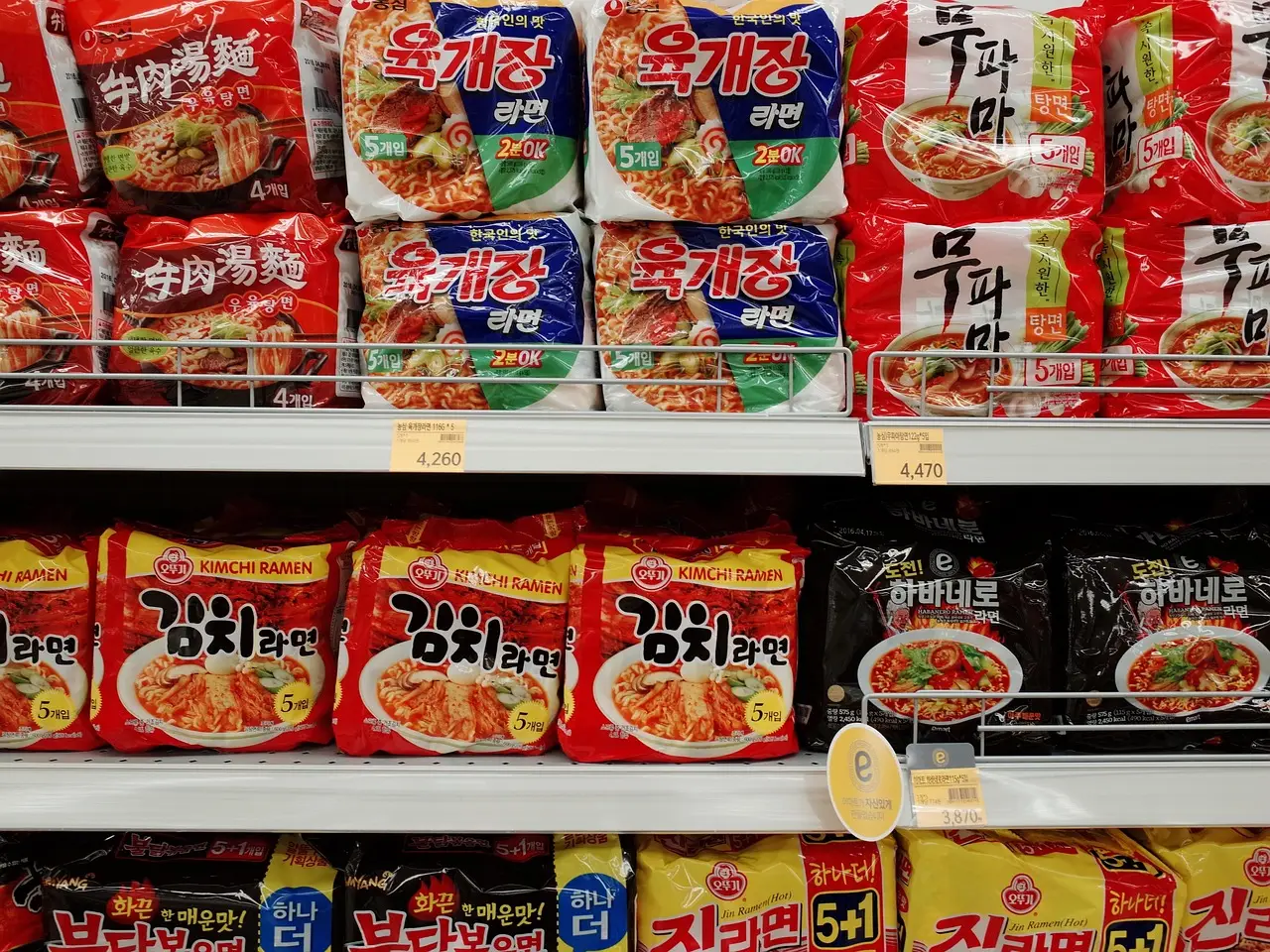
The Canadian Food Inspection Agency has recalled Sunchanggung 990 Ssamjang, a seasoned soybean paste, because the product contains sesame seeds that the label does not declare. Sesame is one of Canada's major food allergens. For anyone with a sesame allergy, a single serving could trigger a serious reaction.
The recalling firm is HYMS Trading Ltd. The product reached shelves at the retail level in two provinces: Alberta and British Columbia. That's the scope of the recall, and it's the first thing shoppers in those markets need to check.
So far, the human cost appears contained. No adverse reactions have been reported to the company to date in connection with consumption of the paste. In recall terms, that means the action is preventive rather than reactive, catching a labeling failure before it produces illnesses.
What exactly is being recalled?
The affected item is:
- Product: Sunchanggung 990 Ssamjang (Seasoned Soybean Paste)
- Package: 170-gram plastic container with a green lid
- UPC: 8 801039 008478
- Codes: All codes where sesame is not declared on the label are included
That last point matters. This is not a recall limited to a specific lot or best-before date. Every unit of this product whose label fails to declare sesame falls under the action, which broadens the number of containers shoppers should treat as suspect.
Additional images of the recalled product are posted on the Canadian Food Inspection Agency's website, so consumers and retailers can verify the exact label and packaging before deciding what to do with stock on hand.
What should you do with the product?
The practical question is simple: what does this change for someone who already bought the paste? If you're allergic or sensitive to sesame, don't eat it. There are two sanctioned disposal routes.
You can throw it away, but not loosely. The guidance calls for double bagging or wrapping the container first, then placing it in a secure trash can with a tight-fitting lid so other people can't see it and won't be tempted to retrieve it. That step exists because recalled allergen products retrieved from trash have caused reactions in past food-safety incidents.
The alternative is returning the container to the store where it was purchased for a full refund. That refund route applies to affected buyers in Alberta and British Columbia, the two provinces where the item was sold.
Why undeclared sesame draws this response
Sesame sits on Canada's list of major allergens, the category that requires explicit declaration on packaged food labels. When an allergen is present in the product but missing from the label, the labeling failure itself is the violation, regardless of whether anyone has gotten sick.
The absence of reported reactions so far doesn't shorten the recall's reach, and it doesn't end the recall either. Verification of the recall's effectiveness, the standard follow-up step for CFIA actions, determines when the file closes.
For now, the operational instruction stands: check the UPC, check the label, and pull the green-lidded 170-gram containers from shelves, pantries and restaurant storage in Alberta and British Columbia until the CFIA signals the recall is complete.
More from Daniel Okafor
Show full bio
Correspondent covering companies, deals and strategy in Restaurant and hotel operations at The Pass Brief.
636 articles