Tokyo Police Raid Ameyoko Restaurant That Ignored 101 Warnings
Tokyo police seized 19 pieces of outdoor seating from Tori Gekijo in Ameyoko after 101 ignored warnings, part of a sweep that has produced 2,500-plus citations since December.
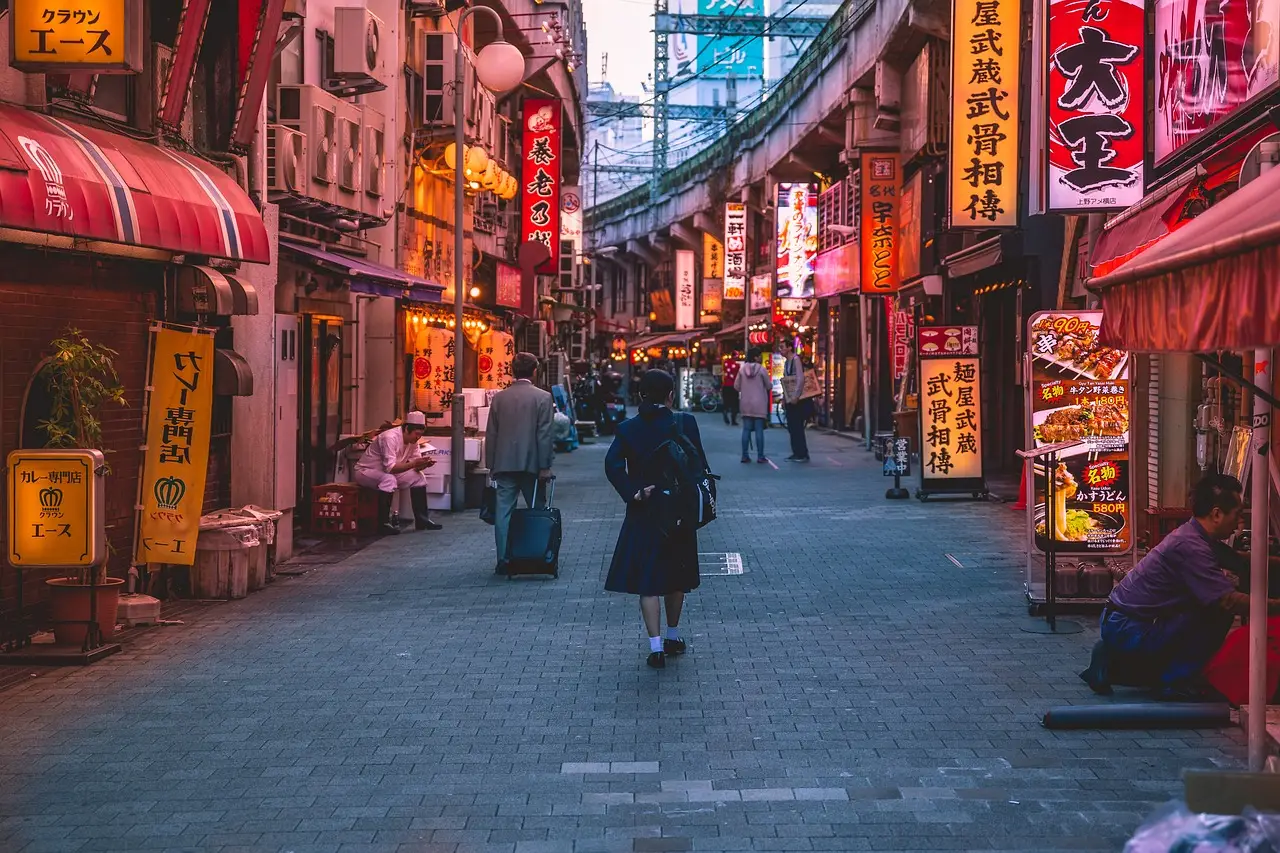
Tokyo Metropolitan Police raided a restaurant in Ueno's Ameyoko market on Saturday after the operator ignored 101 separate warnings over illegal street seating — then hit 11 neighboring eateries with on-the-spot citations in the same sweep.
Officers searched Tori Gekijo, an eatery in the Taito Ward market district, on suspicion of violating the Road Traffic Act. They seized 19 items used to seat diners on public streets: tables, chairs and signboards. The case, first reported by TBS News on Nov. 7, is the escalation point in a district-wide standoff over sidewalk commerce.
How did it get to a raid?
The mechanism here is administrative, not culinary. Japanese regulators typically work through "administrative guidance" — informal warnings designed to push operators into compliance without formal charges. Tori Gekijo received that guidance 101 times since late December of last year, according to police, and kept setting out tables anyway.
When warnings fail, police move to search and seizure. That's what Saturday evening's raid represents: the shift from paperwork to enforcement, triggered by an operator that treated the warnings as cost-free.
What does this change for Ameyoko operators?
The raid didn't stop at one business. During Monday's follow-up, police issued on-the-spot warnings to 11 nearby eateries running unauthorized street-side tables. That's a signal to every operator in the market that the tolerance window has closed.
The economics explain the defiance. Ameyoko is one of Tokyo's densest foot-traffic corridors, and outdoor seating effectively adds covers without adding rent. For a small operator, a few sidewalk tables can meaningfully lift revenue — as long as nobody enforces the rules. The cost-benefit flips when seizure and prosecution enter the picture.
The complaint volume gives the enforcement its scale. Residents and passersby flooded the 110 emergency hotline with reports of blocked walkways and neighborhood nuisances, pushing police to act. Between December last year and the end of September, the Metropolitan Police Department issued more than 2,500 warnings to Ameyoko businesses over unauthorized road occupation — an average of roughly eight warnings per business if spread across the market's roughly 300 shops, and a pace of about 280 per month.
Police frame the issue as safety, not commerce. Unauthorized occupation impedes pedestrians and can block emergency vehicles from passing through the narrow market lanes.
"We ask for the public's cooperation in creating a safe road environment where both pedestrians and vehicles can pass without obstruction," a police spokesperson said.
What comes next
The 11 fresh warnings suggest police intend to keep pressure on the whole district rather than treat Tori Gekijo as a one-off prosecution. Operators who built summer revenue on street seating now face a choice: formalize arrangements where possible, or reckon with seizure the way Tori Gekijo finally did after warning No. 101.
More from Olivia Hart
Show full bio
Staff writer covering regulation, policy and their impact on Restaurant and hotel operations at The Pass Brief.
627 articles