USDA Alerts on Betterballen Frozen Snacks Over Hidden Sesame and Fish
FSIS issued a public health alert — not a recall — for Betterballen frozen snacks with undeclared sesame and fish, sold online nationwide and at a Greer, SC market.
The USDA's Food Safety and Inspection Service has issued a public health alert for frozen, not-ready-to-eat meat and poultry products sold under the Betterballen brand, after a routine label review found two undeclared allergens: sesame in all three affected products, and anchovy-derived fish — carried in Worcestershire sauce — in the beef item.
No recall was requested. The reason is simple: the products are no longer available for purchase. But FSIS is concerned packages may still be sitting in consumers' refrigerators and freezers, and the agency is urging anyone who bought them to throw them away or return them to the place of purchase.
Which products are covered?
All three items were produced on Oct. 15, Oct. 16 and Oct. 27, packed in clear vacuum-sealed wrappers, and carry a "BEST BY" date of October 2027:
- 6-piece "Bami Rolls," lot codes BR-2026-01 and BR-2026-02
- 10-piece "Saté Kroketten," lot code SK-1026-01
- 12-piece "Bitterballen," lot code BB-1026-01
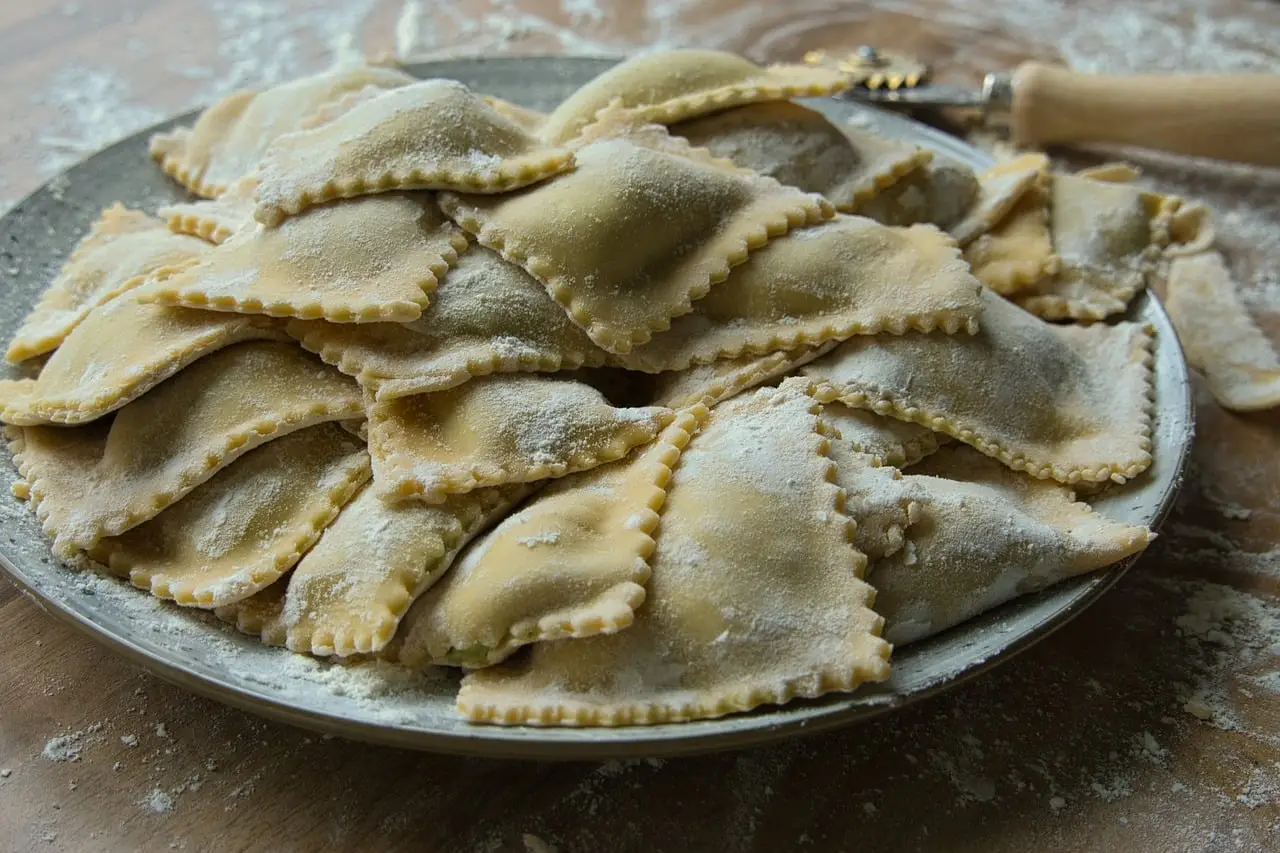
Each package carries the establishment number "EST. M3177" or "EST. P3177" printed inside the USDA mark of inspection. The Dutch-style snack line — bitterballen, kroketten, bami rolls — was distributed by Lowlands House through internet sales nationwide, and may have also been sold at a festival and farmers market in Greer, South Carolina.
The problem surfaced not through illness reports but through FSIS's own routine label review, a checkpoint that catches misbranding before consumers do. There have been no confirmed reports of adverse reactions tied to eating these products. Anyone concerned about a reaction, the agency advises, should contact a health care provider.
What does this change for operators and consumers?
For consumers, the practical task is a freezer check: three specific lot codes, one best-by date, and an inspection number inside the USDA seal. For small food businesses selling online or at markets, it's a reminder that allergen labeling — sesame in particular, a major allergen requiring declaration — draws federal scrutiny even for frozen, not-ready-to-eat items sold in limited channels.
Sesame has been a required declaration on packaged foods since the federal FASTER Act took effect, and anchovy-containing Worcestershire sauce in a beef filling is exactly the kind of hidden ingredient label reviews exist to catch. With the product already out of commerce, the alert now rests on the last mile: whether consumers find the lots before they cook them.
More from Daniel Okafor
Show full bio
Correspondent covering companies, deals and strategy in Restaurant and hotel operations at The Pass Brief.
612 articles