Tourism Sector Arrives at COP31 Demanding Emissions Proof, Not Pledges
Tourism executives arrive at COP31 in Antalya demanding falling emissions and common metrics, as the Glasgow Declaration's 900-plus signatories await revised guidelines.
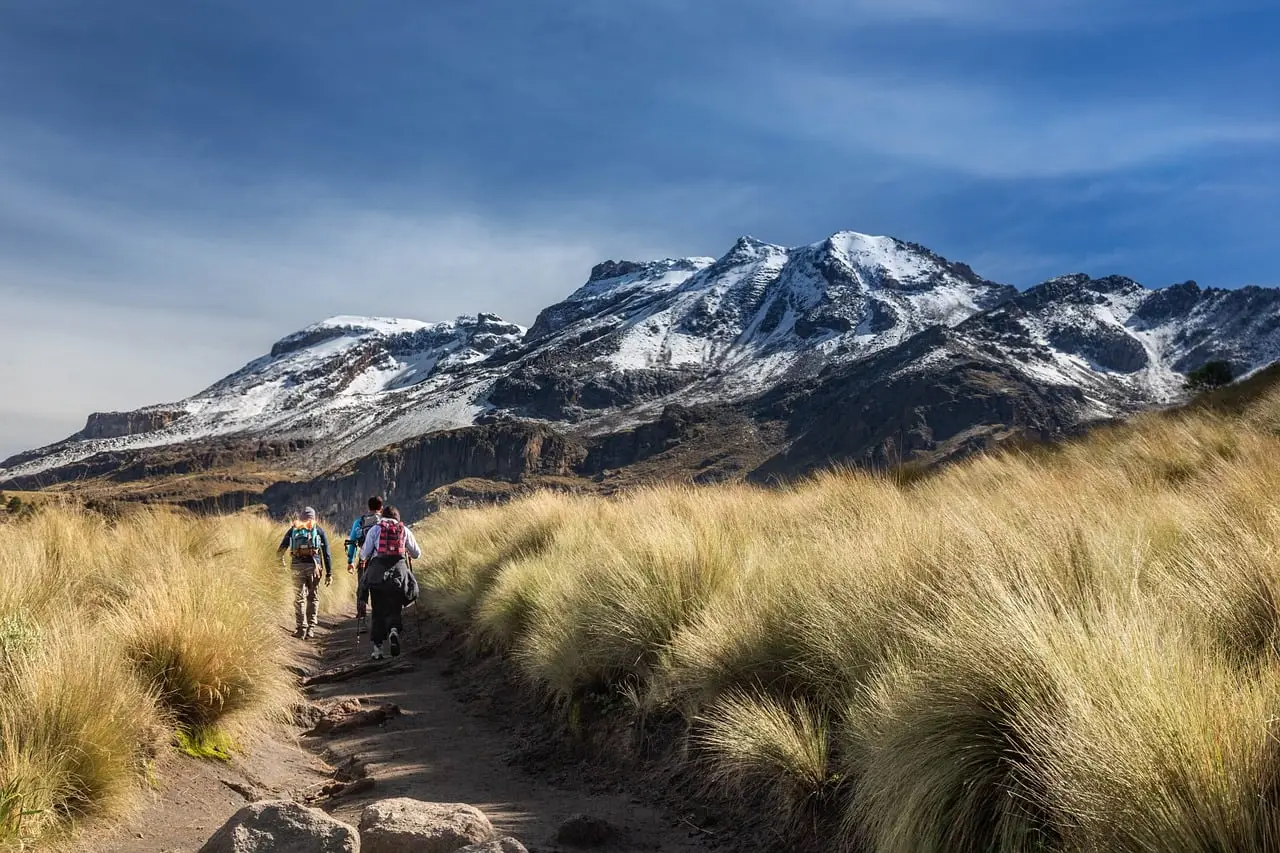
COP31 opens in Antalya, Türkiye, on November 9 and runs through November 20, and the tourism sector arrives with one demand: measurable outcomes instead of new commitments. The United Nations climate conference, co-hosted with Australia, is billed as the implementation COP after parties failed to agree on a path forward last year in Belém, Brazil.
Tourism holds a thematic slot on November 18 for the third consecutive year. This time it sits inside a day dedicated to human and social development.
What do operators actually want?
Sustainability executives at three major travel groups told Skift they want receipts, not roadmaps. Their priorities are concrete:
- Emissions falling, not targets rising
- Electrification of operations
- Adaptation and loss-and-damage funding
- Consistent measurement standards
Intrepid's Susanne Etti framed the ask bluntly. The sector needs electrification and falling emissions, she said, not more commitments, targets, or frameworks. She added that resilience, adaptation, and loss-and-damage funding have become more urgent after a year marked by extreme heat, wildfires, and flooding.
Booking Holdings' Danielle D'Silva said the industry can do more on both adaptation and emissions reductions. She did not specify what that would require in cost or operational terms.
Why does measurement remain the sticking point?
Radisson Hotel Group's Sven Wiltink identified inconsistent measurement of emissions, water, energy, and waste as the sector's core barrier. Without common metrics, he argued, "comparisons are meaningless and claims remain unverifiable."
That is a verifiability problem, not a marketing problem. Operators cannot prove progress to investors, regulators, or each other when every company counts its own footprint differently. Wiltink's point cuts both ways: it excuses slow movers and penalizes rigorous ones, because a verified reduction and an unaudited estimate carry equal weight in the absence of shared standards.
What happened to the Glasgow Declaration?
COP31 marks five years since the Glasgow Declaration on Climate Action in Tourism drew more than 900 signatories. The industry has plenty of climate commitments but little shared proof of what they have achieved, and it remains split on whether better measurement or faster action should come first.
Revised operational guidelines for the Declaration land at COP31. Co-author Jeremy Smith said the aim is to lower the measurement and reporting burden and to widen participation by bringing in companies that previously stayed out.
The promise carries a caveat. Reducing the reporting burden helps small operators who lack sustainability teams, but lighter reporting can also produce thinner data. Smith did not say how the revised guidelines reconcile that trade-off.
What did the Brazilian presidency deliver?
The COP30 presidency in Brazil had promised to publish plans for moving away from fossil fuels and protecting forests before the next round of talks. The voluntary roadmaps, released Tuesday, are designed to help policymakers implement existing climate commitments through national policies, investments, and measurable results. They should also signal some of the focus areas for the Antalya negotiations.
Roadmaps of this kind are advisory. Nothing in the published plans binds signatories to specific tourism-sector targets, and the voluntary nature of the Glasgow Declaration suggests participation alone has not guaranteed results over the past five years.
The sector's position going into Antalya is now explicit. Whether the implementation COP produces verifiable progress or another round of pledges will depend on what the parties agree by November 20, and on whether the revised guidelines finally deliver the common metrics that Radisson, Intrepid, and Booking Holdings say the industry cannot verify claims without.
More from Marcus Bennett
Show full bio
Market editor covering technology and product news in Restaurant and hotel operations at The Pass Brief.
640 articles