USDA Issues Health Alert for Betterballen Foods Products Over Undeclared Allergens
USDA issued a health alert for Betterballen Foods frozen snacks with undeclared sesame and fish allergens. Sold online nationwide via Lowlands House.
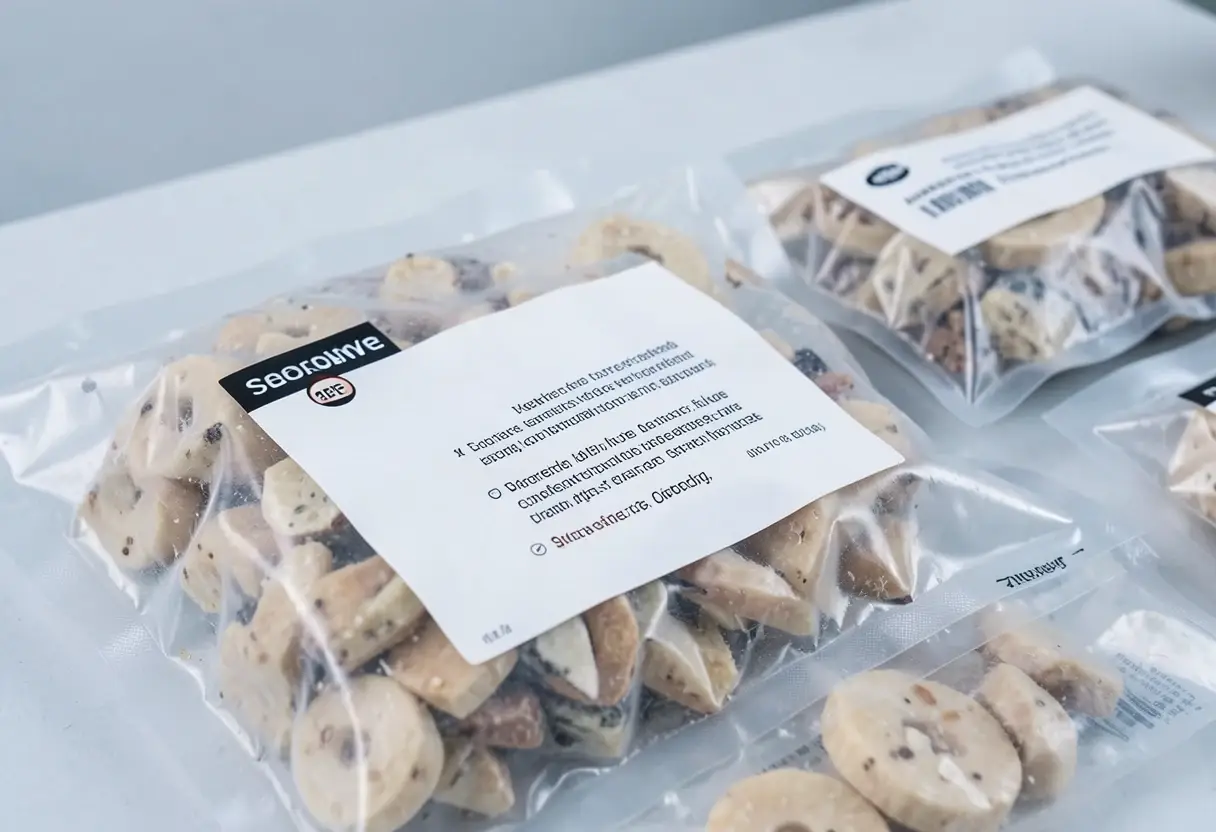
The USDA has issued a public health alert for Betterballen Foods frozen meat and poultry products after two undeclared allergens — sesame and fish — turned up in items sold nationwide through internet sales. The agency did not request a recall because the products are no longer available for purchase, though packages may still sit in consumers' freezers.
The recalling firm is Betterballen Foods of Chicago, Illinois. The affected items are frozen, not-ready-to-eat Dutch-style snacks produced on three dates: October 15, October 17, and October 27, 2026. All carry a "BEST BY" date of October 2027.
Here is what's covered:
- Bami Rolls, 6-piece, clear vacuum-packed, lot codes BR-2026-01 and BR-2026-02
- Saté Kroketten, 10-piece, clear vacuum-packed, lot code SK-1026-01
- Bitterballen, 12-piece, clear vacuum-packed, lot code BB-1026-01
Each package carries the establishment number EST M3177 or EST P3177 stamped inside the mark of inspection. Additional product photos are posted on the USDA website.
What exactly went wrong?
Sesame — one of the nine major food allergens under federal law — is present in the products but is not declared on the label as required. The beef product contains Worcestershire sauce made with anchovy, meaning fish, another major allergen that's missing from the label. For anyone with those allergies, eating these foods could trigger a serious reaction.
To date, no reports of allergic reactions have been received.
How was the problem found?
A routine label review by FSIS, the USDA's Food Safety and Inspection Service, caught the issue and triggered the health alert process. That's worth noting for operators: this wasn't a consumer complaint or an illness cluster. It was paperwork — a label check — and it's the same mechanism that routinely surfaces undeclared allergens across the packaged food supply.
For restaurants and retailers that source frozen ethnic snacks for apps menus or bar programs, the case is a reminder that allergen declarations live on the label, and the label is what regulators actually inspect.
Where were these sold?
Distribution ran through Lowlands House for internet sales nationwide, which means the products could be in freezers in any state. The items may also have been sold at a festival and a farmers market in Greer, South Carolina.
That mix of channels — e-commerce plus direct-event retail — is exactly the kind of distribution that makes a traditional recall difficult to execute, since there's no store shelf to pull product from. It's likely why USDA opted for an alert rather than a recall request.
What should consumers do?
If you bought these items, don't eat them if you're allergic to the undeclared ingredients. USDA advises two options:
- Throw them away in a secure trash can, double-bagged first so other people can't see them
- Return them to the store where you purchased them for a full refund
The alert covers a narrow window of production — three days in October 2026 — so check lot codes before discarding anything. Given the October 2027 best-by date, packages could remain in home freezers for a year or more, which keeps the alert relevant well past the point of sale.
More from Olivia Hart
Show full bio
Staff writer covering regulation, policy and their impact on Restaurant and hotel operations at The Pass Brief.
641 articles