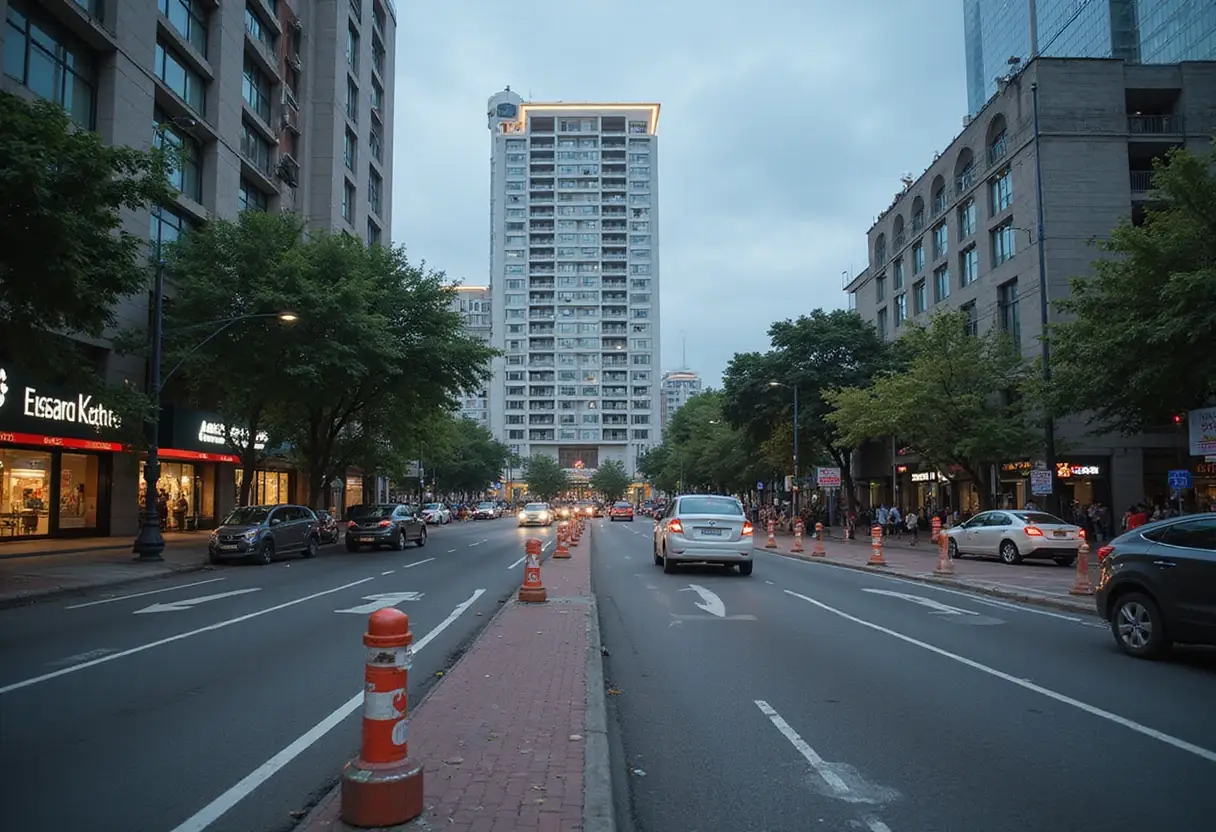
Delhi Smog Hits 581 on AQI as Peak Tourism Season Begins
Delhi hit a hazardous AQI of 581 on November 7 as peak inbound season began. Radisson says guests are deferring trips; Intrepid is handing out N95 masks.
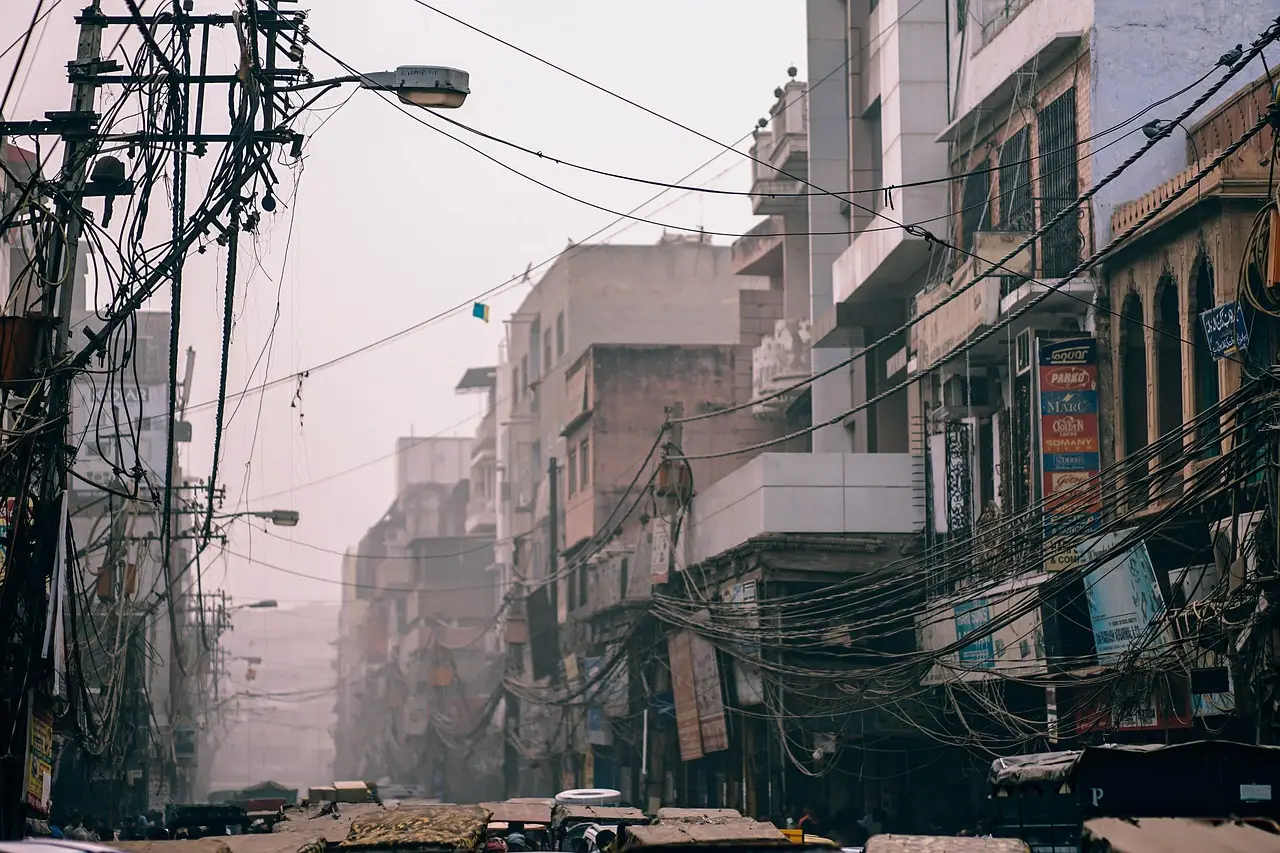
Delhi recorded a U.S. Air Quality Index reading of 581 on Saturday, November 7 — nearly double the 301 threshold that counts as hazardous — making it the most polluted major city in the world at that moment, according to data from Swiss monitoring firm IQAir. The reading landed squarely inside India's peak window for foreign visitors, and hotel operators say they can see it in the books.
Ashwani Kumar Goela, vice president of operations for Radisson's India business, said some guests now defer or postpone trips until conditions improve. Air quality concerns are more pronounced than at the same point last year, he said, and they are likely contributing to softer demand at a time when October through March should be the busiest stretch for inbound travel. Delhi, as the country's common entry point, absorbs the first impression.
Why the smog returns every winter
Geography does most of the damage. The Indo-Gangetic Plain sits against the Himalayas, which block air from flowing north, trapping pollution from late October through February. Diwali firecrackers then layer on top of the baseline. India's Supreme Court tried to cut that spike by restricting celebrations to "green" firecrackers within set hours. It didn't hold the line: on Diwali night, hourly PM2.5 concentrations peaked at roughly 10 times India's daily limit of 60 micrograms per cubic meter, according to the Center for Study of Science and Technology and Policy.
The pattern is stable enough to price in. IQAir's data shows November has averaged an AQI of 365 over the past six years — deep in hazardous territory, year after year. At the time of writing, Delhi's hourly reading had eased to 176, still second only to Lahore, Pakistan, among the world's most polluted major cities.
What does this change for operators and tour companies?
For hotels, the immediate effect is demand timing rather than lost volume: guests shift dates rather than cancel outright, compressing stays into cleaner months. For tour operators, the adjustment is operational. Intrepid Travel reported no cancellations and no routing changes, but its tour leaders now carry N95 masks and cut back outdoor time on the worst days. Masks have become the standing fix — a Band-Aid, as Skift's take put it, on a structural emissions problem.
The macro numbers raise the stakes. Foreign arrivals fell 9.4% to 9.2 million in 2025, down year over year, while India's tourism minister has set a target of 100 million international arrivals by 2047 — more than ten times current volume. A capital city that turns hazardous each November, right when inbound travel peaks, is a headwind that target can't easily absorb.
What comes next
With the pollution season running through February, operators face roughly four more months of air-quality-driven itinerary management. Expect continued reliance on masks, indoor-heavy programming and flexible rebooking as the practical response until emissions policy catches up with the tourism ambition.
More from Daniel Okafor
Show full bio
Correspondent covering companies, deals and strategy in Restaurant and hotel operations at The Pass Brief.
790 articles