Delhi hotel demand drops as protests and traffic curbs choke bookings
Delhi hotels are seeing softer demand as protests and traffic curbs disrupt arrivals and F&B covers. Operators lean on pre-paid pickups, BAR adjustments, and in-house F&B to protect margins.
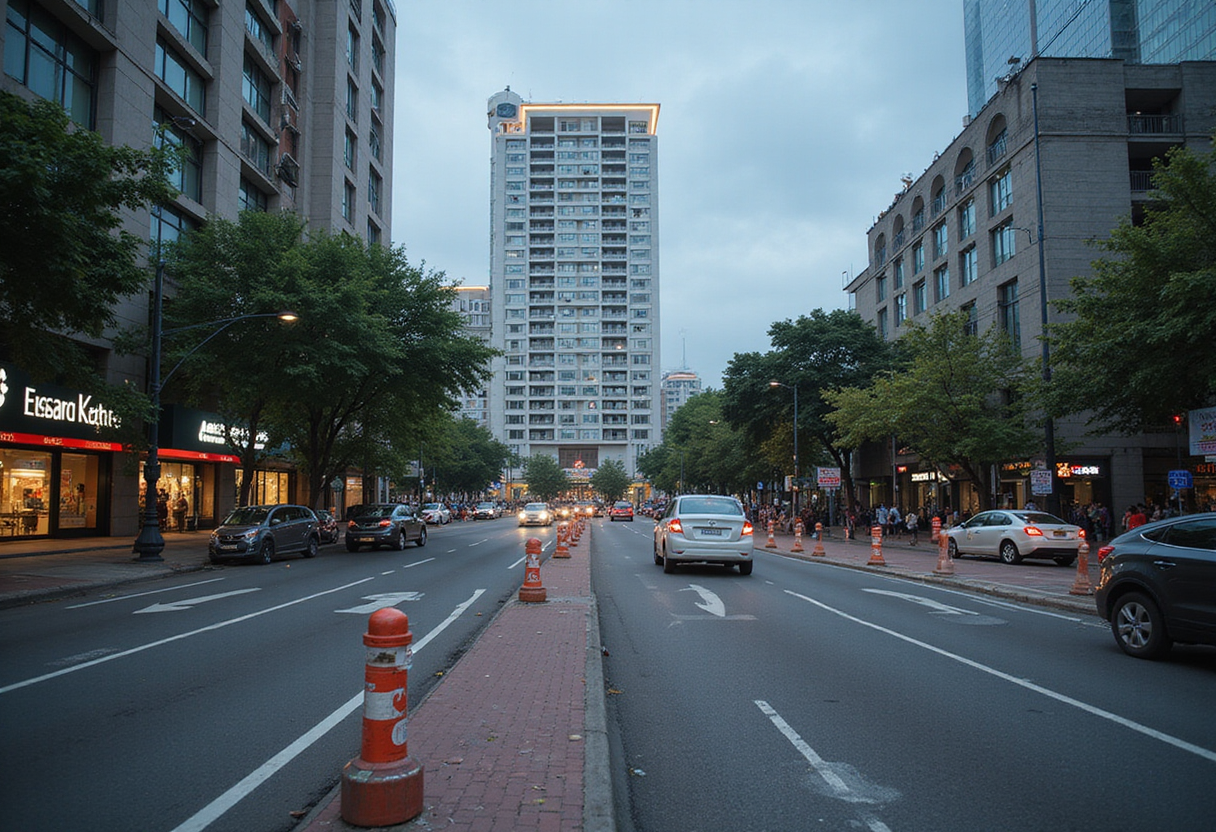
Hotels across Delhi are absorbing softer demand this week as protests and the traffic restrictions that follow them have thinned guest arrivals and dine-in covers, according to a report in The Economic Times. The combination of street closures, diversions and security cordons has made reaching properties in central and government-adjacent districts harder for both leisure travelers and corporate bookers, operators told the paper.
What changed for hoteliers
The mechanism here is straightforward: when major arterial roads shut for a protest march or sit-in, ride-hailing drivers cancel trips, airport transfers stretch from roughly 40 minutes to two hours or more, and same-day corporate bookings quietly disappear. Delhi's hospitality market runs heavily on event-driven demand, weddings, government meetings, and court-week traffic, so any disruption to movement cuts directly into occupancy and food-and-beverage covers on the same night. Hotels don't lose the revenue later; they lose it in real time, and the lost covers don't typically rebook.
Where the pain concentrates
Properties near the routes most often used for protests, including stretches around Parliament, India Gate, and the diplomatic enclave of Chanakyapuri, tend to feel the squeeze first. Mid-market business hotels in Connaught Place and Aerocity, which depend on quick airport-to-hotel transit, are the most exposed to traffic-curb days, because corporate travelers won't commit to a stay if the airport transfer is unreliable. Luxury and palace-style properties in central Delhi see more wedding and banquet exposure, so a protest that lands on a Friday or Saturday can wipe out a high-margin private-event night.
What operators can actually do
The practical question for any Delhi operator reading this is simple: how do you protect a Tuesday when a protest lands on a Tuesday? Three moves show up repeatedly in the trade playbook. First, front-desk teams call arriving guests the morning of check-in and offer a prepaid airport pickup with a hotel-arranged car, which keeps the booking alive when app-based cabs fail. Second, revenue managers push BAR (best available rate) down on low-demand nights and lean into length-of-stay discounts to fill the gap, since a sold room at a discount still beats an empty room. Third, F&B directors redirect banquet teams toward in-house guests, running lobby pop-ups and happy-hour extensions to capture spend that would have gone to outside restaurants now blocked by the cordon.
The operator math
Delhi full-service hotels typically run food-and-beverate revenue at 35–45% of total sales, and a protest night can knock Banquet covers to near zero while restaurant covers fall by a third. Labor, which is largely fixed in the short term, doesn't flex with one bad night, so the same revenue line that falls 30% can push labor cost as a percentage of sales from a target in the high 20s into the mid-30s for that single shift. A two- or three-day stretch of disruption can erase a week's worth of departmental profit on the banqueting side alone.
What to watch next
The harder question is whether the disruption becomes a pattern rather than an event. Delhi's protest calendar runs hotter during parliamentary sessions and the winter sitting, so operators with exposure to that window will be watching the next round of demonstrations to see whether traffic-curb days start clustering in ways that require a permanent pricing and staffing response. Until then, the playbook stays reactive: tighten arrivals, push the F&B team in-house, and treat every protest night as a one-day margin test rather than a multi-week trend.
More from Olivia Hart
Show full bio
Staff writer covering regulation, policy and their impact on Restaurant and hotel operations at The Pass Brief.
354 articles