Delhi Hotel Occupancy Drops as Protests and Traffic Curbs Bite
Delhi hotel occupancy is falling as political protests and traffic restrictions disrupt leisure and corporate travel demand across the capital, Hospitality Biz India reports.
By Rebecca Stone
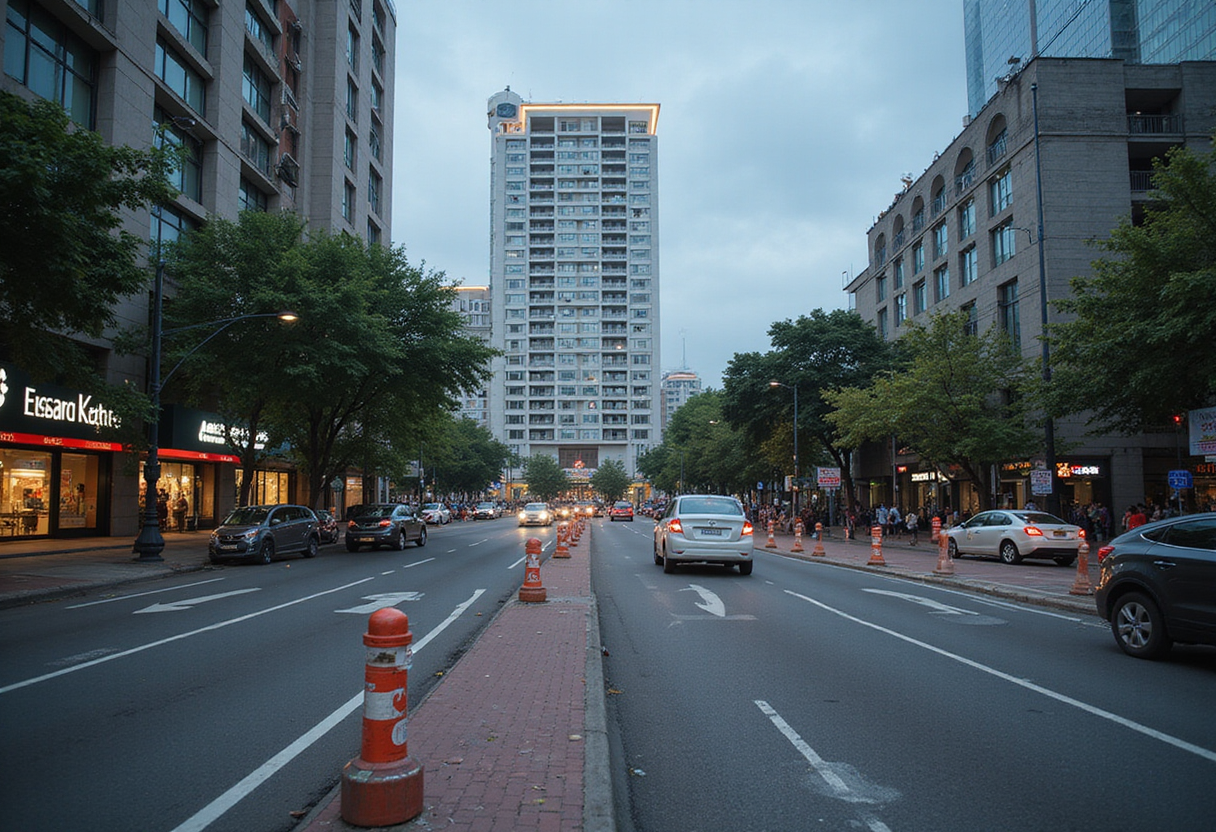
Delhi hotels are running at reduced occupancy this week as political protests and accompanying traffic restrictions across the capital cut into both leisure and corporate travel demand, according to Hospitality Biz India.
The trade publication does not disclose specific occupancy percentages or RevPAR (revenue per available room, the hotel industry's primary performance metric) figures. It attributes the softness to two converging factors: ongoing demonstrations and the traffic curbs imposed by Delhi Police to manage them.
What is driving the decline?
For a market of Delhi's scale, the timing matters. The capital enters its peak convention and wedding season in late November and December, when group bookings typically anchor occupancy above 70% at mid-scale and upper-upscale properties. Any disruption in that window carries an outsized effect on quarterly results, because group business carries longer lead times and steeper cancellation penalties than transient (walk-in or short-stay) bookings.
The protest-driven decline reflects a pattern operators in the city know well. Hoteliers in Delhi absorb demand shocks every time a demonstration routes through central administrative zones or when security perimeters force road closures. The mechanism is straightforward: corporate travelers defer trips, inbound flights hold or cancel, and group organizers move events to properties outside the curb zone or shift to virtual formats.
How do hotels typically absorb the hit?
Revenue managers respond to demand shocks in three steps, according to standard industry practice. They hold rate on corporate negotiated accounts to protect ADR (average daily rate). They open discounted last-minute channels to fill rooms that would otherwise sit empty. They push displaced group leads to sister properties in the National Capital Region. None of those moves restore the lost demand. They merely redistribute it within a portfolio.
Delhi's hotel stock carries high exposure to this kind of volatility. The capital houses a deep concentration of company-operated luxury and upper-upscale flags from chains including Indian Hotels Company (Taj), Oberoi Hotels & Resorts, ITC Hotels, and Lemon Tree Hotels, alongside the India portfolios of Marriott International, Hyatt Hotels Corporation, and Accor. Because these properties are largely company-operated rather than franchised, occupancies compress contribution margins (the share of revenue left after variable operating costs) directly, without an offsetting franchisee buffer to absorb the swing.
The traffic-curb component compounds the problem. When arterial roads close, airport transfers stretch from the standard 45 minutes to two hours or more. That erodes the appeal of centrally located business hotels for travelers with same-day meeting schedules, and it pushes food-and-beverage revenue — the banquet and restaurant business at full-service hotels — lower, since cancellations hit event bookings first.
What do operators watch next?
Three indicators will shape the read on this week. The Delhi Police advisory schedule will determine whether curbs hold or ease. The pace of new group bookings will show whether the disruption is priced into demand. The trajectory of airline load factors (the percentage of available seats sold) into Indira Gandhi International Airport will signal whether corporate travel is deferring or canceling outright.
The current episode will likely run its course within days if demonstrations remain localized. A longer stretch, or protests spreading to commercial districts, would change the arithmetic for the December quarter. For now, the city's hoteliers are absorbing the hit and waiting for normal traffic to return. They have done this before. They will do it again.
More from Rebecca Stone
Show full bio
Senior reporter covering technology and product news in Restaurant and hotel operations at The Pass Brief.
354 articles