Haze From Indonesia's Fires Triggers November Cancellations in Malaysia
Malaysian inbound operators report November cancellations and losses potentially in the millions of MYR as Indonesian fire haze hits a tourism year already short of its 47 million visitor goal.
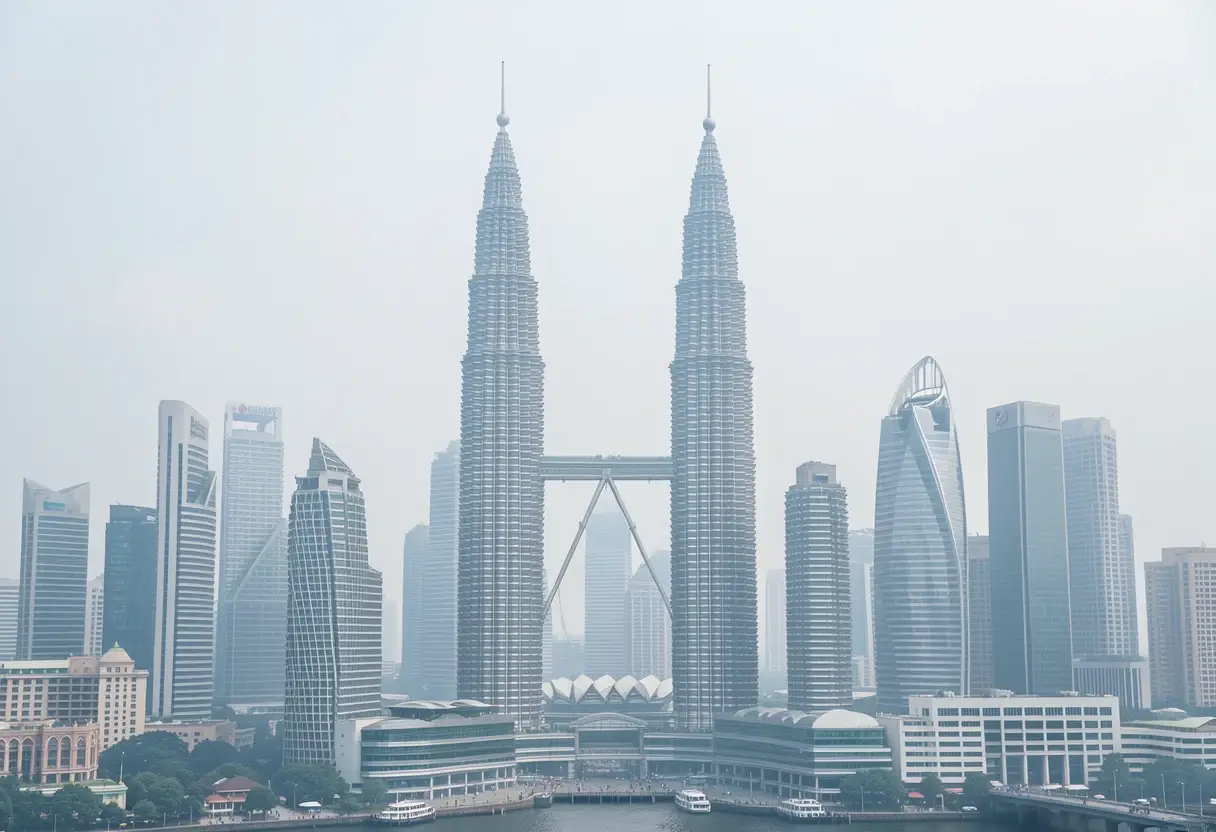
Malaysia's inbound tour operators are reporting November cancellations ahead of the year-end travel season, and the revenue at risk likely runs into the millions of ringgit, according to Mint Leong of the Malaysian Inbound Tourism Association. The trigger is haze from months of forest and peatland fires in Indonesia, which has settled over Malaysia and Singapore and disrupted travel across the region.
The damage is real but not yet measurable. Mohd Khalid Harun, president of the Malaysia Tourism Agency Association (MATA), told Skift: "We are seeing reports of reduced bookings and cancellations among some inbound tour operators, particularly for November travel." MATA says consolidated occupancy and cancellation data isn't available yet, so no one can size the national hit.
The numbers that do exist point to a broad regional impact. Indonesia's Transportation Ministry logged 2,604 haze-affected domestic flights between August 11 and October 19, including 1,420 cancellations or postponements — more than half of the disrupted flights never took off. Malaysia's Firefly canceled its six daily Subang–Seletar round trips in October. At one point, three of the region's major cities — Jakarta, Kuala Lumpur and Singapore — were all affected simultaneously.
What does this change for Malaysia's tourism targets?
Very little, and that's the problem. Visit Malaysia, the country's tourism promotion board, set a target of 47 million international visitors this year. That goal was already out of reach before the haze arrived.
The arithmetic makes it clear. Malaysia recorded 28.8 million international visitors from January to August, up just 1.8% year over year. Reaching 47 million would require 18.2 million arrivals across September to December — roughly 31% above the same period last year. For context, the country managed barely 2% growth over the first eight months. A 31% surge in the final third of the year was never realistic; the haze simply makes a shortfall worse.
The practical question for operators is whether travelers write off the whole region or only the worst-hit areas. Early behavior suggests selective avoidance rather than wholesale cancellation.
How are operators adapting?
Operators are rerouting programs rather than shutting them down. Destination Asia has suspended houseboat cruises in Tanjung Puting National Park in Kalimantan, the Indonesian portion of Borneo closest to the fire zones. In their place, the operator is offering alternatives in Java, Bali, Lombok and Komodo — destinations outside the haze corridor.
In Singapore, sightseeing programs may be shortened or moved indoors, preserving the itinerary even when the view doesn't cooperate. That's a familiar playbook for the region, which has dealt with recurring haze episodes tied to Indonesian land clearing for years.
For Malaysian inbound operators, the deeper cost is the year-end season itself. November and December carry a heavy share of leisure travel, and group bookings — the segment MATA members depend on — are among the first to cancel when air quality turns hazardous. Leong's estimate of potential losses in the millions of MYR covers reduced bookings as well as outright cancellations.
The year-end damage now hinges on how long the fires burn and whether travelers distinguish between haze-hit and clear-air destinations. If the smoke lifts early, Malaysia may still salvage much of its peak season, even if the 47 million visitor target stays firmly out of reach.
More from Olivia Hart
Show full bio
Staff writer covering regulation, policy and their impact on Restaurant and hotel operations at The Pass Brief.
558 articles