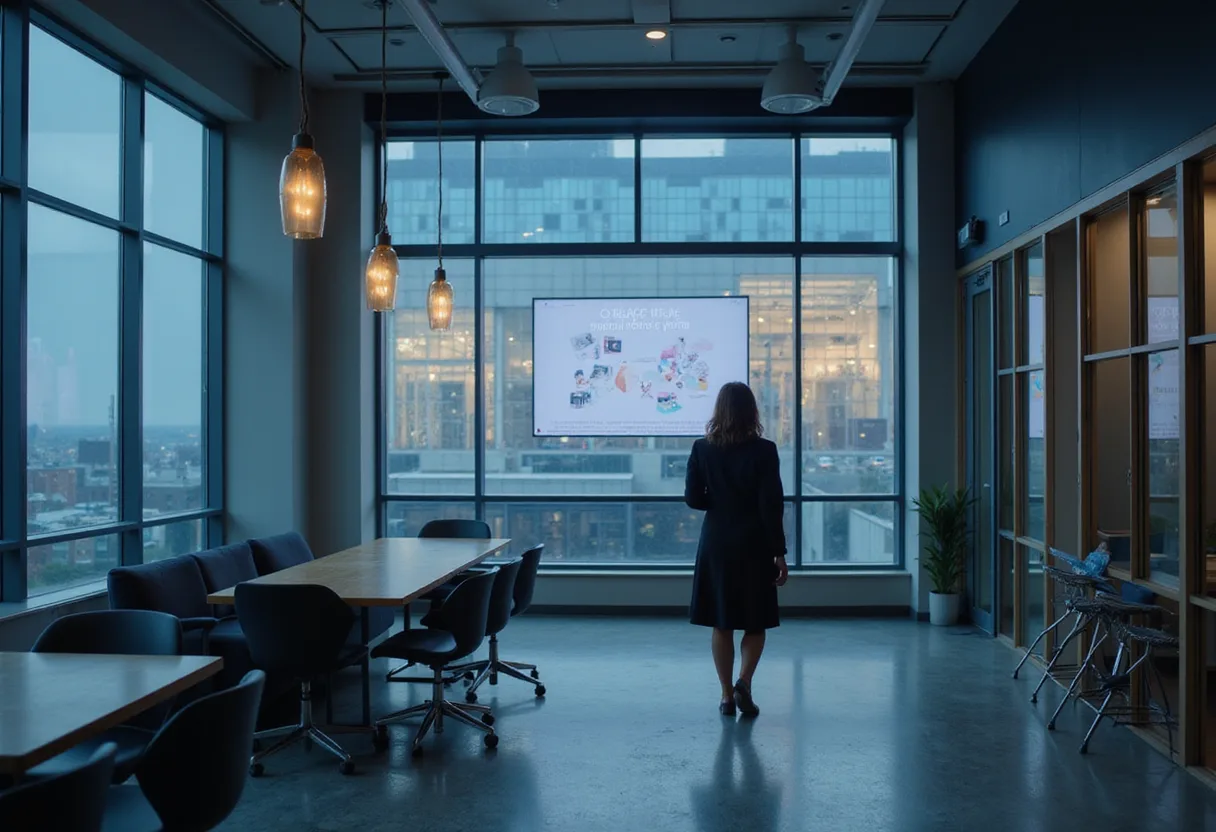
Hotel Lobbies Are Inventory Now, and GMs Want Them Programmed Like Restaurants
A Conrad New York Downtown GM argues programmed lobbies outperform designed ones on F&B revenue, dwell time and local repeat visits. Beautiful is table stakes. Active is the differentiator.

The lobby at Conrad New York Downtown runs a Summer Live Music Series, a Veuve Clicquot and Fever-Tree tasting program, and New York Fashion Week pop-ups — because the property's general manager treats the space not as overhead but as inventory.
That framing comes from the GM's own argument, reprinted from the Hotel Business Review by HotelExecutive.com, that luxury and lifestyle hotels must actively program their lobbies as social destinations. The payoff, the argument runs, is F&B revenue, local engagement, and brand differentiation. The lobby, in this view, is a room with a revenue job, and that job has changed more in the last several years than in previous decades.
What turned lobbies into 'third places'?
The shift is not an interior design trend. It reflects structural change in how people use cities: remote work, the decline of the traditional office, and demand for curated social experiences have pushed the lobby toward what urban sociologists call a "third place" — not home, not work, but a space offering community and a reason to linger.
The GM sketches the behavior change plainly. A freelancer who worked from a coffee shop now works from a hotel lobby. A local who once met friends at a neighborhood bar suggests the hotel down the block. A traveler comes downstairs after a long flight because something is happening below.
What does programming look like in practice?
At Conrad New York Downtown, every decision about the space answers one question: what would make someone who is not a guest choose to spend time here? The answers include:
- Summer Live Music Series: jazz soloists and vocalists in the ATRIO bar and lobby, converting quiet midweek evenings into nights locals plan around.
- ATRIO Cove: an event space flowing into the lobby through curved couches, letting planners host semi-private gatherings embedded in the hotel's energy rather than cordoned off.
- Vendor tastings: partnerships from Veuve Clicquot to Fever-Tree and Southern brands, turning the lobby into a discovery platform with a rotating draw.
- RAYE Private Concert Series: staged in the West Ballroom but built anticipation in the lobby, where unticketed guests still felt part of the evening.
- Pop-ups: Max Alexander's fashion exhibit during New York Fashion Week, covered by the New York Times and People, plus candle-making classes and plant shops in the gift space.
Tempo by Hilton Times Square applies the same logic at a different tempo. Its lobby targets a younger, lifestyle-forward traveler who wants to feel plugged into the city immediately. The bar, communal seating, and intentional sightlines invite spontaneous connection rather than efficient transit. One lobby calibrates for lingering sophistication; the other for kinetic energy. Both rest on the same conviction: architecture fixes nothing, programming activates everything.
What is the business case?
A well-programmed lobby increases dwell time, and dwell time increases spend — a longer stay means a second drink, a higher average check. A local drawn in by a pop-up becomes a repeat F&B customer, a future event booking, or a referral. A corporate traveler who takes meetings in the lobby bar builds an association with the hotel that compounds on every return visit.
The metrics the GM names are F&B revenue per available customer, repeat visit rate from local non-guests, and event booking conversion. The verdict: programmed lobbies outperform simply designed ones. "Beautiful is table stakes. Active is the differentiator." Ownership groups that still judge lobby investment through a capital-expenditure, design-first lens are underpricing what the space can generate as a revenue-bearing department.
Where does programming fail?
The most common mistake, the GM argues, is treating lobby programming as marketing rather than operations. The predictable failures:
- Front desk overwhelm during peak arrival windows.
- Noise bleed between a check-in line and a concert in a space never designed for both.
- Pop-ups with no plan for restocking, staffing, or breakdown before the morning coffee rush.
Successful programming needs the rigor of any revenue department: named ownership, a budget, measurement, a staffing model, and coordination with the arrival experience and the F&B operation. The GM's role is to treat the lobby as a living product, planning its calendar the way a restaurant plans its menu.
The lobby is the first place a guest forms an impression of a hotel — not the website, not the review score. As the GM puts it: "The lobby is no longer a waiting room. It is the opening statement, and it should be worth reading." Expect more ownership groups to move lobby spending from the capex line to the operating budget as the revenue case hardens.
More from Rebecca Stone
Show full bio
Senior reporter covering technology and product news in Restaurant and hotel operations at The Pass Brief.
556 articles