Hilton and Marriott Will Now Pay Franchisees for Better Guest Scores
Hilton's RISE and Marriott's ITR programs will discount franchise fees — up to 50 basis points of gross room revenue — for hotels with strong guest satisfaction scores.
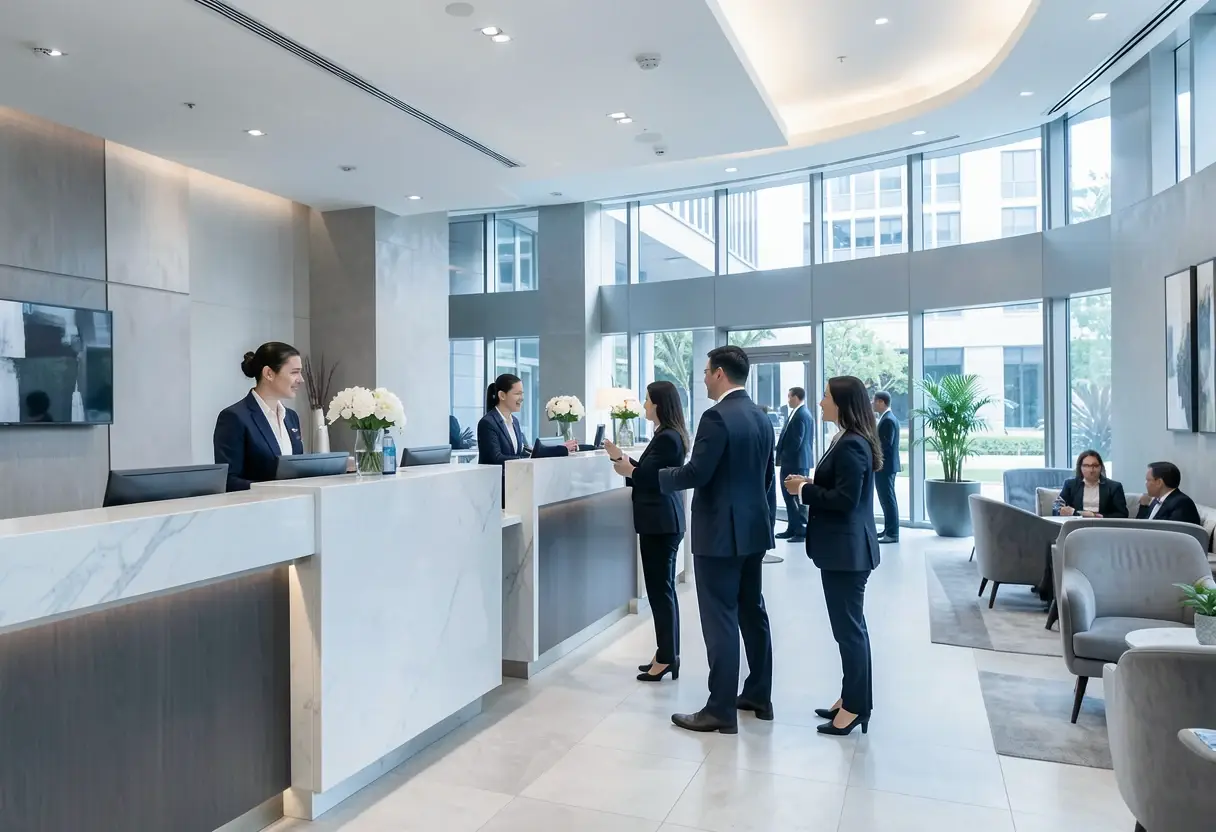
Hilton and Marriott will discount franchise fees for hotels that score well on guest satisfaction surveys, converting service quality into a measurable line item for the first time. The two largest U.S. hotel companies confirmed the programs on their second-quarter 2026 earnings calls.
Hilton CEO Chris Nassetta referenced a program called RISE, which discounts fees for hotels with strong guest satisfaction survey results. The incentive pushes hotel leaders to train and motivate frontline staff rather than rely solely on loyalty points to drive repeat business.
Marriott is moving in parallel. CEO Tony Capuano said: "We are also now planning to roll out a new ITR, or Intent to Recommend incentive, in the U.S. and Canada that will provide a fee discount for top hotels that receive strong guest satisfaction scores."
What does the incentive pay?
CFO Jennifer Mason put a number on it: "It's up to 50 basis points of gross room revenue, fee reimbursement for achieving defined ITR thresholds. That will start to be baked in for the back half of the year."
That is the concrete figure. Fifty basis points of gross room revenue is real money for a franchisee operating on thin hotel margins. It also marks a departure from how the industry has historically measured service quality — through guest satisfaction surveys and net promoter scores — without ever tying those scores to fees.
Why are brands changing course now?
The programs signal a shift away from treating points-based loyalty programs as the sole driver of brand loyalty. Frequent travelers typically belong to multiple programs, which weakens exclusivity. OTA programs such as Expedia's OneKey Cash add pressure by rewarding universal credits usable toward any future stay across Hotels.com, VRBO and Expedia.
Brands have also pursued market share by launching a steady stream of new sub-brands. The result, by many accounts, is homogenization: select-service properties such as Spark by Hilton, Holiday Inn Express and Fairfield Inn have become difficult to distinguish from one another in guest rooms and breakfast areas alike.
Service is the remaining differentiator, and the survey data supports it. The Hotels.com 2025 Hotel Room Innsights report found 70% of hotel guests prefer in-person check-in and support. Expedia's Path To Purchase report found the largest source of trip-planning inspiration is a conversation with a family member, at 37%, with another 17% citing a co-worker or friend.
What about automation and AI?
AI misuse, slop content and deepfakes may push travelers to trust recommendations from actual people even more. The argument cuts against overinvestment in guest-facing technology: vendors sell the same innovations to every competitor, so technology alone cannot establish an edge.
Industry voices now urge operators to treat remaining human touch points as connection opportunities rather than friction to be eliminated. As automation chips away at guest interactions, each surviving encounter carries more weight.
Who benefits and who waits?
Independent hotels gain nothing directly. They must still rely on anecdotal evidence that strong survey results and high NPS lift the bottom line. Hilton and Marriott franchisees, by contrast, should soon see the evidence on the P&L — up to 50 basis points of gross room revenue for meeting Marriott's ITR thresholds starting in the back half of the year, with Hilton's RISE discounts already in motion.
Whether other major brands follow, and whether the discounts outweigh the training costs required to earn them, remains an open question for franchisees.
More from Marcus Bennett
Show full bio
Market editor covering technology and product news in Restaurant and hotel operations at The Pass Brief.
590 articles