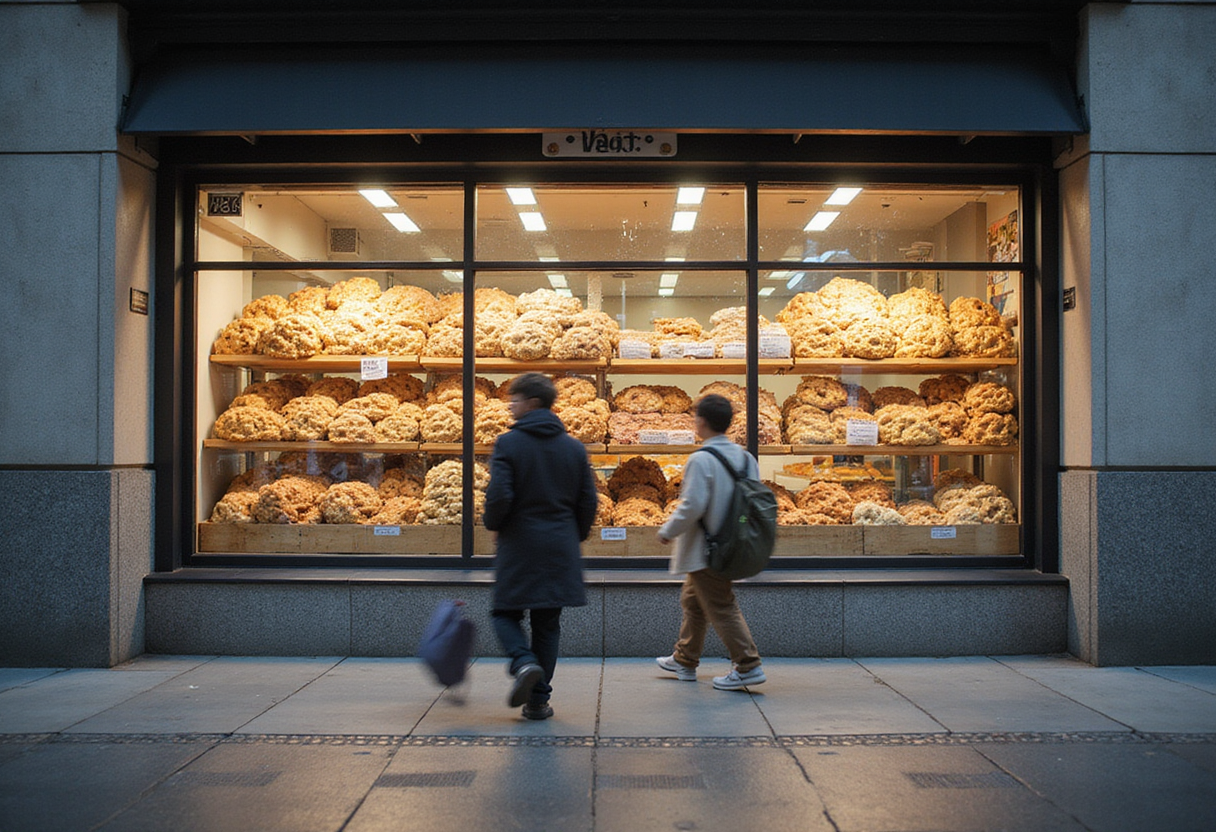
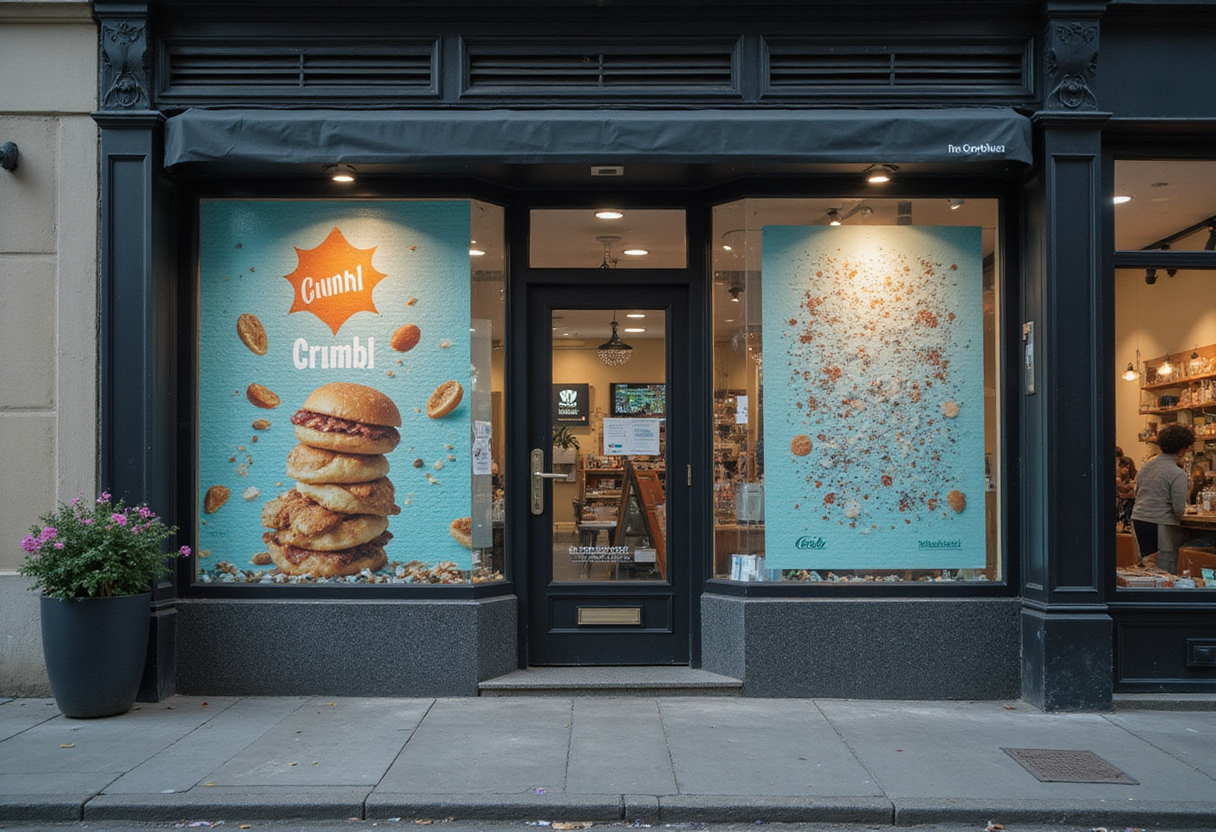
Crumbl Trims Stores as Fast-Casual Discretionary Dollars Tighten
Crumbl is closing stores as U.S. consumers cut back on non-essential purchases. The cookie chain's pullback, per KUTV, spotlights a fast-casual squeeze hitting middle-market concepts first.
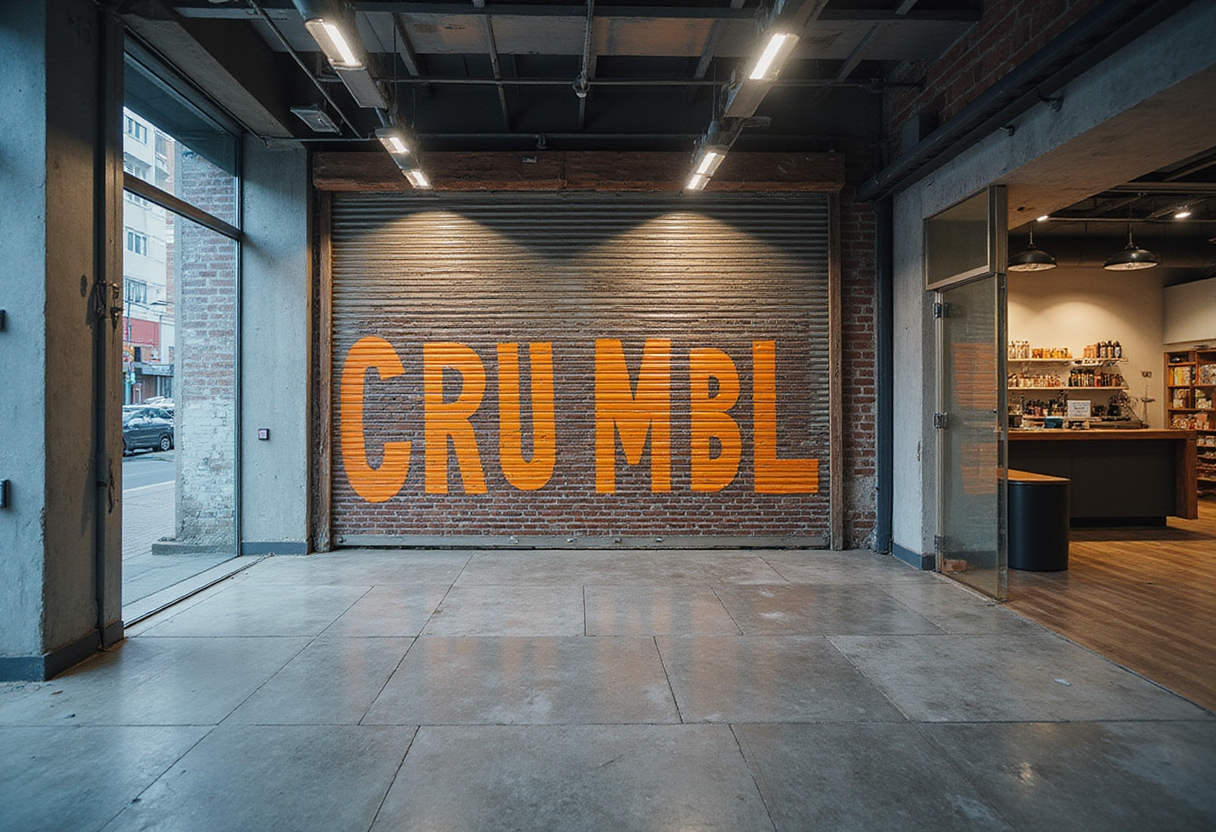
Crumbl is closing stores. The cookie chain, which built one of the fastest-growing restaurant footprints of the last decade around a single-product, shareable-treat concept, is now trimming its unit count as U.S. consumers pull back on non-essential purchases.
KUTV's reporting frames the closures as a window into pressure on fast-casual operators and on the discretionary dollars that fuel them. That framing matters because Crumbl was a high-growth concept by almost any measure. Its check averages sit well above traditional bakery or dessert categories, and its expansion was financed largely through a franchising engine that prioritized unit growth over unit economics.
What's driving the pullback?
Discretionary spending — the slice of household budgets that goes to treats, snacks, and small luxuries — is the first casualty when inflation, credit costs, and savings rates all move against the consumer at once. A premium cookie isn't a meal replacement. It's a want, not a need. When a family decides to skip the cookie run, Crumbl feels it before almost any other concept does.
The math compounds. A dessert concept running on impulse traffic gets hit twice: fewer shoppers at the counter, and a smaller average ticket from those who do visit. That's the kind of dual pressure that turns a soft quarter into a closure decision.
How does fast-casual fit in?
Fast-casual sits between quick-service and full-service on both price and visit frequency. Operators in the middle have been squeezed by QSR price increases that pulled customers down-market and by full-service promotions that pulled them back up. Margin compression follows from both directions.
Crumbl's model — single-product focus, weekly flavor drops, shareable packaging — is a fast-casual concept in everything but name. The brand's growth thesis depended on a customer who'd drive across town for a box of cookies and come back the following week for the new flavor. That thesis assumes a consumer with room in the budget for a small weekly luxury. When that room shrinks, the concept has to either lower its prices or shrink its footprint. Crumbl appears to be choosing footprint for now.
What does this change for operators?
It sharpens a question every multi-unit franchisor is asking right now: how do you grow when the consumer is trading down, not up? The answer most chains are landing on is menu engineering. Add lower-priced entry points. Build combo structures. Push loyalty programs that reward frequency over ticket size. Crumbl has historically resisted the value-menu move because it would dilute a premium positioning, but the closures suggest the math may be forcing a rethink.
It also matters for the franchisee side of the business. Crumbl's expansion was a franchisee-funded story, with operators putting up the buildout costs and signing multi-year leases in exchange for a brand halo and a fast-growing category. Closures concentrated in any one region can signal local saturation or unit-level underperformance the corporate system didn't catch. Investors and lenders watching the brand will want to know whether the pullback is tactical — closing weak stores to lift system averages — or structural: the model has hit a ceiling in the current consumer environment.
The forward question
The Pass Brief will be watching whether Crumbl's next move is pricing, menu, or footprint. The brand has options, but each one costs something. A value push protects same-store sales but cheapens the brand. A menu expansion broadens the addressable market but complicates operations and supply chain. Continued closures protect margins but cap growth and erode the development pipeline.
The chain that scaled by giving customers exactly one decision — which cookie this week — now has to make a bigger one of its own. What it does next will tell the rest of the fast-casual middle whether the squeeze is something to ride out, or something to plan around.
More from Olivia Hart
Show full bio
Staff writer covering regulation, policy and their impact on Restaurant and hotel operations at The Pass Brief.
344 articles