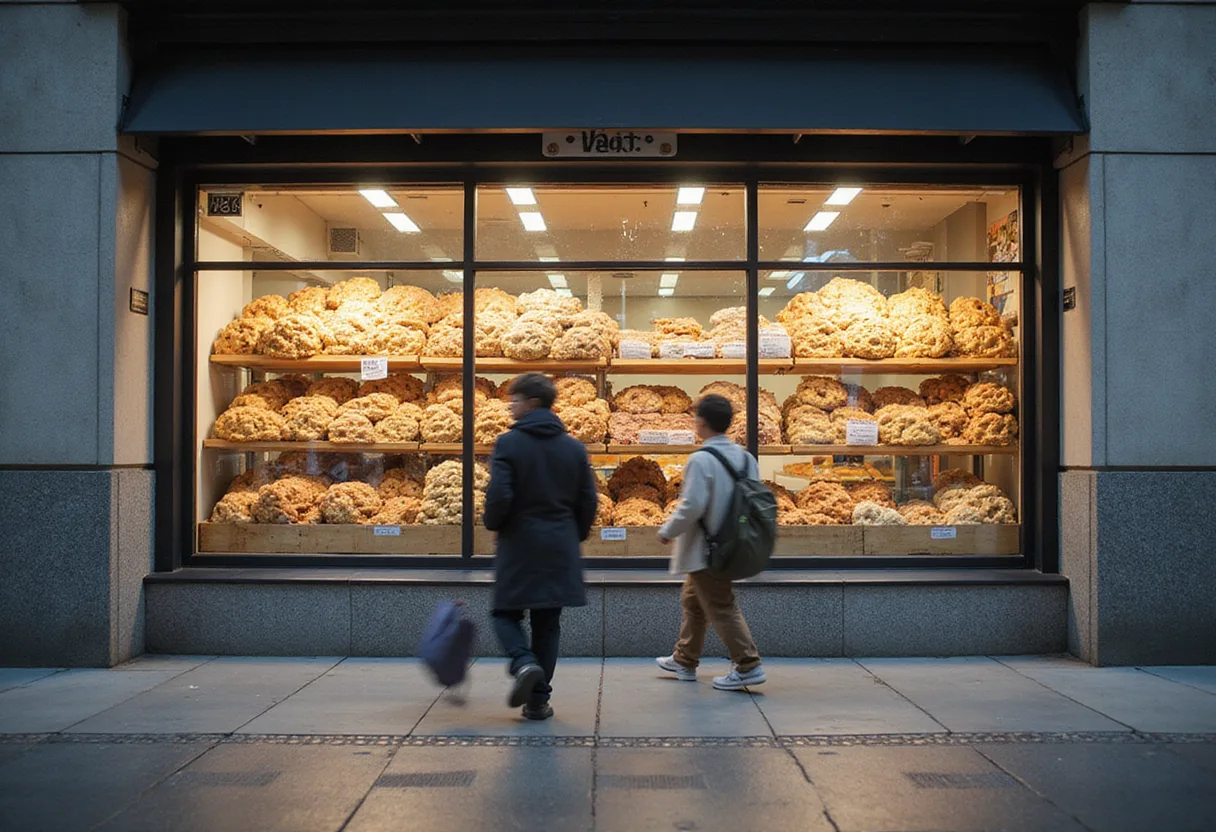
Crumbl Cookies Hits a Rough Patch After Years of Breakout Growth
Crumbl Cookies, the rotating-menu bakery chain that rode TikTok to rapid franchise growth, is now working through a downturn flagged by The Food Institute.

Crumbl Cookies, the bakery chain built on a rotating weekly menu and a social-media-fueled growth story, is now working through a downturn serious enough that industry trackers have labeled its once-sweet run as turned sour.
The Food Institute, which flagged the shift, points to a reversal for a brand that spent the last several years as one of the fastest-growing concepts in foodservice. Crumbl's model is unusual and worth understanding before reading the trouble: nearly all of its roughly thousand-plus footprint is franchised, with bakery owners buying into a system that swaps in new cookie flavors every Sunday.
That rotating menu is the mechanism behind both the rise and the current strain. Weekly flavor drops give customers a reason to check the app and give TikTok creators fresh material, which kept demand high without traditional advertising spend. But it also forces each bakery to retrain staff, re-source ingredients and re-merchandise displays every single week — a cost structure that only works when traffic keeps climbing.
What does this change for franchisees?
For the operators who hold Crumbl franchises, a demand slowdown lands directly on their P&L. A cookie concept runs on relatively low food cost and modest labor per batch, but weekly menu turnover means ingredient orders that can't be optimized the way a static menu allows. When same-store traffic softens, franchisees absorb the mismatch between rotating inventory and falling sales — a squeeze that shows up fastest in cost of goods and waste.
It also changes the math on growth. Crumbl expanded through aggressive franchising, signing new operators as long as unit-level economics looked strong on paper. A cooling brand makes new franchise sales harder and puts pressure on existing owners who bought in at peak expectations.
Why the social-media engine cuts both ways
Crumbl's marketing was essentially free — customers filmed taste tests and flavor reveals, and the chain rode that content to national awareness. The flip side is that viral demand is thin demand. It moves with trends rather than habit, and a chain whose traffic depends on weekly novelty has little cushion when the feed moves on.
Industry observers have watched similar patterns with other novelty-led concepts: explosive early units, heavy franchise signings, then a reckoning when the format stops generating organic buzz. Crumbl's challenge now is converting viral visitors into repeat buyers who show up regardless of which flavor is on the board.
What comes next
Crumbl hasn't announced any structural changes to the franchise model or the weekly rotation as part of the reported downturn. The chain still holds one of the largest footprints in the better-bakery segment, which gives it room to adjust pricing, menu cadence or franchise support before the slowdown becomes structural. Whether management treats this as a cyclical dip or a signal to rethink the rotation itself will likely determine how the next chapter reads for its franchise owners.
More from Olivia Hart
Show full bio
Staff writer covering regulation, policy and their impact on Restaurant and hotel operations at The Pass Brief.
430 articles