CoralTree's 45 Hotels Bet Reservations Calls Drive Ancillary Revenue
CoralTree Hospitality's Angela Berkey says reservation teams that match guests to experiences — not upsells — unlock dining, spa and wellness revenue across its 45-property portfolio.
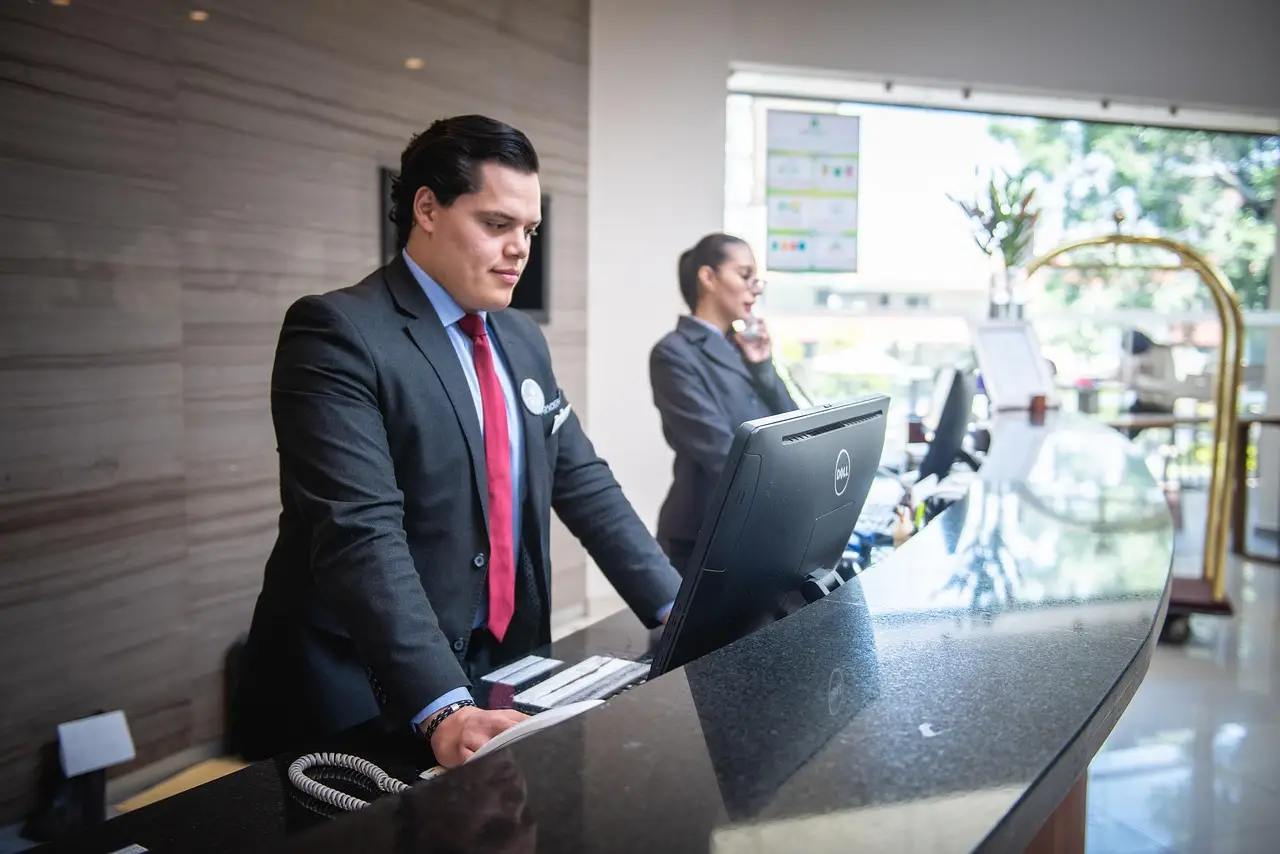
CoralTree Hospitality manages roughly 45 hotels, resorts and residence products, and its Vice President of Guest Engagement, Angela Berkey, argues the portfolio's next revenue is hiding in a channel most operators treat as transactional: the reservations call.
Speaking on Revinate's Hotel Moment podcast with CMO Karen Stephens, Berkey — who was promoted to the VP role this year after long stints leading reservations teams and CRM — laid out an operator's case for treating the first phone call as the start of the commercial relationship, not a booking to close.
"Reservations and really all of our team members, it's about connecting with the guest, finding out what's important to them, the guest feeling seen, and then matching what they're looking for," Berkey said. "And when we can do that, we create a great guest experience all the way around."
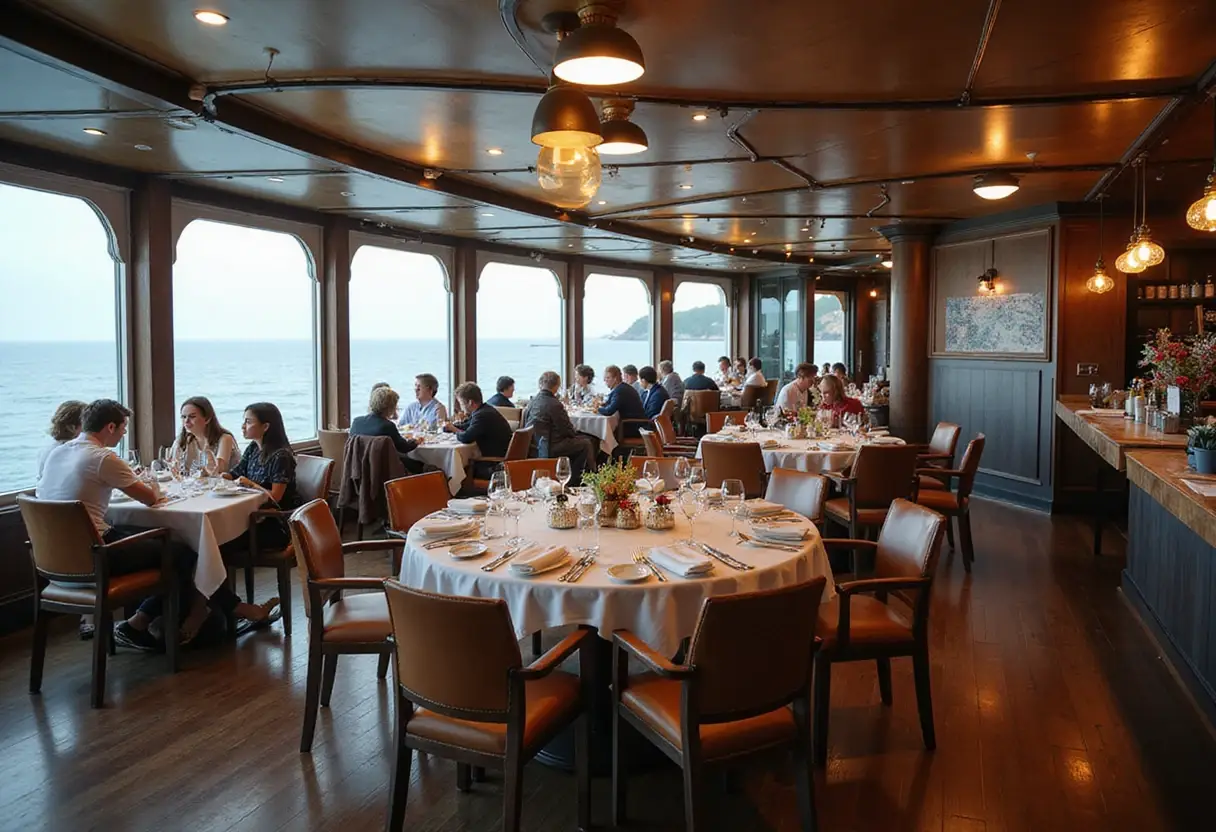
Her framing is economic as much as sentimental. All hotels have beds and bathrooms; the margin, in her telling, sits in dining, spa and wellness attachments secured before arrival. Her example is concrete: a guest arriving at 6 p.m. gets dinner reservations set in advance, fulfilling a need rather than pitching an upsell. A spa loyalist who arrives to find treatments fully booked experiences what Berkey calls a "rapport break" — lost ancillary revenue plus a damaged relationship.
What does this change for the guest data question?
CoralTree's structure complicates cross-selling. The company, a wholly-owned subsidiary of Lowe launched in December 2018, runs independent, branded and soft-branded properties — including Terranea Resort in Southern California, Vivo Resorts in Mexico, Hotel Lincoln in Chicago and Hotel Vitale in San Francisco — plus a residence collection of individually owned units it property-manages.
Guest data belongs to the hotel, Berkey confirmed. Cross-property marketing happens only with permission, and more easily within a single ownership group. "We are careful because we do have different owners and we want to make sure that we protect their assets," she said.
On personalization, Berkey drew a hard line between thoughtful and intrusive. The goal, she said, is using technology to remove friction "without the guest even knowing" — never announcing that the brand has tracked a preference. She cited a case earlier this year: a VIP conference speaker whose room the team pre-set to 64 degrees after learning his temperature preference. He praised it from the stage; nobody told him how it happened.
Where AI fits — and where it doesn't
Berkey's AI stance is narrow and cost-focused: automate the transactional work — reports, housekeeping boards, administrative tasks — and keep humans on hospitality. "Will we have robots at the front desk? No," she said. The front desk may evolve into a lobby-host model, but the technology's job is freeing team members for guest connection, not replacing them.
Paradoxically, she expects tech to fuel what she calls an "analog movement" — property-level rituals, afternoon gatherings, puzzles by the fire — that build guest community and, by extension, stay value.
Operationally, CoralTree enforces consistency through guest-journey touchpoint standards provided to every property, while letting local teams improvise within that framework. "We don't mandate anything," Berkey said. "We really want to inspire and influence."
Her career advice to operators mirrors the strategy: say yes to unfamiliar functions, then reframe each role around the overall business. That shift from running a department to connecting the dots, she said, is what turns reservations, CRM and marketing into one commercial team — because the guest only ever sees one hotel.
More from Daniel Okafor
Show full bio
Correspondent covering companies, deals and strategy in Restaurant and hotel operations at The Pass Brief.
694 articles