California Puts $250,000 Into Cyclospora Research After Outbreak
California will spend $250,000 in unspent USDA grant money on Cyclospora research after a lettuce outbreak linked to Taylor Farms sickened nearly 13,000, hospitalized 560 and killed two.
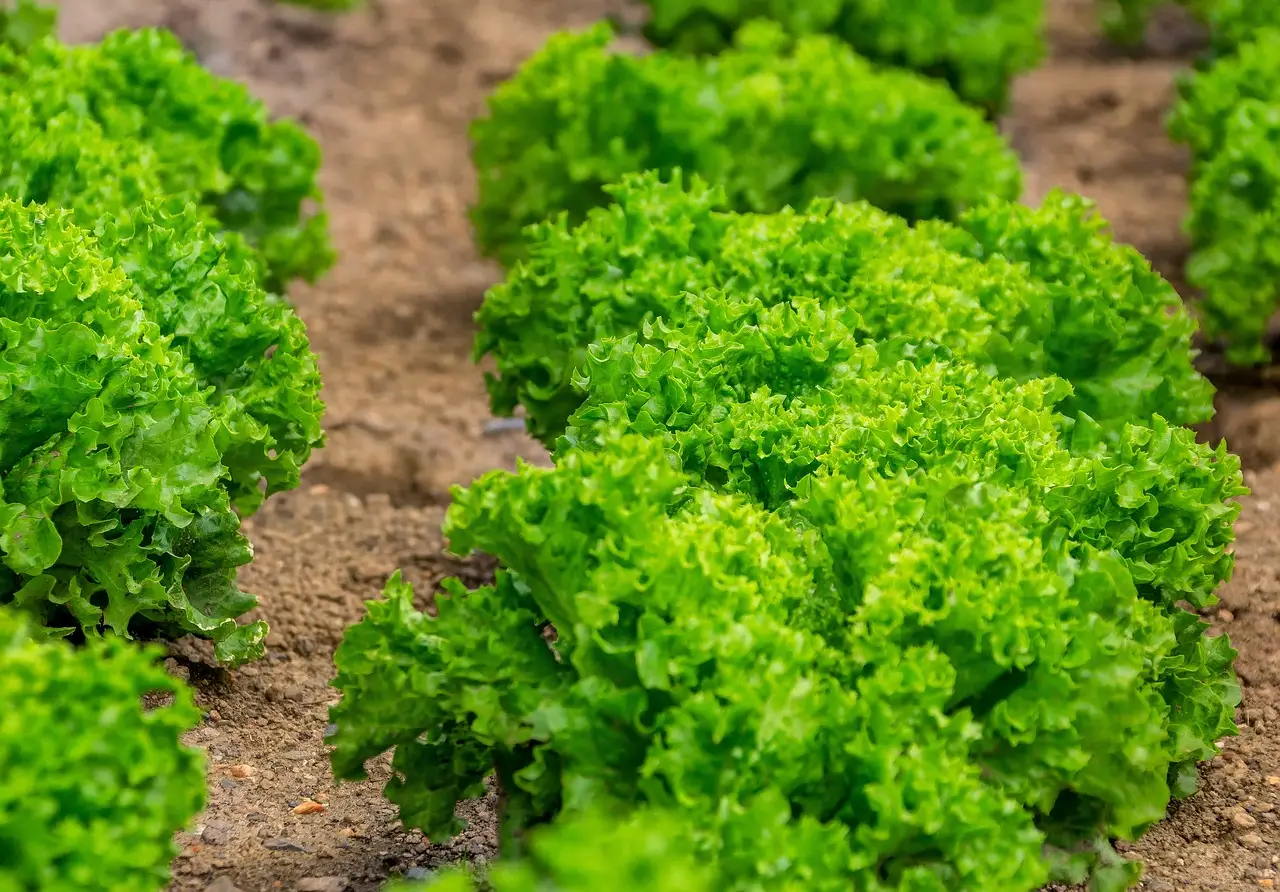
California will spend $250,000 on research into Cyclospora contamination of lettuce, using unspent federal specialty crop grant money after an outbreak that sickened nearly 13,000 people, hospitalized 560 and killed two this past summer.
The California Department of Food and Agriculture is funding the project with leftover specialty block grant funding from the U.S. Department of Agriculture. CDFA is also applying to USDA for additional money to expand the effort, Secretary Karen Ross said.
Ross briefed the California State Board of Food and Agriculture earlier this month. She acknowledged the agency has done comparatively little research on the parasite because Cyclospora is not endemic to California — the contamination problem, in this outbreak, originated south of the border.
What happened this summer?
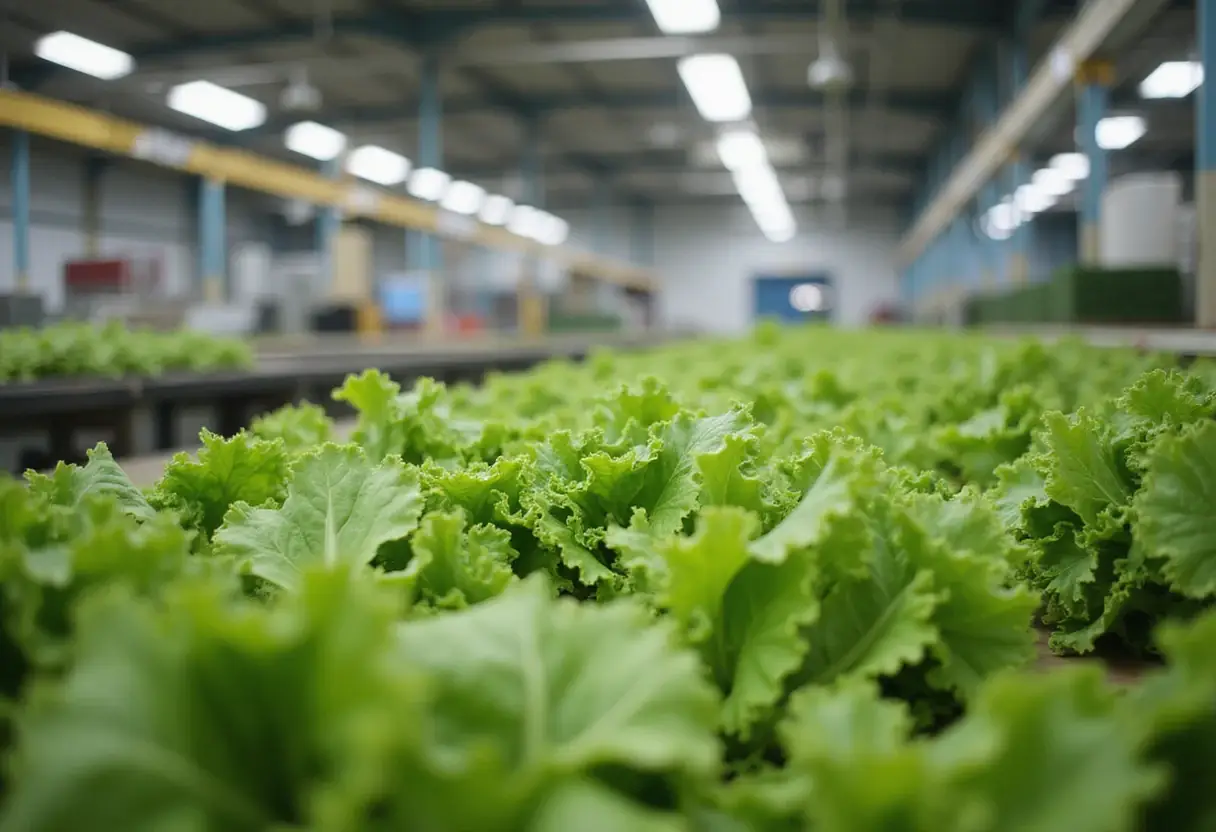
A Food and Drug Administration investigation traced the outbreak to contaminated lettuce grown in Mexico and processed and distributed by Taylor Fresh Foods, the Salinas-based leafy greens giant better known as Taylor Farms. The company calls itself the leading global producer of salads.
Investigators found the parasite in ditches adjacent to the lettuce growing fields and in water at the company's processing plant in Mexico. A Washington Post analysis of FDA enforcement data put the recall total at more than 3.1 million pounds of lettuce linked to the farm.
The human toll was substantial. Cyclospora causes severe diarrhea, and symptoms can last a month or longer without treatment. Ross didn't mince words about the season the industry just came through.
"It's really important that we get as many answers as we can," Ross said. "What did we learn? Are there some gaps in the system of how this spread so far? It was a devastating summer."
Why the funding source matters
The $250,000 isn't new state money. It's unspent specialty block grant funding from this year — a routine occurrence, according to Ross, who said some projects come in under budget or can't implement their plans as originally proposed. For context, California was awarded more than $24 million in federal grant funds last year, so the research commitment is roughly 1% of that annual pot.
The state wants to determine whether more work — additional tests and monitoring — is needed to prevent future outbreaks. That's a practical question for growers, processors and distributors who buy leafy greens across North America.
What does this change for food safety?
Cyclosporiasis outbreaks typically occur when produce is contaminated during growing, harvesting or processing. Once the food is contaminated, the parasite spreads easily to consumers. Taylor Farms grows and processes produce throughout North America, including Mexico, where Cyclospora is endemic — and the Centers for Disease Control and Prevention notes that U.S. outbreaks have historically been linked to imported produce.
That geography is the core of the problem for California operators. The state's growers supply a huge share of domestic leafy greens, but the supply chain blends domestic and Mexican product, and a processing facility in one country can contaminate lettuce grown in another. Understanding where monitoring gaps sit — field ditches, processing water, transport — is what the research will try to answer.
California's effort runs alongside a national response. The FDA published a 10-point plan in October covering activities ahead of the 2027 growing season, including increased surveillance of crops associated with Cyclospora and enhanced laboratory capacity in Mexico.
What comes next
The state research project and the FDA's 10-point plan both land before the 2027 growing season. If CDFA's additional USDA funding request comes through, expect expanded testing and monitoring protocols that processors and buyers of imported leafy greens will need to track — and possibly pay to comply with — as the industry tries to avoid a repeat of this summer's toll.
More from Olivia Hart
Show full bio
Staff writer covering regulation, policy and their impact on Restaurant and hotel operations at The Pass Brief.
757 articles