Largest Cyclospora Outbreak in U.S. History Closed, Nothing Fixed
The FDA's closed investigation found Cyclospora at a Taylor Farms de Mexico plant after 12,883 illnesses and two deaths, while the traceability rule that would have cut the response to one day stays delayed to 2028.
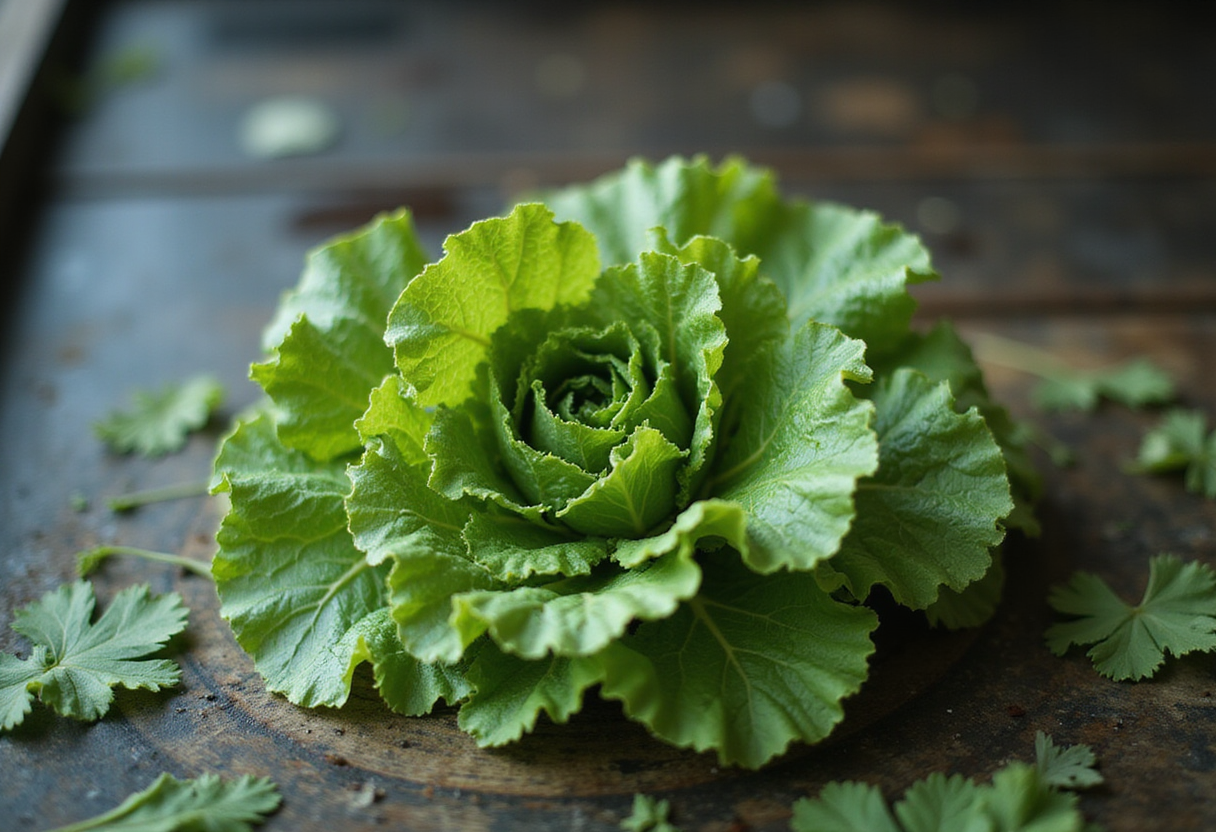
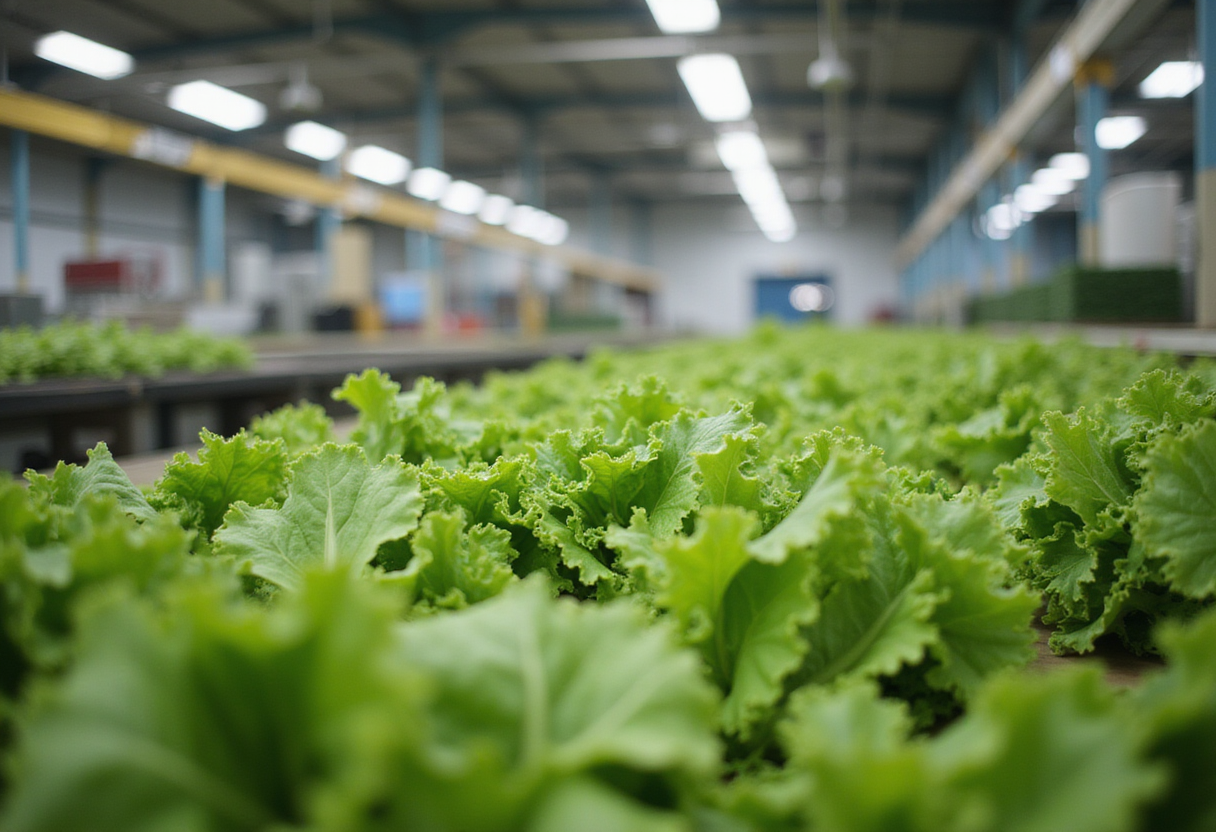
The Food and Drug Administration closed its investigation on Oct. 2 into the largest Cyclospora outbreak in American history, having found the parasite in a wastewater tank leaving the Taylor Farms de Mexico plant that shredded the implicated iceberg lettuce, and in a drainage ditch at a grower that supplied it. The outbreak sickened 12,883 people across 21 states, hospitalized 570 and killed two.
The CDC counted 19,883 laboratory-confirmed cyclosporiasis cases this season — nearly 17 times the prior year. Roughly 7,000 confirmed cases were never tied to any food. The CDC's own burden model assumes about 83 illnesses per confirmed case, putting the true toll in the hundreds of thousands.
The outbreak is over. Nothing that allowed it has changed. Central Mexico's next growing season begins this fall, and the surveillance system meant to catch the next parasite is smaller than the one that missed this one.
The capacity that was cut first
On July 1, 2025, the CDC cut FoodNet, its active surveillance program, from eight pathogens to two, citing budget pressure; Cyclospora was among the six dropped. In March 2025, the Department of Health and Human Services clawed back $11.4 billion from state and local health departments — $8.9 billion of it epidemiology and laboratory grant money states use to chase outbreaks. A federal court restored the funding, but only for the 23 states and the District of Columbia that sued; Ohio, Indiana and West Virginia were not among them.
That same month, HHS announced 10,000 layoffs — 3,500 at the FDA and 2,400 at the CDC — and the Agriculture Department terminated the advisory committee that wrote the government's 2023 Cyclospora report, saving $225,000 a year. The CDC laboratory that genotypes the parasite drew most of its funding from U.S.A.I.D., which no longer exists; HHS says the lab was untouched by layoffs, while its former director says it is missing at least a third of its staff. The FDA laid off staff who plan foreign inspections and was last at the Guanajuato plant in 2019. Congress set a goal of 19,200 foreign food inspections a year by 2016; the agency completed about 1,100 in 2025.
Research funding went the same way. Congress declined to fund two of three Cyclospora projects at USDA's Beltsville center for fiscal 2026. Kalmia Kniel of the University of Delaware and colleagues have asked USDA for roughly $10 million, four years running, to develop a water test for the parasite. The work remains unfunded.
The paperwork clock
The FDA finalized its food traceability rule in 2022, requiring supply chain records within 24 hours, 11 years after Congress ordered it. In March 2025 the administration pushed the January 2026 compliance date to July 2028; the FDA's own analysis, signed by Secretary Robert F. Kennedy Jr., valued the forgone public health benefit at $112 million to as much as $322 million a year, against $73 million in annual industry savings. In November 2025, Congress wrote the delay into law, barring the FDA from spending anything to enforce the rule before 2028.
The cost was visible in July. Michigan's health department asked Taco Bell for its supplier list three times over six days before the FDA had complete records on July 13. Recalled lettuce shipped from June 29 to July 16; twelve of those days went to paperwork the rule would have required in one. Bloomberg reported that when the FDA and CDC gave Taylor Farms until noon on July 16 to begin a recall and the deadline passed, two White House officials convened a call to review the evidence and draft releases, which posted after 10 p.m., naming Taco Bell but not the company. A federal health official put the back-and-forth at sixty hours.
Industry's answer
The International Fresh Produce Association pointed at water, faulting Michigan for dismissing recreational water as a source on July 15, before federal investigators had named a food. On Aug. 20 the CDC said genotyping showed parasites from sick people were genetically related to one another, and the FDA had by then found the organism in the company's own wastewater. Taylor Farms told the New York Times its fecal indicator testing covered all water sources with negative results — but indicator tests detect bacteria, not parasites. Its statement after the FDA finding dropped the grower and said nothing specific about the plant where the positive tank sits.
The category paid. Taco Bell's parent reported U.S. same-store sales down 2 percent through July 27. NielsenIQ recorded fresh lettuce unit sales down 9 percent in one week and 19 percent over two. Chopt's traffic fell 12 percent with no illness ever tied to it. Sweetgreen, which serves no iceberg lettuce and was never linked, cut full-year guidance to a 7 to 8 percent same-store sales decline, citing the outbreak. Economists put the 2018 romaine outbreak's cost at $276 million to $343 million — an outbreak that sickened dozens.
Congress has sent 15 letters, none with a published answer; no committee has held a hearing. The FDA set the 2027 growing season as its deadline for 10 post-outbreak commitments published alongside the investigation's close. Eleven consumer and food safety organizations asked Congress in August to repeal the traceability rider; the produce association and growers support the rule, while retail, grocery, restaurant and distribution associations requested the delay. USDA's economists price Cyclospora at $5.3 million a year, less than a defunded produce-testing program that once ran on $4.5 million.
Marler Clark represents hundreds of people sickened in the outbreak and has filed suits in Ohio, Michigan, Kentucky, Kansas, Missouri and Illinois. The next crop goes in the ground this fall; the question the source poses is whether anything else does.
More from Daniel Okafor
Show full bio
Correspondent covering consumer brands and retail at The Pass Brief.
90 articles