Taco Bell sales recover after summer cyclospora outbreak
Taco Bell’s U.S. same-store sales rebounded after a summer cyclospora outbreak and a 4% third-quarter decline, with loyalty deals and a value menu helping restore demand.
By Elena Vasquez
Taco Bell’s U.S. same-store sales have outpaced the U.S. fast-food industry since the end of September, following a 4% year-over-year decline for locations open at least a year during July-September. Yum Brands, the Louisville, Kentucky-based owner of Taco Bell, reported the improvement to investors.
“We are really pleased with the rapid recovery,” CEO Chris Turner said Tuesday during an investor conference call. His assessment followed a summer cyclospora outbreak linked to lettuce served at Taco Bell locations, which slowed U.S. business. Turner credited weekly app-based deals for loyalty members with helping bring back core users and said the chain’s value menu helped.
What caused the summer disruption?
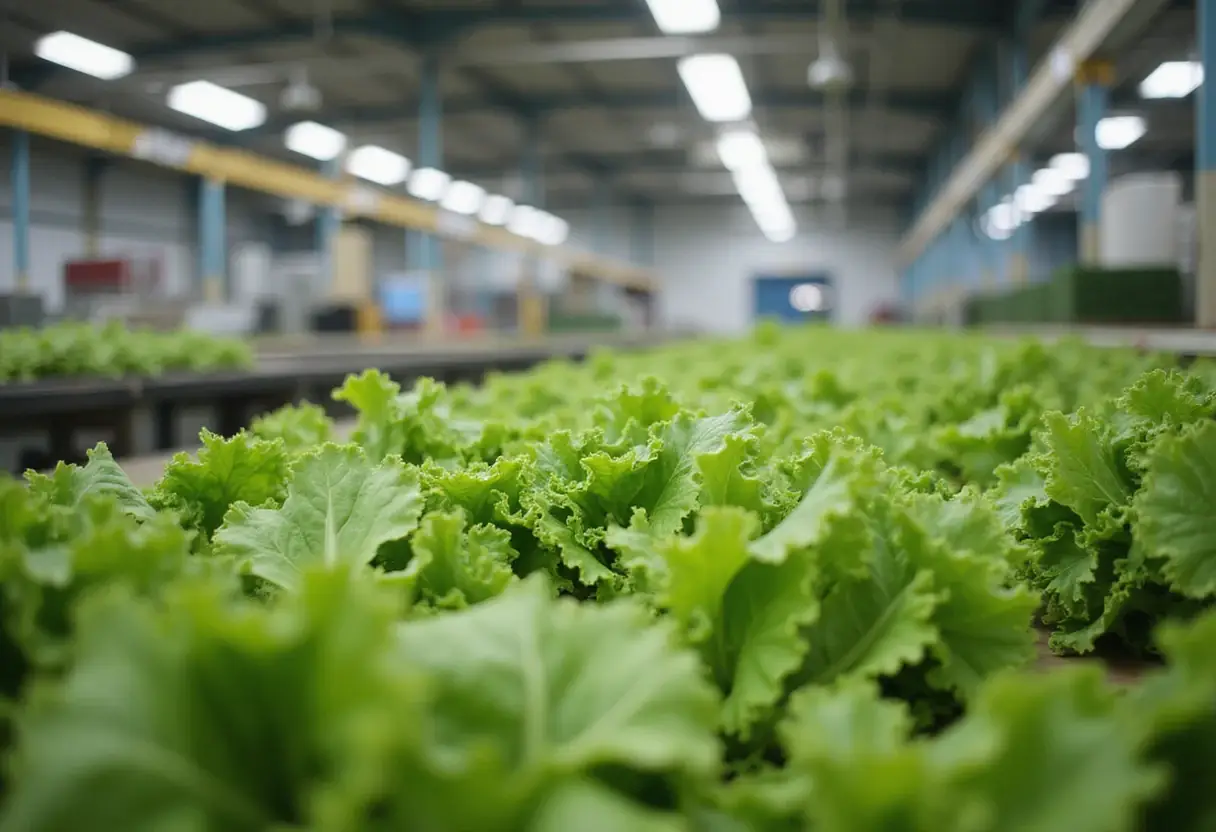
In mid-July, federal health officials identified lettuce from Mexico, served at Taco Bell locations in five states, as the source of a widespread outbreak of cyclospora, a diarrhea-causing parasite.
The Centers for Disease Control and Prevention (CDC) warned consumers not to eat shredded iceberg lettuce from Taco Bell restaurants in Indiana, Kentucky, Michigan, Ohio and West Virginia.
California supplier Taylor Farms recalled iceberg lettuce from central Mexico. The CDC recorded 12,883 related cases across the United States and two deaths. On Sept. 11, the agency declared the outbreak over, providing the formal endpoint for the disruption federal officials had linked to lettuce in mid-July.
The health event showed up in Taco Bell’s quarterly results. U.S. same-store sales fell 4% in July-September compared with the previous year, while international sales climbed 5%. The metric covers locations open at least a year, so the U.S. decline reflects established restaurants rather than openings. Yum did not break out company-operated and franchised results.
The reported figures did not provide a combined Taco Bell sales total, average check or profit figure, so they do not show how the U.S. and international results translated into company performance. The disclosure also did not separate changes in transaction counts from changes in pricing or promotional mix.
What turned the sales trajectory around?
Turner’s two levers—a weekly digital offer for loyalty members and a visible lower-priced choice on the menu—gave Taco Bell routes back to core customers.
The update did not quantify either lever’s contribution, and Yum did not disclose transaction counts, average checks, food costs, labor costs or unit-level margins. The 4% decline and subsequent outperformance therefore cannot be converted into a margin calculation. The disclosed evidence supports a sales and demand explanation, not a finding that restaurant-level profitability improved at the same rate.
U.S. gasoline prices were still averaging more than $4 per gallon because of the conflict with Iran. That backdrop gave the value menu added relevance as consumers weighed restaurant spending against other purchases affected by higher fuel costs. For operators, the value menu and gasoline now sit in the same demand calculation.
What does the recovery change for operators?
For Taco Bell, the practical change is a return to above-industry U.S. same-store performance after a 4% quarterly decline and a food-safety interruption. The disclosed recovery mechanisms are targeted app-based loyalty offers and a value menu.
For operators, that makes digital promotion and menu pricing two measurable parts of the demand response, though the figures do not show their margin effect. It is a demand strategy rather than a disclosed profitability result.
The next test is whether weekly app-based offers and the value menu can retain core users after the outbreak as U.S. gasoline remains above $4 a gallon.
More from Elena Vasquez
Show full bio
News editor covering people, launches and day-to-day practice in Restaurant and hotel operations at The Pass Brief.
622 articles