ALDI Recalls Two Priano Tortelloni Products Over Botulism Risk
ALDI recalls Priano Protein Carbonara and Herb & Cheese Tortelloni, lot T9101926, in four Southern states over possible Clostridium botulinum contamination from temperature abuse. No illnesses reported.
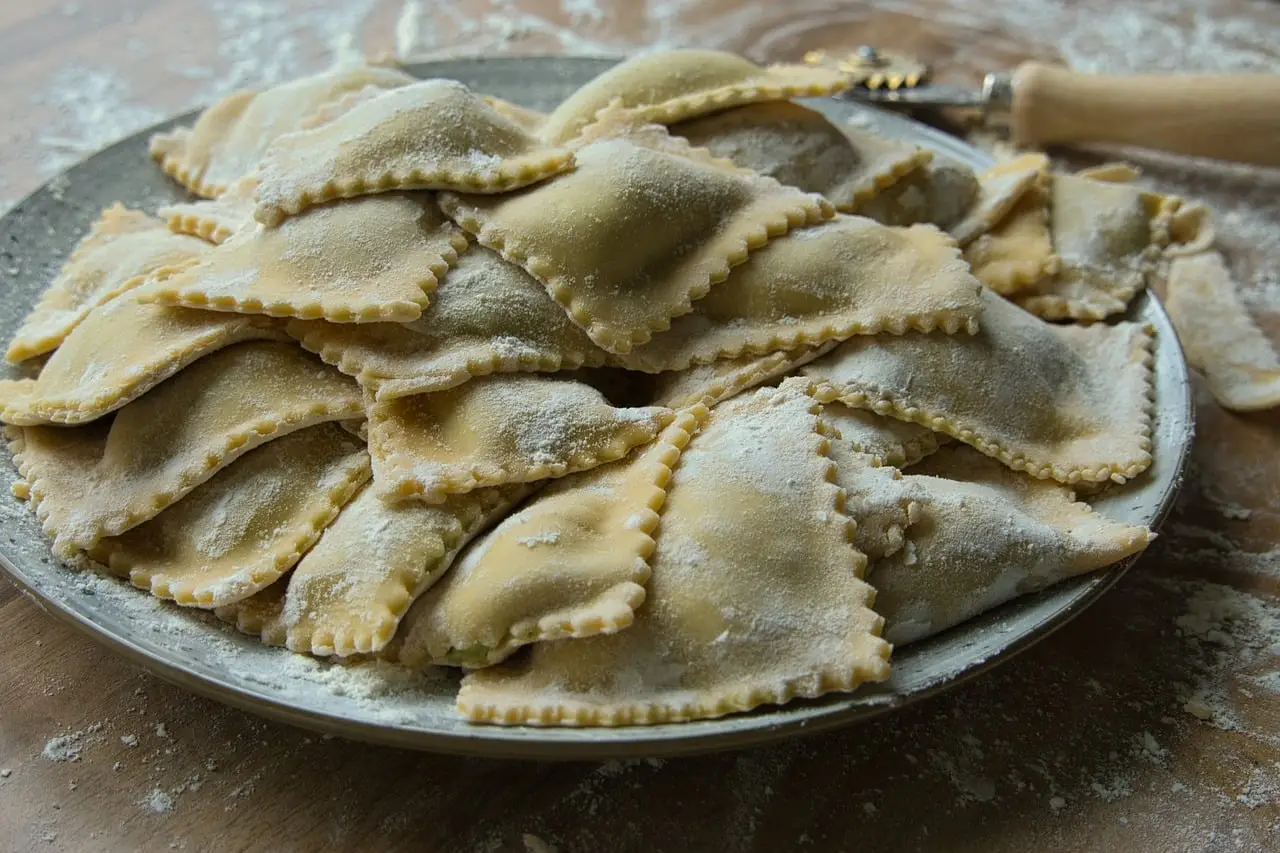
ALDI of Batavia, Illinois, is recalling two refrigerated pasta products — Priano Protein Carbonara Tortelloni and Priano Protein Herb & Cheese Tortelloni — for possible contamination with Clostridium botulinum, the bacterium that causes botulism. Both items carry lot number T9101926 and a best-if-used-by date of 12/18/2026.
The recalled tortelloni sold in 9-ounce plastic packages at select ALDI stores in Alabama, Georgia, North Carolina and South Carolina. Customers could buy them in stores and online from stores in those four states. No illnesses have been reported to the company to date in connection with consumption of the products.
The problem is temperature control, not an ingredient. The products may not have been stored, distributed or sold at appropriate temperatures, conditions that can allow pathogen growth including Clostridium botulinum. Additional product images are posted on the FDA website for identification.
What should customers do with the product?
Anyone who bought either item with the matching lot number and date should not eat it. The recall guidance is explicit on one point: heating will not make the product safe. Botulism spores are highly resistant to heat, and cross-contamination remains a risk even with thorough cooking.
ALDI offers two disposal routes:
- Throw the product away in a secure trash can with a tight lid, after wrapping or double-bagging it so other people cannot see it.
- Return it to the store of purchase for a full refund.
The double-bagging instruction reflects a known hazard of botulism recalls. Discarded contaminated food can sicken people or animals who retrieve it. A tight lid and opaque wrapping reduce that exposure.
What are the symptoms to watch?
Botulism is a medical emergency. Anyone who ate either product should monitor themselves for symptoms for 18 to 36 hours after consumption. If symptoms appear, the guidance is direct: get to an emergency room.
The symptom window cited in the recall matches typical botulism onset, which can range from hours to several days depending on exposure. The 18-to-36-hour monitoring period is a minimum vigilance standard, not a guarantee of safety beyond it.
What is not yet known?
The recall notice does not say how long the products sat outside safe temperatures, or at which point in the supply chain the breakdown occurred. ALDI has not disclosed whether the issue involved a distributor, in-store refrigeration or transport. The four-state scope suggests a regional distribution problem, but the company has not confirmed the cause.
The notice also does not state how many units reached shelves or how many were sold online. Without unit counts, the recall's actual exposure remains unmeasured.
The absence of reported illnesses is the strongest fact in ALDI's favor so far. That status holds only until someone who bought lot T9101926 eats a package stored warm, so the recall's success will depend on how quickly customers in those four states check their refrigerators and act.
More from Marcus Bennett
Show full bio
Market editor covering technology and product news in Restaurant and hotel operations at The Pass Brief.
798 articles