Bojangles Slows Development Pace to Infill Markets on Path to 1,100 Units
Bojangles hits 900 units early next year and targets 1,100, but is slowing new-market entries while dropping bone-in chicken and chasing under-30 breakfast customers.

Bojangles is on pace to reach 900 locations early next year, and its five-year plan targets 1,100 units — but the chain is deliberately slowing new-market development to fill in recently entered states first.
Brooks Speirs, the chain's vice president of franchise sales, outlined the strategy at the Restaurant Finance and Development Conference in Las Vegas this week. After two record years of store openings, Bojangles is easing off the gas pedal.
"Instead of having two stores [in one market], let's get to five before we go in a brand new market," Speirs said. "[We're] a bit more focused on slowing down."
The priority states are Florida, Texas, Arizona, Ohio, Pennsylvania, Kentucky and New York. Building density there, Speirs argued, comes before entering additional markets.
What comes off the menu in new markets?
Bojangles has pulled bone-in chicken from menus in its new markets while retaining it in its historic Carolinas and Georgia footprint. The reason is demographic. Consumers under 30 are unlikely to order bone-in chicken, Speirs said.
The move repositions the chain. In the South, Bojangles competes with KFC and Popeyes. Nationally, it wants to be measured against Raising Cane's and Chick-fil-A. Speirs noted that boneless fried chicken carries a perceived health advantage over bone-in — a perception, not a proven fact, and he treated it as such.
"Perception's reality, so whatever they want to go with, we're gonna sell," Speirs said.
The operational math favors the shift. Bone-in chicken requires an 18-minute fry time; tenders take five minutes. Mixed bone-in orders drag down drive-thru speed.
"When someone comes through the drive-thru and they order two thighs, one breast, one leg, one wing, speed of service struggles," Speirs said.
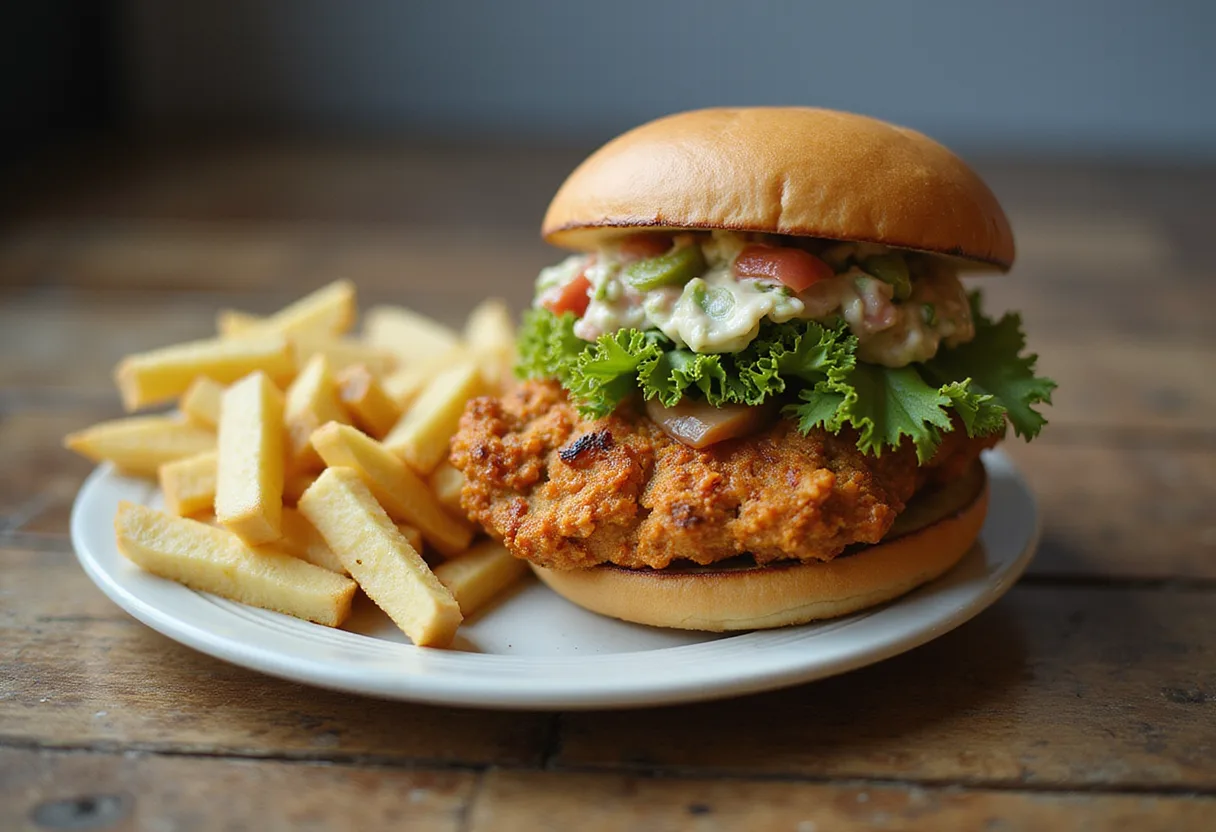
Bojangles has also redesigned its tenders for new markets: a hand-breaded product with a marinade, engineered so that consumers would not need a sauce, though dipping sauces remain on the menu. The chain did not disclose what the reformulation cost franchisees or how it affected food costs.
Can breakfast travel beyond the Carolinas?
Breakfast remains the chain's anchor. In the Carolinas, 40% of Bojangles' business is done before 11 a.m. Outside those markets, fried chicken is not a natural breakfast choice, and the chain has had to spend on marketing to change that.
The spending worked, at least partially. Roughly 25% to 30% of sales in new markets come during breakfast hours — below the 40% home-market share, but a meaningful beachhead. Long-term growth in the daypart could give Bojangles an edge over QSRs that lack breakfast menus or de-emphasize morning sales.
Breakfast also dictates real estate. Speirs was blunt about site criteria.
"If you're going to be in breakfast, the consumer has to have a right [turn] in and a right [turn] out," Speirs said. "If the consumer has to go left, left, left it's over."
Who is the new customer?
In the Carolinas, Bojangles' customers skew older and blue collar, with regional loyalty keeping the brand top of mind. Elsewhere, that same demographic is contested by similarly entrenched regional players. So Bojangles is chasing the under-30 consumer and young families instead.
"Young people want convenience. They want hot, fresh food. They want food that they feel is better for them or good for them," Speirs said.
Notably, Speirs said the way to win that cohort is to avoid discounting. Younger consumers will pay for a perceived premium product, he argued — a stance that protects franchisee margins where heavy value wars have eroded them elsewhere in the QSR sector.
The bet carries risk. Neither the new-market sales mix nor the marketing spend was quantified, and the 1,100-unit target assumes breakfast habits and boneless preferences hold. Still, with morning daypart rituals tending to lock in repeat behavior, Bojangles is wagering that customers won in their twenties stay for decades.
More from Marcus Bennett
Show full bio
Market editor covering technology and product news in Restaurant and hotel operations at The Pass Brief.
829 articles