Blackbird's FlyCard Works Anywhere, and 100 Fly Points Equal $1
Blackbird's free FlyCard Visa works at any restaurant, paying 2x Fly per dollar. Plus: Popmenu's video menus, Tucker to Provi, SpotOn en Español, Sauce-Grubhub, DoorDash insurance.
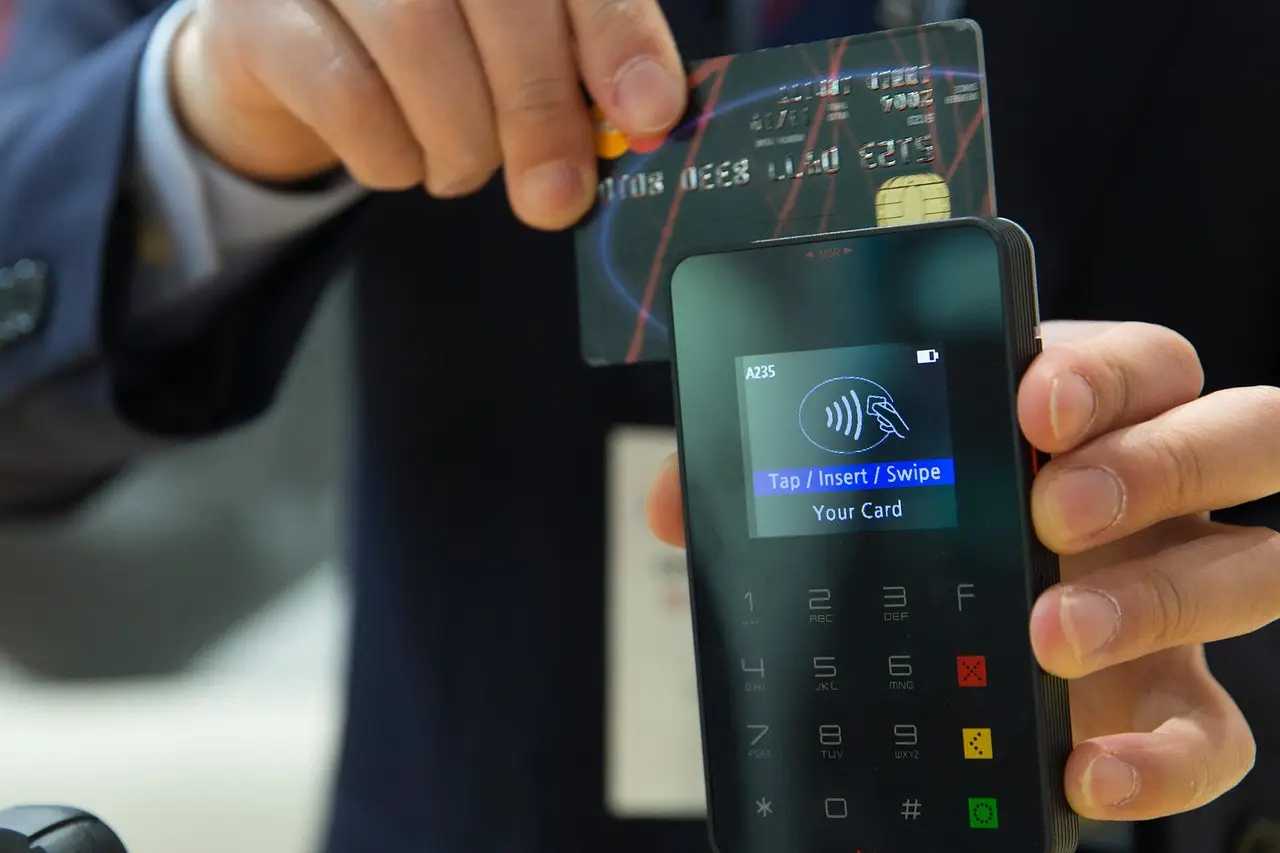
Blackbird, the restaurant loyalty network founded by Resy and Eater co-founder Ben Leventhal, has launched FlyCard — a free Visa debit card that customers can use at any restaurant, not just the roughly 1,500 spots in the Blackbird network. There's no spending limit and no credit check. The only gate: users must have the Blackbird app.
The card runs on Fly, Blackbird's loyalty points that double as digital currency, at a fixed rate of 100 Fly to $1. Paying with the FlyCard earns at least 2x Fly per dollar spent, and accumulating more Fly unlocks additional benefits within the network. Spending data feeds Birdie, a new AI tool inside the Blackbird app that learns user preferences and recommends new restaurants in the network.
For operators, the pitch is data-rich repeat traffic without the interchange and integration burden of building loyalty in-house. For Blackbird, it's a bet that its currency can travel beyond its own walls.
What else slipped through October's cracks?
October stuffed roughly four months of restaurant tech headlines into four weeks: Uber agreed to acquire ezCater, DoorDash moved to buy Instacart, Olo launched its own ordering app, and the FTC sued Toast. Smaller announcements still landed, and several matter to operators' daily economics.
Popmenu brings TikTok to the menu. The software company's new Spotlight Menu lets restaurants add a social-media-style vertical feed to their own websites. Each menu item can carry a vertical video with customer reviews, dish details, and a live stat: how many times that dish was ordered that week. Customers can add the item to their order straight from the video. Popmenu says the format should also boost restaurants' visibility in Google and AI-based searches — a menu-engineering play aimed at discovery rather than just aesthetics. More than 12,000 restaurants worldwide use Popmenu, which built its brand on interactive, reviewable digital menus.
Tock's former chief takes over Provi. Restaurant tech veteran Matt Tucker announced he is now CEO of Provi, the online alcohol marketplace founded in 2016. In a LinkedIn post, Tucker said Provi has an opportunity to bring the alcohol supply chain fully online. The platform currently serves about 50,000 restaurants and retailers, 1,400 distributors, and 1.4 million products. Tucker spent nearly seven years leading reservations platform Tock and left in May after Tock's owner, American Express, began migrating the service to Resy. Before Tock, he spent eight years as president and COO of Olo.
SpotOn goes bilingual. A new feature, SpotOn en Español, lets restaurant employees toggle the company's POS, kitchen display system, back office, and timeclock between English and Spanish. Each device can be programmed individually by whoever is using it. SpotOn calls it the most comprehensive in-product Spanish offering for U.S. restaurant staff, based on its evaluation of comparable products from Toast, Square, and Clover. The target audience is substantial: about 21% of restaurant employees speak Spanish at home, according to SpotOn. In an industry where training costs and turnover dominate labor budgets, cutting language friction is a direct labor-percentage lever.
Sauce connects to Grubhub couriers. Online ordering provider Sauce now integrates directly with Grubhub, letting restaurants funnel first-party web orders to Grubhub's delivery fleet. The companies say the handoff will smooth operations and help restaurants grow first-party delivery, where operators keep the customer data and avoid third-party commissions on the order itself. Sauce also becomes a preferred online ordering supplier for Grubhub-using restaurants.
DoorDash sells insurance now. The delivery company has begun offering Business Owners' Policy insurance — general liability plus commercial property coverage, typically a licensing requirement for restaurants. DoorDash claims better coverage and rates than traditional insurers, a faster application using data already in restaurants' accounts, and help canceling existing policies. It extends a pattern: beyond delivery, DoorDash already sells business loans, online ordering, websites, reservations, and marketing services.
What does this change for operators? More of their tech stack — payments, menus, beverage ordering, staff tools, insurance — is consolidating under a handful of platforms, and October's deals suggest that consolidation is accelerating into 2026.
More from Daniel Okafor
Show full bio
Correspondent covering companies, deals and strategy in Restaurant and hotel operations at The Pass Brief.
575 articles