Booking Holdings Commits $100M to a Second AI Assistant in 30 Days
Booking Holdings has earmarked $100 million for Vayo, its second consumer AI assistant launched within 30 days of Lola. A Skift columnist calls the pace 'launchitis'.
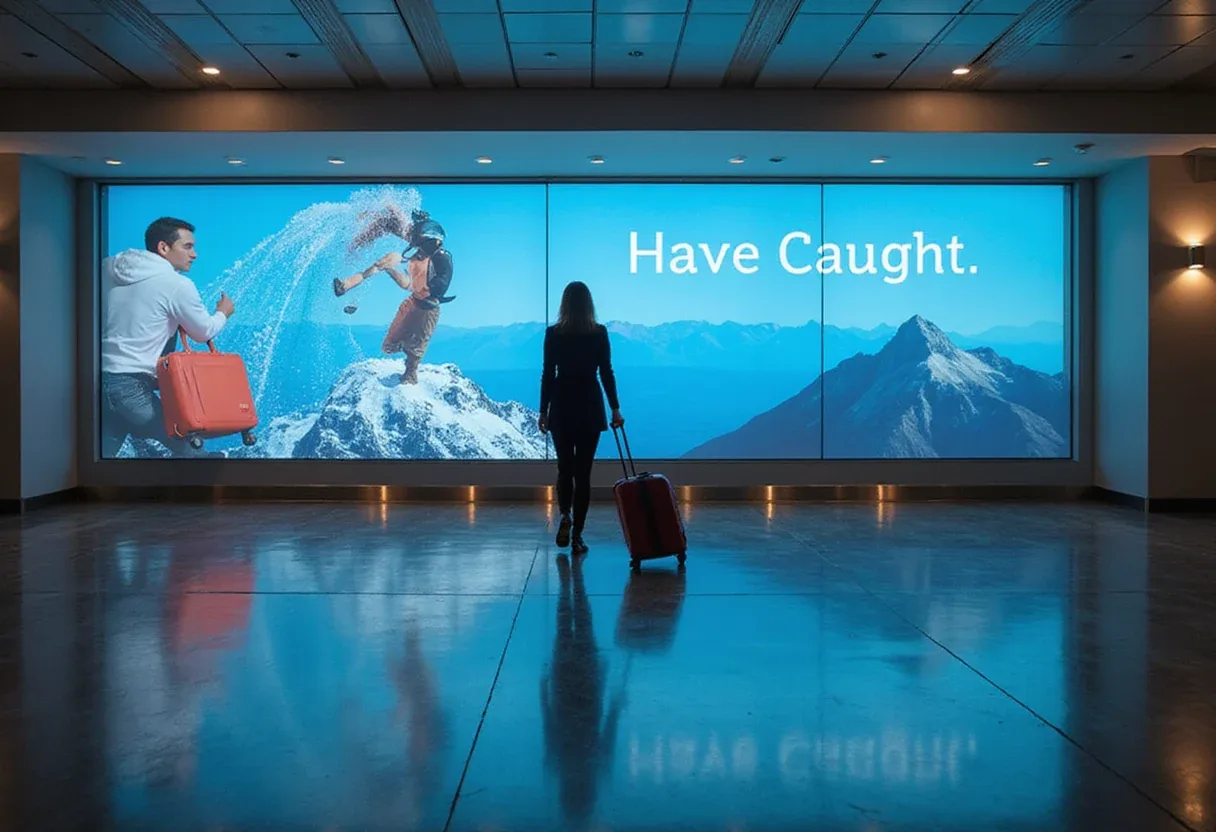
Booking Holdings has earmarked $100 million for a second consumer AI travel assistant inside 30 days. The pace has produced a condition a Skift columnist has labeled "launchitis."
Lola, the group's new consumer concierge, arrived in late September. Vayo entered private beta on October 14, carrying the planned nine-figure commitment. Each sits alongside separate AI workstreams at Booking.com, Priceline, Agoda, and Kayak — four consumer brands under the same parent.
How many assistants does one traveler need?
The answer, so far, is more.
Muse and Instinct now pitch travel as a headline use case for their general assistants. Sonder co-founder Francis Davidson introduced Odessia in June and relaunched it this week as an always-on concierge the user simply texts. The product moved from introduction to relaunch in under four months.
Suppliers have entered from the other direction. Accor, Hyatt, Hilton, Booking.com, and Expedia each operate an app inside OpenAI's ChatGPT platform. Google's AI Mode in Search now lets U.S. travelers find and book hotels inside a single conversation with the search engine.
What does $100 million actually replace?
Booking Holdings has not named the product Vayo will displace. The capital is a substitution bet — agents, search pages, the Booking.com front door — that has not yet closed.
The early economics work against the convenience pitch. Each new assistant asks the traveler to begin again. Register. State preferences. Join a waitlist. The promise was less work. The product, so far, adds more steps. The cost of that onboarding sits in marketing budgets Booking has not disclosed.
Why chat may be the wrong medium for hotel shopping
Text handles narrow tasks well. Rebook one flight. Confirm a reservation. Request a late checkout.
Hotel selection is rarely narrow. Travelers compare maps, photographs, and side-by-side pricing across dates and brands. Chat windows deliver few of those inputs.
Brian Chesky, Airbnb's chief executive, told the Skift Global Forum that his company's forthcoming agent would be "much richer than a chatbot." The comment read as a direct rebuttal to the text-first approach now crowding the category.
What operators should track next
Hotel operators (gross operating profit margins averaging near 25 percent in full-service U.S. properties, per industry benchmarks) face a quieter question.
The unfashionable alternative, as the source column argues, is to improve the existing booking flow and launch nothing. For multi-brand operators, the strategic choice narrows: build an in-house conversational booking layer, or wait for a supplier-side app inside ChatGPT, Google, or one of the four Booking Holdings brands to claim the trip.
Booking Holdings, for its part, has now placed two consumer AI bets inside a single quarter. Neither carries a launch anniversary yet. The market will render its verdict before either reaches one.
More from Rebecca Stone
Show full bio
Senior reporter covering technology and product news in Restaurant and hotel operations at The Pass Brief.
437 articles