€95M Expansion Tests Lanserhof's Bet on Medical Restraint
Lanserhof's €95M investment funds a 2027 Marbella resort and global sites by 2030. Its model: 8-10 doctors and 50-60 therapists for 60 guests, with CCO Eva-Maria Hasenauer naming dilution as the top risk.

Lanserhof runs 8-10 doctors and 50-60 therapists for roughly 60 guests at a typical resort — a staffing ratio closer to a small hospital than a spa. Now a €95 million investment will test whether that labor-heavy model survives a growth push that runs through Marbella in 2027 and locations beyond Europe by 2030.
The Austrian group opened its first property in 1984 in Lans, outside Innsbruck, built on a philosophy of gut health and regeneration. It now operates medical health resorts at Tegernsee and on Sylt in Germany, plus city clinics in London and Hamburg. Guests stay an average of eight days, with some staying several weeks.
What does Lanserhof actually sell?
Chief Commercial Officer Eva-Maria Hasenauer frames the product as judgment, not add-ons. As the hotel industry piles into longevity — cryotherapy chambers, IV drip menus, ever-longer diagnostics lists — Lanserhof is betting its value lies in deciding which of those things a particular person actually needs.
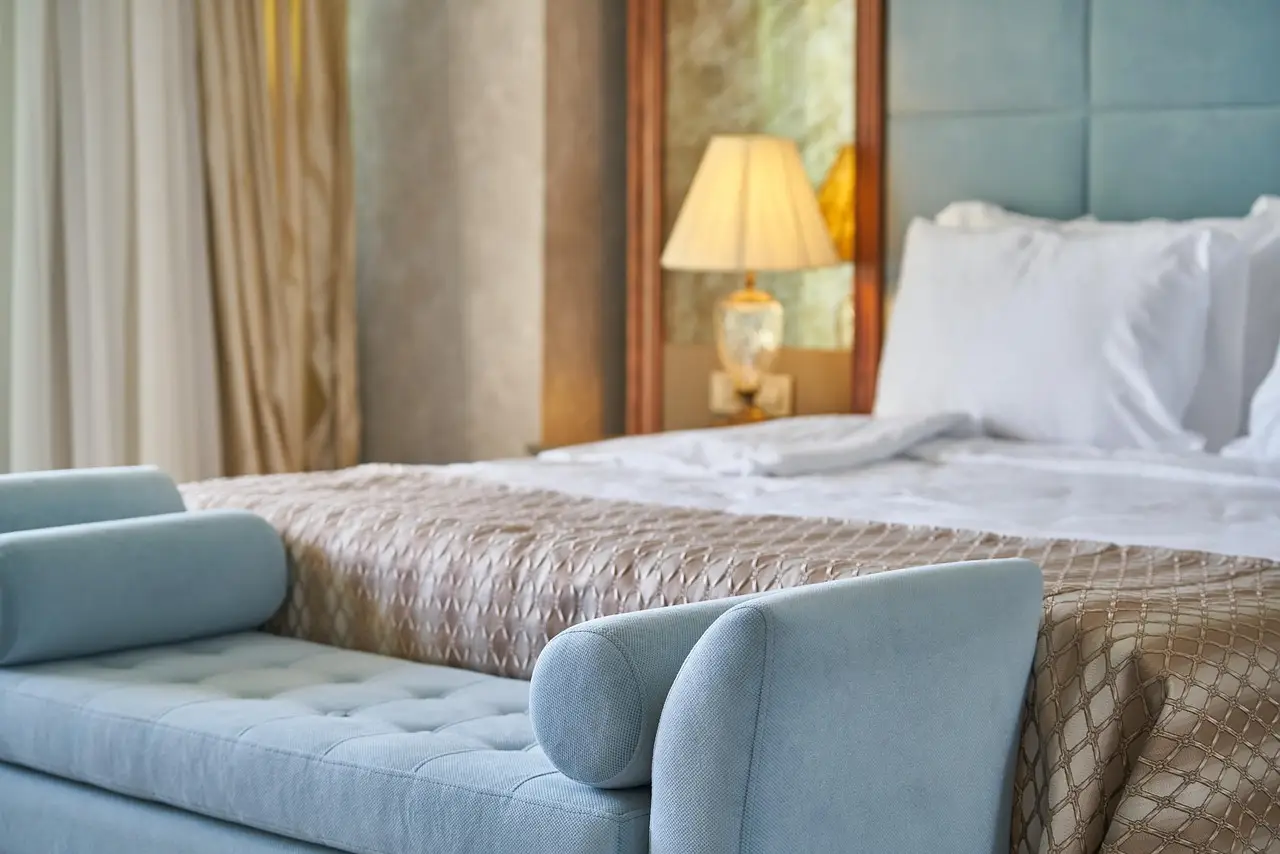
That has a direct revenue consequence. Personalized medicine often means "less revenue, so less products," Hasenauer said. She puts the foundations — sleep, nutrition, and movement — ahead of what she calls "fancy longevity." In other words, the model is closer to a hospital with very high thread counts than a spa with a doctor on call.
The unit economics explain the restraint. A resort carrying 8-10 doctors and 50-60 therapists against a capacity of about 60 guests runs a cost base most wellness operators would reject outright. That's roughly one clinical staff member per guest. Selling fewer treatments only works if the per-guest price and the length of stay carry the payroll — which an average eight-day stay is designed to do.
GLP-1 drugs are rewriting the guest profile
The demand side is shifting too. Weight loss once drove much of Lanserhof's appeal, according to Hasenauer. Now some guests arrive already on GLP-1 medication, and their questions have changed: side effects, muscle and bone loss, and long-term use.
That's a menu-engineering problem as much as a medical one. Programs built around weight loss lose their anchor when the drug does that work, and the resort has to layer diagnostics and therapeutic programming onto a guest who arrives with a different clinical question.
What does the €95 million change?
The investment, with existing shareholders retaining a majority, funds international expansion and medical innovation. The first milestone is a resort outside Marbella, due in 2027, followed by more locations beyond Europe by 2030.
Hasenauer is candid about the main risk: dilution. Standardize the business until the individual guest becomes secondary, and the differentiator disappears. For a group whose pitch is knowing what a guest needs — and what they don't — every new property multiplies the difficulty of holding that line.
The expansion, in short, turns a clinical staffing model into a scale question. Whether 60-guest resorts with 60-plus clinicians can be replicated outside Europe without becoming the standardized wellness product they're positioned against is what the next five years will decide.
More from Olivia Hart
Show full bio
Staff writer covering regulation, policy and their impact on Restaurant and hotel operations at The Pass Brief.
558 articles