Longevity Is the New Spa Renovation. Hotels That Blur It Will Pay.
Longevity is hospitality's top buzzword for 2025–2030, but analysts warn it is not wellness. Operators must pick a lane or face commoditization as recovery clubs multiply weekly.
Longevity is the top hospitality buzzword of 2025–2030, and the authors of a new industry analysis argue that most hotels deploying it are making the same mistake spas made a decade ago.
The piece, framed as guidance for owners, developers and operators building "health-driven hotel revenue models," draws a hard line between wellness hospitality and longevity hospitality. The two overlap extensively, it concedes, but they run on "fundamentally different tracks." Properties that refuse to choose, the authors write, risk commoditization in a market that is "only bound to get even more crowded."
The parallel is unflattering and precise. Ten years ago, hotels repositioned spas as wellness centers by adding yoga classes, ritual elements and healthier F&B options — enough, at the time, to signal alignment. Today the cycle repeats with longevity, "only on steroids": cold plunges, infrared saunas and red-light therapy devices layered with longevity language over existing wellness concepts. A recovery club with touchless welltech (equipment requiring no staff handling), the authors note, now opens "every week." It is no longer special.
What separates the two models?
Wellness hospitality is holistic and sensory-driven: relaxation, movement, nutrition, mindfulness, sleep quality and emotional restoration, aimed at vitality, balance and stress reduction. Longevity hospitality leans on evidence-based optimization — biomarker analysis, diagnostics, data collection, recovery protocols and measurable outcomes, all rooted in physiology and preventative health science. One sells atmosphere and escape. The other sells targeted performance enhancement and long-term "healthspan" optimization.
The authors illustrate the gap with a guest presenting chronic low back pain. A wellness approach prescribes massage, better sleep, yoga, mobility work and anti-inflammatory cuisine. A longevity approach asks analytical questions first: Is the pain musculoskeletal or systemic? Are inflammatory markers elevated? Would nutrition timing, circadian rhythm disruption or gut health patterns explain it? Measurement and root-cause analysis replace generalized restoration.
Who is already in the clinical lane?
A new category is crystallizing: Health & Longevity Integrated Resorts (HLIRs), described as multidisciplinary environments blending hospitality with medical science, fitness, nutrition, recovery and behavioral health programming, designed around measurable guest outcomes. Named leaders in the "biomarker optimization resort" segment: Lanserhof, Canyon Ranch, SHA, Clinique La Prairie, TheLifeCo, RAKxa Integrative Wellness and Chenot Palace.
But the authors flag a structural constraint. Functional medicine practitioners are in short supply, and the HLIR niche "may have a cap." The terminology, technologies and methodologies are far more specialized than traditional wellness operations. Owners, they write bluntly, cannot simply purchase trendy equipment and expect guests to perceive meaningful value.
Is the middle path the bigger prize?
Here the argument turns practical. One of the greatest opportunities may lie in blending wellness and longevity in "thoughtful, creative and non-medical ways," the model pursued by The Ranch, BodyHoliday, Lily in the Valley and Kamalaya Wellness Sanctuary. Most travelers, after all, are not seeking invasive diagnostics on every stay.
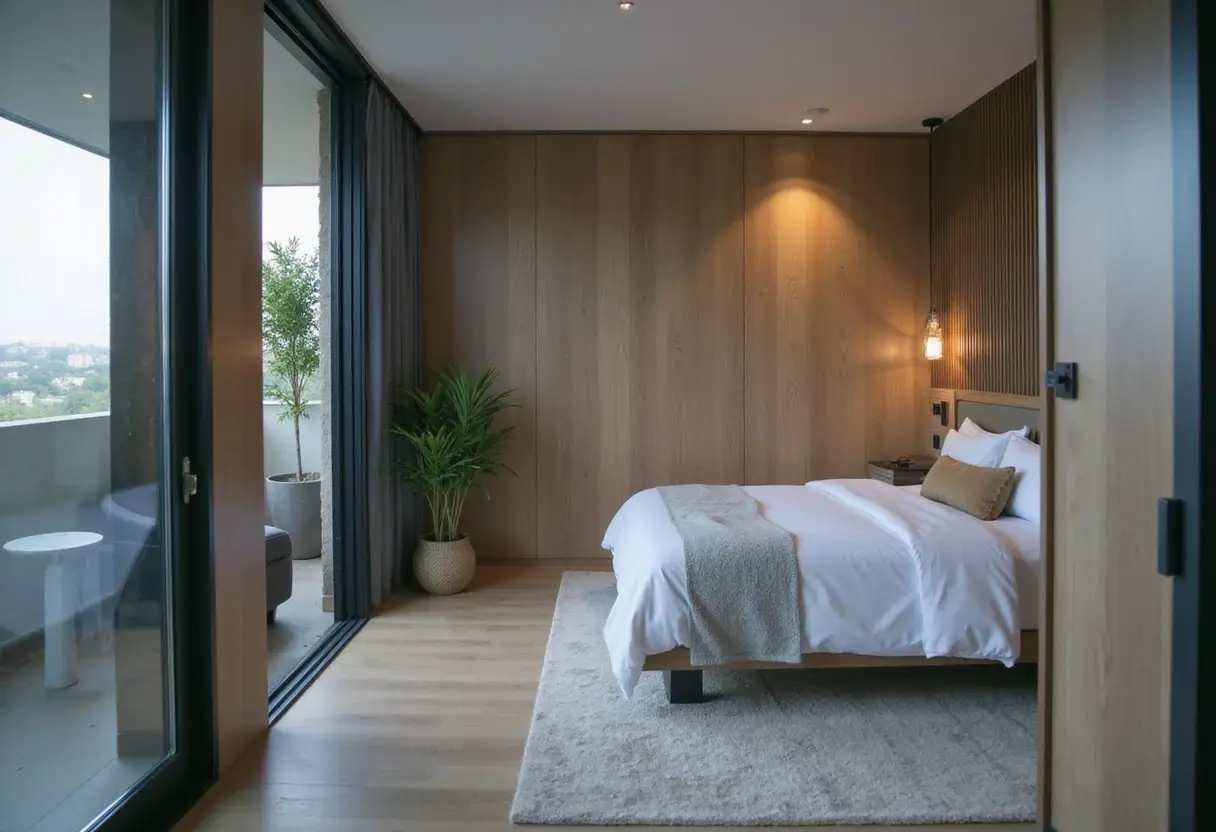
The authors sketch what integration looks like without a clinic: guestrooms optimized for circadian lighting, air quality and sleep recovery; recovery-focused fitness spaces; advanced thermal bathing circuits; nutrition programs informed by modern metabolic science. Evidence-backed methods, delivered so the experience feels restorative rather than clinical.
What is the verdict for owners?
The winners, the authors predict, will not be those who "slap on the longevity label and deploy some epigenetic or blood proxy screenings." They will be operators who understand the science of the "human bodymind," define positioning clearly, and build experiences that feel authentic rather than interchangeable. Wellness brings emotional engagement and accessibility; longevity brings rigor, personalization and measurable value. The future, in their formulation, belongs to properties that harmonize both — before the label loses its pricing power.
More from Rebecca Stone
Show full bio
Senior reporter covering technology and product news in Restaurant and hotel operations at The Pass Brief.
556 articles