Wooden Key Cards Move From Novelty to Sensory Strategy
Hotel key cards are handled several times daily, yet touch remains hospitality's most underdesigned sense, argues GCSTIMES, citing 2009 research on tactile ownership and wood-interior studies.
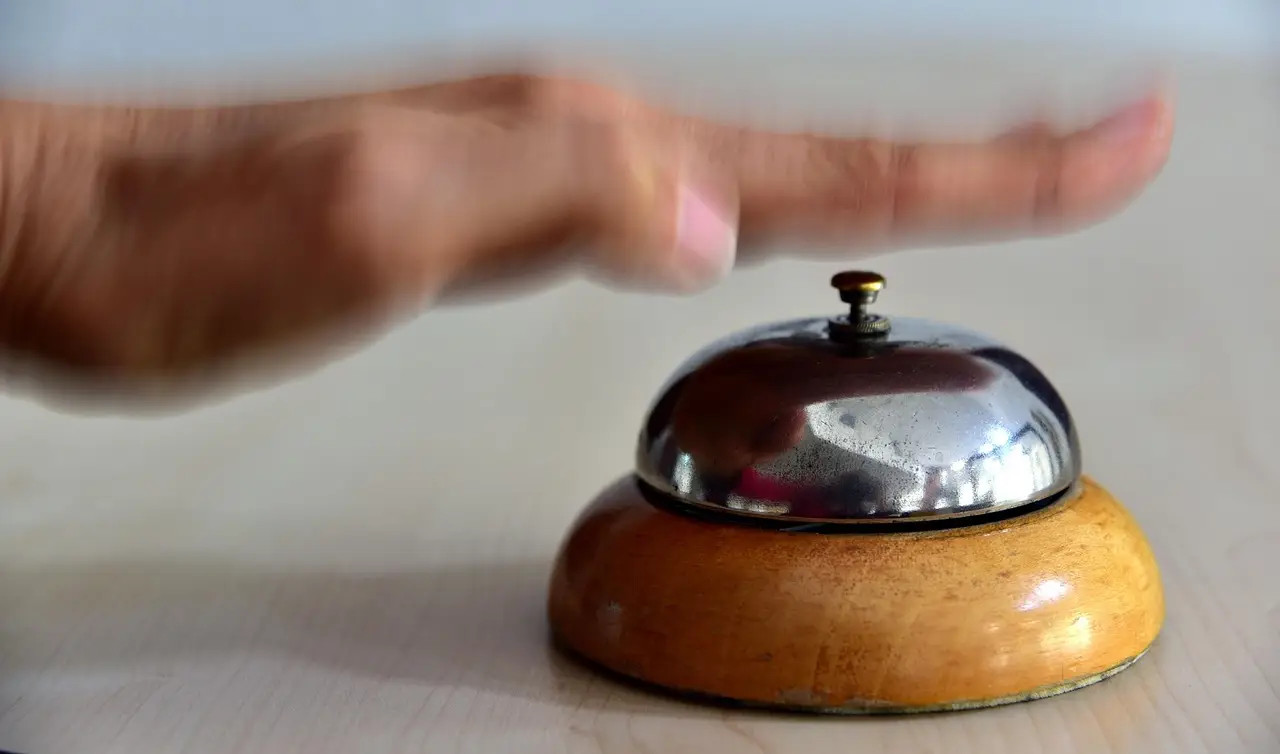
The hotel key card may be handled several times a day, making it one of the most frequently touched objects in the entire guest journey — and, according to GCSTIMES, one of the most underdesigned.
The sustainable smart-card manufacturer, founded in 2011, argues that touch is the sense hospitality most consistently ignores. Hotels specify fragrance notes, lighting temperatures, playlists and color palettes with precision. The objects guests actually hold — key cards above all — rarely get the same scrutiny.
What does the research actually say?
The behavioral case rests partly on work by Joann Peck and Suzanne B. Shu, published in the Journal of Consumer Research in 2009. Their experiments found that merely touching an object increases consumers' perceived ownership of it, which in turn raises willingness to pay. The finding cuts both ways: an unpleasant tactile experience reduces perceived value.
A key card is not merchandise. But its material, texture and weight still communicate attention to detail — or the absence of it — every time a guest opens a door.
Why frequency beats intensity?
Most sensory investments in hotels are location-bound. The signature scent lives in the lobby, the playlist in the bar, the artwork in the corridors. A key card, by contrast, travels with the guest — into the elevator, the spa, the gym, back to the room.
That mobility converts a functional exchange into a recurring brand impression, according to GCSTIMES. The company concedes that whether repeated tactile exposure strengthens emotional connection over a full stay remains untested and warrants future research. The honest hedge is noted, and rare.
How much wood is the right amount?
A separate study complicates any assumption that more natural material is automatically better. Published in the Journal of Wood Science in 2007, Yuko Tsunetsugu, Miyazaki and Sato examined how varying levels of wood presence shape perceptions of indoor spaces.
The results favor restraint:
- Rooms with moderate wood coverage, roughly 45%, scored higher in guest evaluation.
- Rooms with very high coverage, around 90%, were rated less favorably.
- Related research points to possible restorative effects, including changes in heart-rate variability and cortisol levels.
The findings do not prove wood universally calms people. They do suggest natural materials shape atmosphere, but only when incorporated thoughtfully.
The design logic follows scale. Wooden wall panels, natural furniture and organic decorative elements establish a property's aesthetic. A wooden key card extends that material identity into the guest's hand — a portable fragment of the design philosophy.
Who supplies the cards?
GCSTIMES, which evolved from smart-card R&D into sustainable material innovation, holds FSC certification (FSC C148965) and an EcoVadis Silver Medal. Its brand portfolio includes GCS, AUROkeys, Xenyra and Glint Spot, covering sustainable smart cards, custom-shaped key cards, sustainable supplies, cultural gifts and bespoke design services.
The company frames the product within a broader trend it calls feelings-first travel: travelers choosing destinations based on how they want to feel. Under that logic, every interaction after booking is a chance to reinforce an emotional promise.
A wooden key card will not transform a stay on its own. As a low-cost, high-frequency touchpoint aligned with sustainability mandates and design-led positioning, it offers operators a rare combination — and one that competitors relying on standard PVC have not yet priced in.
More from Rebecca Stone
Show full bio
Senior reporter covering technology and product news in Restaurant and hotel operations at The Pass Brief.
743 articles