Booking.com’s 2027 vibe forecast spotlights five-sense hotel design
Booking.com’s 2027 “Vibe Check(In)” forecast anchors a five-sense hotel design thesis linking emotional needs to materials, service, menus and guest journeys.
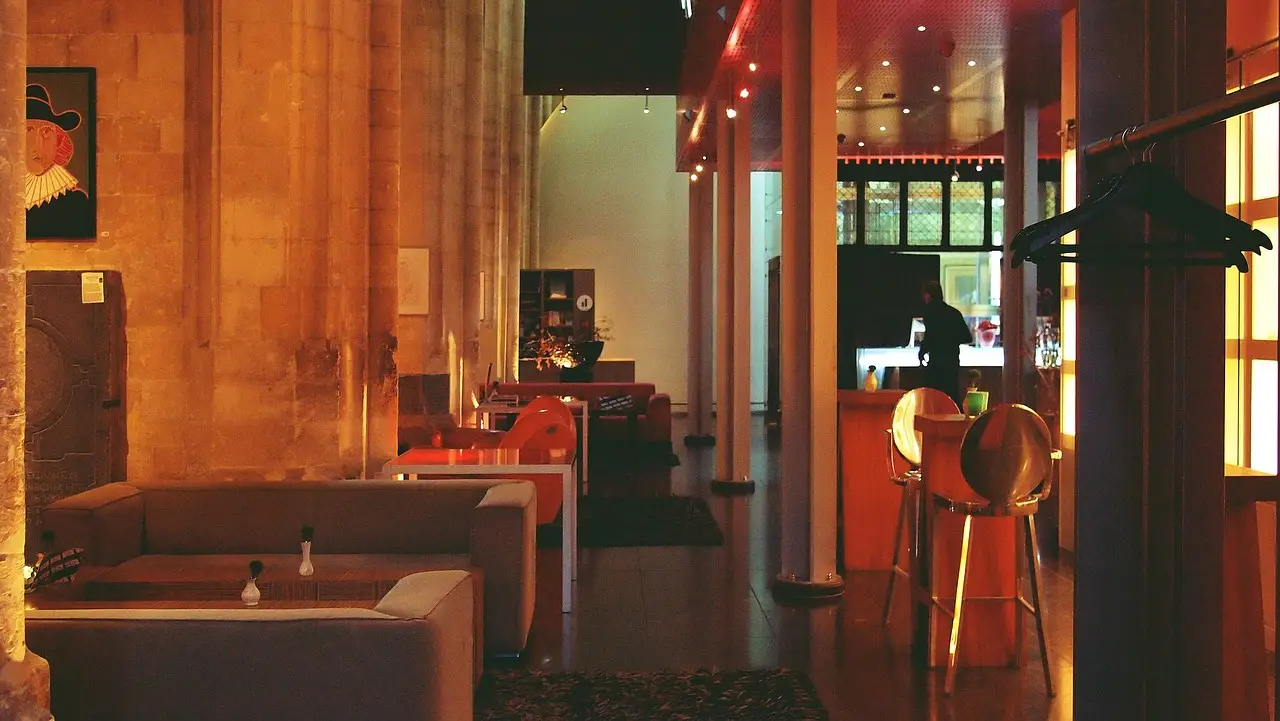
Booking.com’s 2027 Travel Predictions include one revealing phrase: “Vibe Check(In).” The hospitality analysis argues that travelers increasingly choose destinations by the feeling they want. The analysis says hotels can translate that emotional aspiration into tangible guest experiences.
The financial proof is not yet there. It provides no occupancy, average daily rate, check average, labor share, cost of goods or capital budget. That is a notable omission for an operator-facing argument.
What does “Vibe Check(In)” change for hotels?
The forecast frames emotional fit as part of destination selection, rather than an extra amenity. The analysis says beautiful locations and impressive facilities cannot carry the stay by themselves. Experience design, sensory stimulation and carefully curated environments become the proposed tools for delivering that promise.
How do pleasure and meaning shape guest value?\n
Hedonic well-being, meaning pleasure, comfort and positive feeling, covers experiences such as an exceptional spa treatment, a luxurious bed, dining at an outstanding restaurant or relaxing beside a private pool.
Eudaimonic well-being, meaning personal growth and fulfillment, covers immersing oneself in another culture, reconnecting with loved ones, learning a new skill or gaining fresh perspectives through travel.
The analysis says both forms apply to travel. Comfort and indulgence remain essential to luxury positioning, yet they may not create deeper emotional connection alone. Experiences fostering personal discovery, meaningful relationships and purpose can add another layer. Combining the two can create more memorable stays.
How does the physical setting affect behavior?
Environmental psychology supplies the second perspective. The Stimulus–Organism–Response (S-O-R) model traces how environmental stimuli influence internal emotional states and, consequently, behavior.
The analysis treats lighting, fragrance, artwork, furniture, music, temperature, spatial layout and interactions with staff as relevant stimuli. The framework says these can influence whether guests feel relaxed, excited, welcomed or uncomfortable, potentially shaping how they engage with the property and its services.
Mary Jo Bitner’s servicescapes examines how physical surroundings in service environments influence both customers and employees.
Which sensory details carry the promise?\n
The practical application is sensory marketing, the study of how stimuli influence perception, emotion and consumer behavior. Hotels have long incorporated sensory details into design and service delivery to establish a distinctive identity and create memorable experiences.
- Smell: Signature fragrances, fresh flowers and natural aromas can create emotional associations and reinforce a hotel’s identity.
- Sight: Artwork, lighting, color palettes and views of natural landscapes shape visual perception and communicate atmosphere.
- Touch: Natural wood key cards, textured fabrics, quality bedding and soft towels contribute to perceived comfort and material quality.
- Hearing: Background music, water features, natural soundscapes and acoustic insulation help establish the intended atmosphere.
- Taste: Welcome drinks, local delicacies, signature desserts and regional cuisine create culinary memories and strengthen the connection with the destination.
The objective is coherence, not a sensory pileup. A resort promising tranquility should combine subtle fragrances, natural materials, soft lighting, soothing sounds and spaces that encourage relaxation. The analysis states: “Sensory consistency is often more important than sensory intensity.”
How should the promise hold across the journey?\n
Designing a meaningful stay requires translating emotional needs into a coherent experience from arrival and accommodation through dining, leisure and departure.
For example, the analysis pairs a traveler seeking tranquility with a peaceful location, a warm welcome, a quiet room, natural materials, soothing sounds and unhurried service.
Together, those elements make the stay feel consistent and intentional. The analysis presents that ability as a meaningful source of differentiation, although it offers no retention, booking or revenue results.
What does the material supplier add?\n
GCSTIMES gives the proposal a materials-supply counterpart. The company says it has pioneered sustainable development since 2011, evolving from smart-card research and development to sustainable material innovation. It calls itself a global platform for sustainable solutions, using technology and creative solutions to deliver services and tangible products as both manufacturer and innovator.
The company works with verified recycled and alternative materials to meet product requirements. It lists FSC® certification, number C148965, and an EcoVadis Silver Medal within its broader responsible-sourcing and business-sustainability approach.
Its four-brand portfolio includes GCS, AUROkeys, Xenyra and Glint Spot. The range covers sustainable smart cards, custom-shaped key cards, sustainable supplies, cultural gifts and bespoke design and related services. The key-card line offers a tangible point for the tactile side of the proposal, but GCSTIMES provides no hotel deployment count.
Can the design case clear the operator’s numbers?\n
The analysis names no hotel chain, ownership group, market, unit count or opening date. It also supplies no company-operated or franchised comparison, guest-response measure, occupancy rate, average daily rate, check average, labor percentage, cost of goods, renovation budget or margin.
Comfort remains essential. Meaning may be the differentiator. Without operating data, however, the proposal remains a design thesis rather than a validated investment case.
The next test is consistency from arrival through accommodation, dining, leisure and departure. If hotels can carry one emotional promise through those touchpoints, the analysis argues, the feeling becomes the product. Until the economics arrive, that proposition remains promising rather than proven.
More from Rebecca Stone
Show full bio
Senior reporter covering technology and product news in Restaurant and hotel operations at The Pass Brief.
711 articles