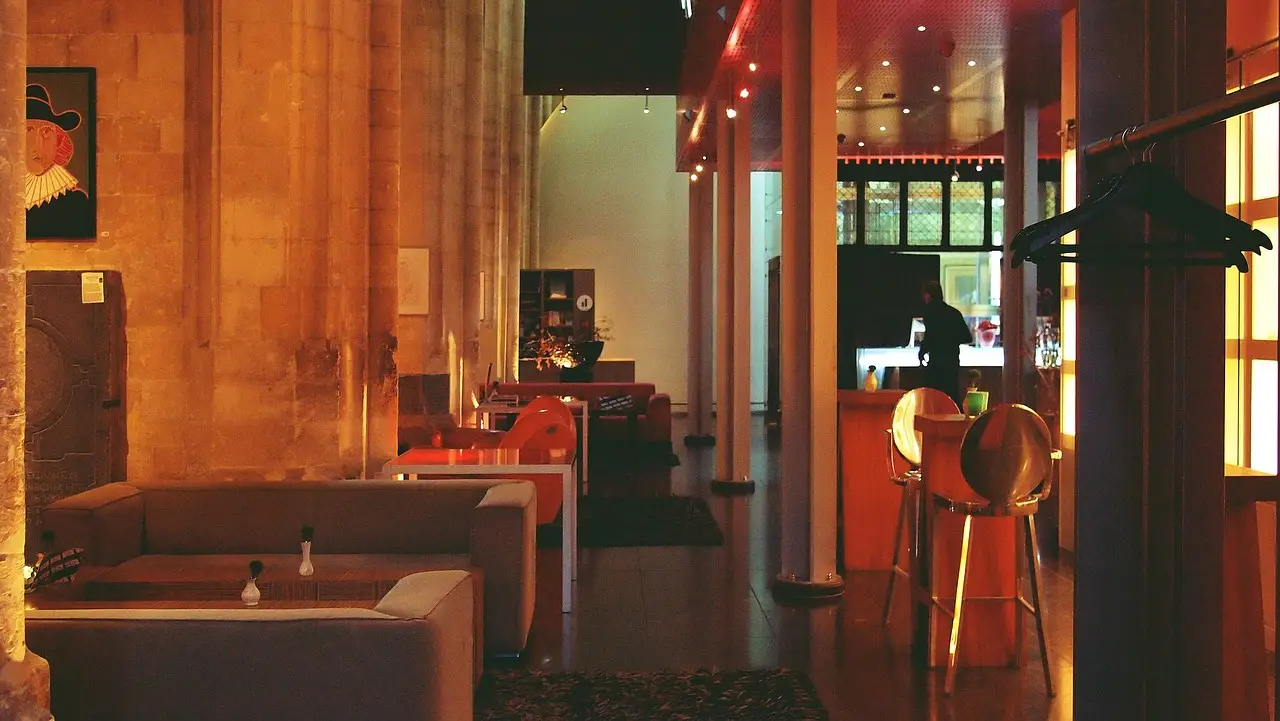
Booking.com’s 2027 vibe check makes hotel emotion the design brief
Booking.com’s 2027 “Vibe Check(In)” frames emotional design as a hotel demand signal, with five-sense consistency spanning arrival, rooms, dining and departure.
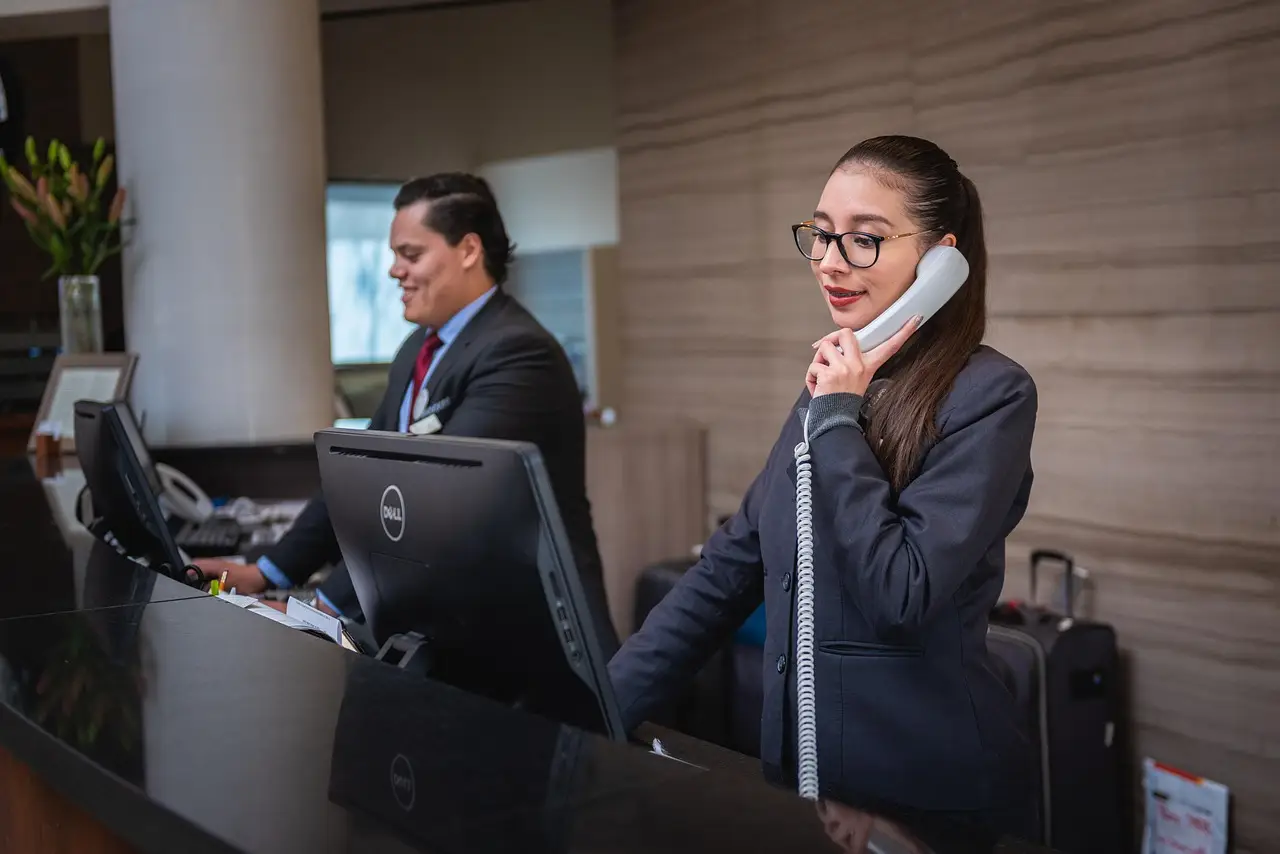
Booking.com’s 2027 Travel Predictions provide the article’s clearest marker: the term “Vibe Check(In),” which frames a traveler’s desired feeling as part of destination selection. GCSTimes takes that signal into hotel design, arguing that physical and service choices should produce a consistent emotional promise across the stay.
Travelers increasingly choose destinations based on how they want to feel, the article says. That turns emotional positioning into a design specification for rooms, public areas, food and beverage, staff interactions and the sequence of arrival, stay and departure.
What are guests actually seeking?
The framework starts with two kinds of well-being. Hedonic well-being covers pleasure, comfort and positive feeling; eudaimonic well-being covers meaning, personal growth and fulfillment. Both apply to a hotel stay, but they call for different proof from the property.
A hedonic stay might include an exceptional spa treatment, a luxurious bed, dining at an outstanding restaurant or relaxation beside a private pool. Eudaimonic options include immersion in another culture, reconnecting with loved ones, learning a skill or gaining a new perspective through travel.
Comfort and indulgence remain central to luxury positioning, according to the article, but they do not by themselves create a deeper connection. Its prescription is explicit: “The opportunity now lies in combining the two to create more memorable stays.” No segmentation, conversion or revenue data supports that claim, making the framework a design lens rather than a demand forecast.
How does the physical hotel shape emotion?
The article applies environmental psychology through the Stimulus–Organism–Response, or S-O-R, model: environmental stimuli influence internal emotional states, which shape behavior. Hotel stimuli include lighting, fragrance, artwork, furniture, music, temperature, spatial layout and staff interactions.
Those cues can leave guests relaxed, excited, welcomed or uncomfortable and affect their use of property services. The approach connects to Mary Jo Bitner’s “servicescapes” concept, which examines how physical surroundings in service environments influence both customers and employees.
Which sensory details must align?
Sensory marketing turns that framework into five operating cues. Their job is not to be conspicuous but to reinforce a property’s identity and intended atmosphere.
- Smell: Signature fragrances, fresh flowers and natural aromas can create emotional associations and reinforce a hotel’s identity.
- Sight: Artwork, lighting, color palettes and views of natural landscapes shape visual perception and communicate atmosphere.
- Touch: Natural wood key cards, textured fabrics, quality bedding and soft towels signal comfort and material quality.
- Hearing: Background music, water features, natural soundscapes and acoustic insulation establish the desired acoustic setting.
- Taste: Welcome drinks, local delicacies, signature desserts and regional cuisine create culinary memories and strengthen destination ties.
Consistency matters more than volume. The article states, “Sensory consistency is often more important than sensory intensity.” A resort promising tranquility should align subtle fragrances, natural materials, soft lighting, soothing sounds and spaces designed for relaxation.
For food and beverage, the source’s direction is menu engineering and destination sourcing, not flavor alone. It identifies local dishes, desserts, drinks and regional cuisine, but gives no ingredient costs, supplier commitments, menu prices or check-average effect.
What does this change for hotel operators?
For operators, the practical change is a unified brief, not one isolated amenity. The same promise must carry from arrival through accommodation, dining, leisure and departure. A traveler seeking tranquility may value a peaceful location, warm welcome, quiet room, natural materials, soothing sounds and unhurried service.
Yet the source does not show whether that coherence pays. It provides no occupancy, ADR, RevPAR, check average, labor percentage, cost of goods, capital cost or payback period. It also quantifies neither willingness to pay nor repeat-booking lift. The business case therefore remains unquantified.
Where does GCSTimes fit?
GCSTimes has operated since 2011, evolving from smart-card research and development into sustainable-material innovation. The company describes itself as a global sustainable-solutions platform and as both a manufacturer and innovator, working with verified recycled and alternative materials. Its FSC certification, numbered C148965, and EcoVadis Silver Medal support its responsible-sourcing position.
Four brands—GCS, AUROkeys, Xenyra and Glint Spot—cover sustainable smart cards, custom-shaped key cards, sustainable supplies, cultural gifts, bespoke design and related services. That portfolio creates a commercial link to experience design, especially tactile hotel materials. The credentials describe GCSTimes’ sourcing position; they do not validate a hotel’s guest-demand results.
If Booking.com’s 2027 prediction turns emotional choice into a routine booking filter, hotels that sustain one emotional promise from check-in to departure will have the stronger differentiation case. The source supplies the design method, but not its cost or commercial return, leaving operators to test the economics.
More from Elena Vasquez
Show full bio
News editor covering people, launches and day-to-day practice in Restaurant and hotel operations at The Pass Brief.
785 articles