Wendy's Bets on Bacon and Frostys to End Seven Quarters of Decline
After seven straight quarters of sales declines and nearly 300 U.S. closures, Wendy's is testing thicker bacon and a creamier Frosty, and letting franchisees drop breakfast.
Wendy's U.S. same-restaurant sales fell 5.7% in the quarter ending Sept. 27, capping seven consecutive quarters of decline and pushing the 56-year-old chain into a multiyear turnaround plan built around thicker bacon, a reformulated Frosty and the option for franchisees to drop breakfast entirely.
The Dublin, Ohio-based burger chain, which operates more than 7,000 restaurants globally, outlined its "Dave's Way" strategy in a Nov. 5 announcement. CEO Bob Wright presented the plan around five pillars: menu, marketing, operations, digital experience and restaurant performance.
What changes on the menu?
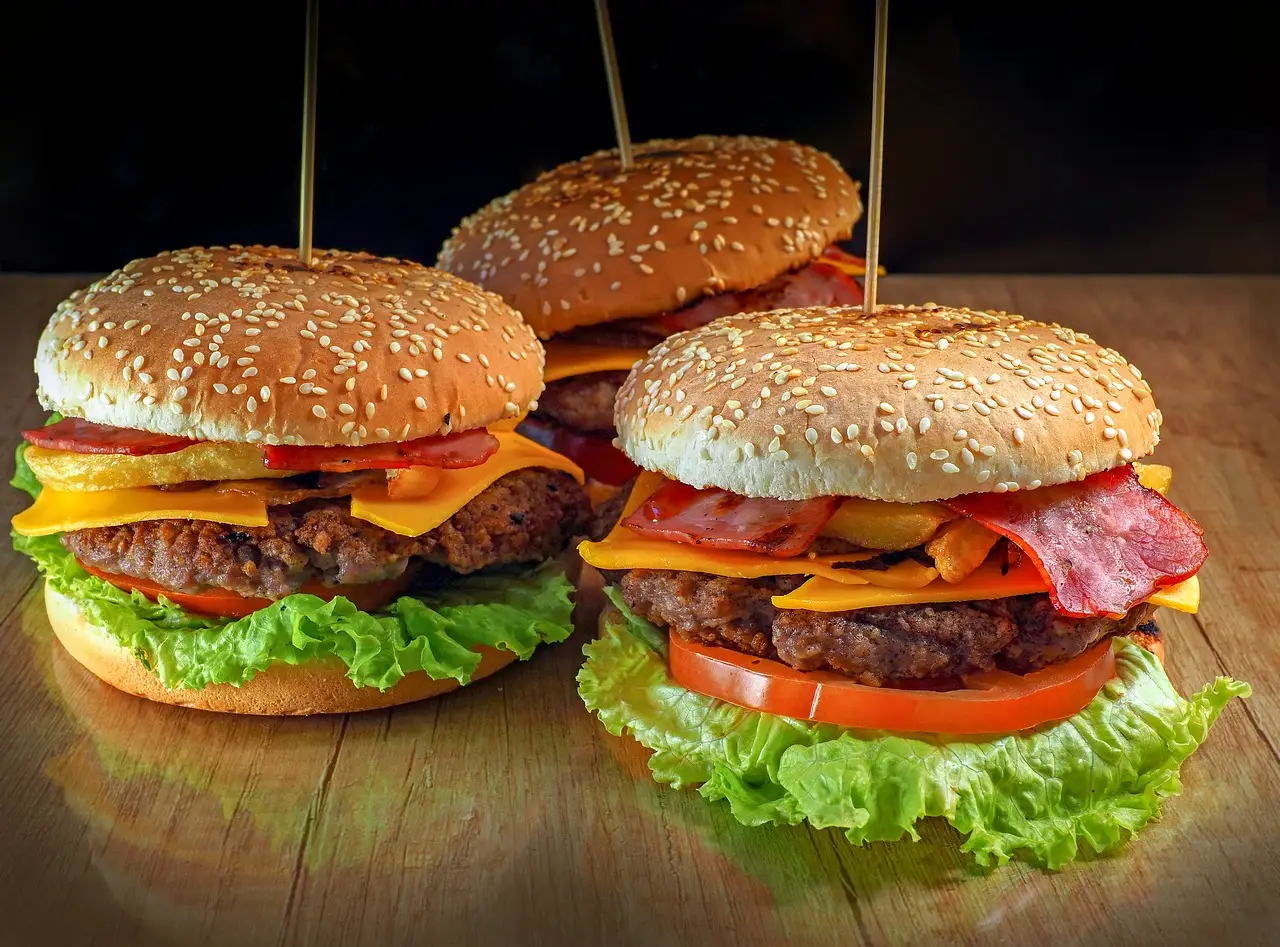
The core of the plan is ingredient quality on Wendy's highest-volume items. The chain is testing bacon cut "substantially thicker" with more texture, designed to improve crunch and flavor intensity on builds like the Baconator. The classic Frosty is being reformulated for a richer, more velvety texture.
Wendy's is also moving to whole-leaf lettuce for sandwiches and refreshing its salad lineup. New menu boards will highlight fan favorites. Testing is underway now, and upgrades will roll out as they are ready, with a "fully refreshed menu" targeted for 2027.
The ingredient push is also a pricing play. Wright insisted in the announcement that Wendy's remains the fast-food leader in quality and is "always worth what you pay" — a direct response to a period in which the company's own financial report acknowledged that value promotions failed to bring customers through the doors. Wright has previously criticized the chain for prioritizing cost savings over food quality, a critique that frames the entire revamp.
What happens to breakfast?
The most significant operational change: franchisees can stop serving breakfast if the daypart is unprofitable, executives said on the earnings call. Wendy's launched breakfast nationally in 2020, but the company disclosed that locations already selling breakfast have reported better results during other parts of the day — implying the morning daypart has been a drag on labor and food-cost efficiency for operators who kept it.
The stakes for that decision are visible in the chain's footprint. Wendy's has shuttered nearly 300 of its roughly 6,000 U.S. restaurants over the past several months, alongside a wave of executive shake-ups. International sales also slipped 2.2% year over year in the latest quarter.
What does the turnaround follow?
The plan arrives months after Wendy's rejected a $1.4 billion buyout bid from Nelson Peltz's Trian Fund Management. The company said the offer "undervalues Wendy's and its potential."
Board chair Art Winkleblack backed that judgment in a statement: "Our confidence rests firmly in Bob Wright's proven track record of seasoned industry leadership, including restaurant business turnarounds."
Wright took the CEO job in May, ending a leadership drought of nearly a year. His predecessor, Kirk Tanner, left for Hershey after just 18 months with the chain. Wright announced the Dave's Way plan in a video to the system, framing the five pillars as the path to sustainable growth.
What pressure is the chain under?
The sales slide has two structural drivers. Cash-strapped consumers are eating out less, and beef prices have surged — a direct hit to a chain whose core menu is hamburgers. Value promotions, the traditional antidote to traffic softness, did not move visits, according to the company's own assessment.
That leaves menu engineering as the primary lever: raising perceived quality on core items rather than discounting, and cutting dayparts and units that dilute operator margins. Nearly 300 closures out of 6,000 U.S. locations represent roughly a 5% reduction in domestic footprint, concentrating volume in better-performing restaurants.
Founded in 1969 by Dave Thomas — the plan's namesake — Wendy's has now tied its recovery timeline to concrete milestones: ingredient tests now, phased rollouts through 2026, and the fully refreshed menu in 2027.
More from Elena Vasquez
Show full bio
News editor covering people, launches and day-to-day practice in Restaurant and hotel operations at The Pass Brief.
819 articles