US Proposes New Tariffs on 14 Partners, China Hit Hardest
Trump administration proposes Section 301 tariffs on 14 partners, with China facing 20% duties that could hit 40%, months after the Supreme Court voided earlier levies.
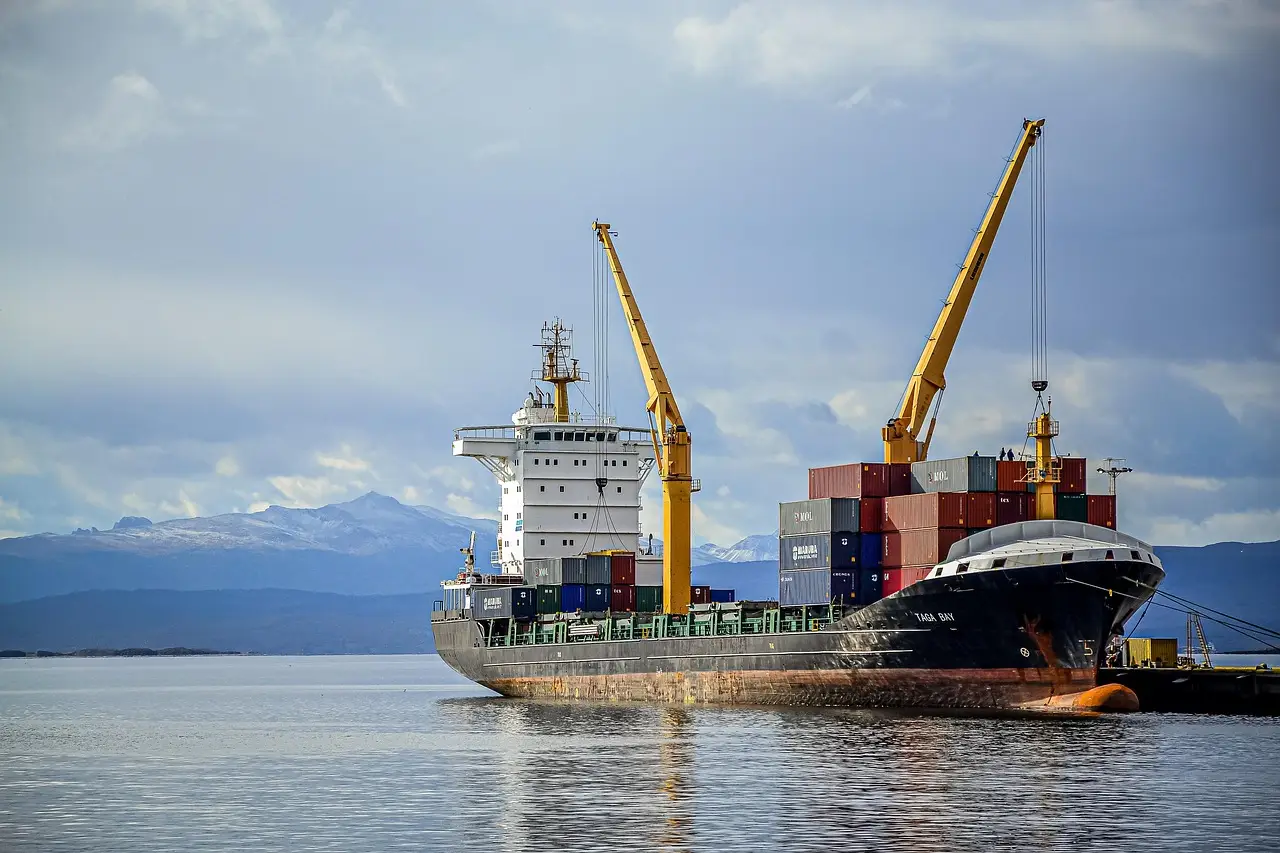
The Trump administration on Wednesday proposed a fresh round of tariffs against 14 US trading partners, including China, Japan, India and the European Union, in a move that keeps import-cost pressure on restaurant operators' supply chains.
China faces the steepest exposure. The proposal adds a 20% levy on Chinese goods, and that rate could climb to 40% if Beijing fails to honor its existing trade truce with Washington. For restaurant groups sourcing equipment, packaging and shelf-stable ingredients from China, the difference between those two rates is a direct cost-of-goods question, not an abstraction.
What is the legal basis this time?
The proposed duties would be imposed under Section 301 of the Trade Act of 1974, the statute historically used for unfair-trade investigations. The choice of vehicle is deliberate. In February, the Supreme Court struck down President Trump's "Liberation Day" tariffs and the 2025 "reciprocal" duties, voiding a swath of his earlier trade actions and forcing the administration to rebuild on firmer legal ground.
This round is the president's biggest push yet to do exactly that. Section 301 requires a formal investigation, and one is already in hand.
Who is behind the probe?
US Trade Representative Jamieson Greer is set to unveil the findings of a probe he launched in March. The investigation zeroed in on foreign factory subsidies and excess manufacturing output overseas.
Greer and other administration officials argue those practices hand overseas firms an unfair competitive edge. Their stated theory: the production glut floods world markets with cheap goods and, in the process, hammers American businesses. The administration's broader contention is that excessive manufacturing capacity abroad is hurting US companies across sectors.
What does this mean for menu economics?
Tariffs have been a hallmark of Trump's second term, and the track record is cautionary. The president has promised the levies will bring manufacturing and other jobs back to the US. Many economists, however, blamed last year's round of tariffs in part for the persistent inflation that squeezed both operators and their guests — a period when food and labor costs already pressed restaurant margins from both directions.
For multi-unit operators, the practical stakes are straightforward:
- Chinese imports face a 20% levy, potentially 40%, directly raising landed costs on kitchen equipment and packaging sourced from China.
- Japan, India and the EU are among the 14 named partners, extending exposure to imported foodstuffs and equipment components.
- Section 301 actions follow a slower legal process than the struck-down emergency tariffs, giving supply chains somewhat more runway to renegotiate contracts and diversify vendors.
The scope question is the one operators will now watch. The proposal names the trading partners and the legal mechanism, but the specific product lists — which food categories, which equipment lines, which effective dates — will determine whether this lands as a menu-pricing problem or a procurement nuisance.
A 40% ceiling on Chinese goods, if triggered by a broken truce, would make vendor diversification a budget line rather than a strategy deck slide. Expect sourcing teams at national chains to spend the coming weeks mapping supplier exposure before the USTR's product details arrive.
More from Rebecca Stone
Show full bio
Senior reporter covering technology and product news in Restaurant and hotel operations at The Pass Brief.
749 articles