Tomato Tariffs Could Squeeze the Chips-and-Salsa Basket
Fresh tomato tariffs would land hardest on the free chips-and-salsa basket, where costs hit every cover and operators have no price lever to pull.
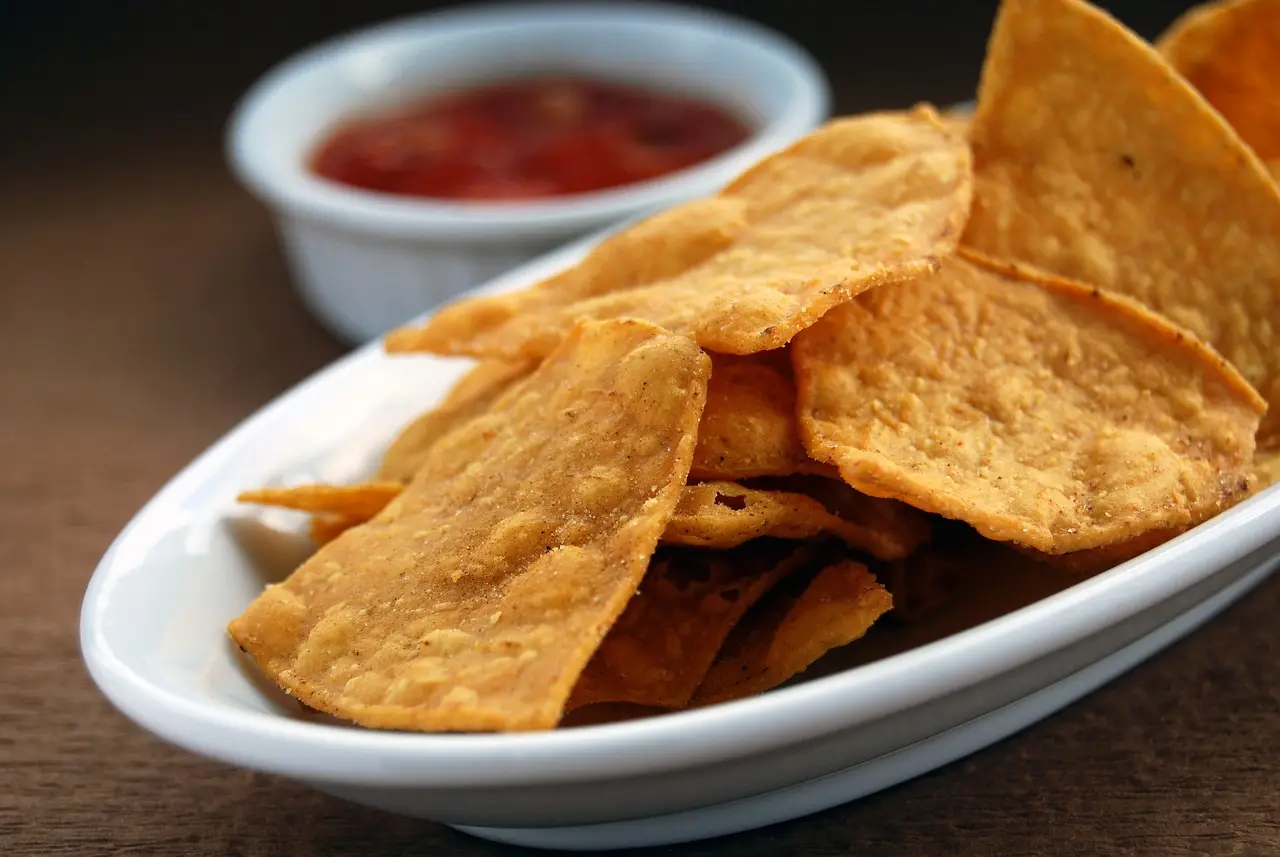
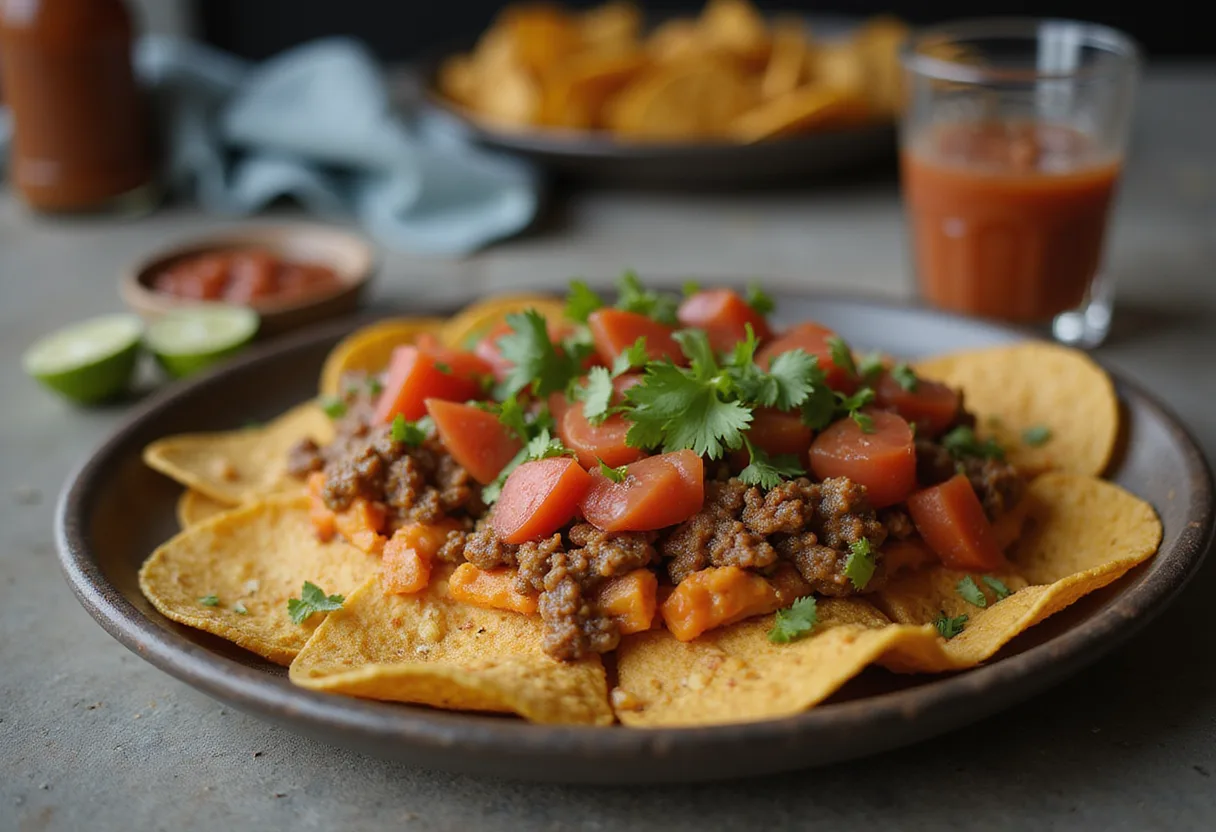
Tomato tariffs are back in play, and the first place operators will feel them isn't the produce invoice — it's the free chips and salsa on every table. That's the question a recent piece in we are mitú raises as trade policy on Mexican tomato imports returns to the agenda in Washington.
The framing sounds playful, but the economics aren't. Mexico supplies the overwhelming share of fresh tomatoes sold in U.S. restaurants and grocery stores, particularly during winter months when domestic production in Florida and California can't cover demand. When a tariff lands on that supply chain, the cost pushes through distribution into every salsa, every pico de gallo, and every brunch plate with a slice of tomato on it.
What does a tariff actually do to a menu?
A tariff is a tax paid at the border, usually by the importer. Importers don't absorb it — they pass it along. Distributors add their margin, and the restaurant at the end of the chain sees a higher per-case price on roma tomatoes, tomatillos, and processed tomato products tied to fresh supply.
For a taqueria or a Tex-Mex chain, salsa is rarely a profit center on its own. It's a traffic driver — the complimentary basket that justifies the entrée price and the second round of drinks. That means the cost sits in a category operators hate to touch: free food with a direct line to food-cost percentage.
The math gets uncomfortable fast. If tomato costs rise by a double-digit percentage and salsa runs daily on every cover, the COGS hit lands across the entire guest count, not just the dishes that list tomato on the menu.
Who's exposed?
The exposure runs widest in concepts where salsa and tomato-heavy prep are structural:
- Fast-casual Mexican and Tex-Mex brands, where free or low-cost salsa is table stakes
- Independent taquerias, which buy at retail-adjacent prices and lack distributor leverage
- Regional chains in the Southwest, where fresh salsa programs are core to the brand promise
Franchised systems add another layer. A franchisor can negotiate national produce contracts, but individual franchisees in different markets face different distributors and different pass-through rates. The same tariff doesn't hit every unit equally.
How operators respond when input costs jump
The standard playbook applies here. Some will reformulate — shifting toward canned or processed tomato bases where the tariff exposure differs from fresh product. Some will shrink portion sizes on the free basket, a quiet menu-engineering move that rarely triggers guest complaints if done gradually. Others will raise prices elsewhere on the menu to protect the perception of abundance at the table.
The we are mitú piece captures why this story resonates beyond the trade press: chips and salsa are a cultural signature, not just a cost line. Any policy change that quietly repricing that experience will get noticed.
For now, nothing is final. Tariff proposals on Mexican agricultural imports have moved in and out of negotiation before, and produce markets reprice seasonally regardless. Operators sourcing from Mexico should watch the trade announcements, talk to their distributors about contract terms, and model what a tariff-driven cost increase does to their salsa-line COGS before the next menu print cycle.
More from Olivia Hart
Show full bio
Staff writer covering regulation, policy and their impact on Restaurant and hotel operations at The Pass Brief.
499 articles