Tomato Tariffs Threaten a Restaurant Ritual: Free Chips and Salsa
Tariffs on Mexican tomatoes imported under Trump administration policy threaten the free chips-and-salsa comp, Houston Public Media reports, pressuring restaurant margins.
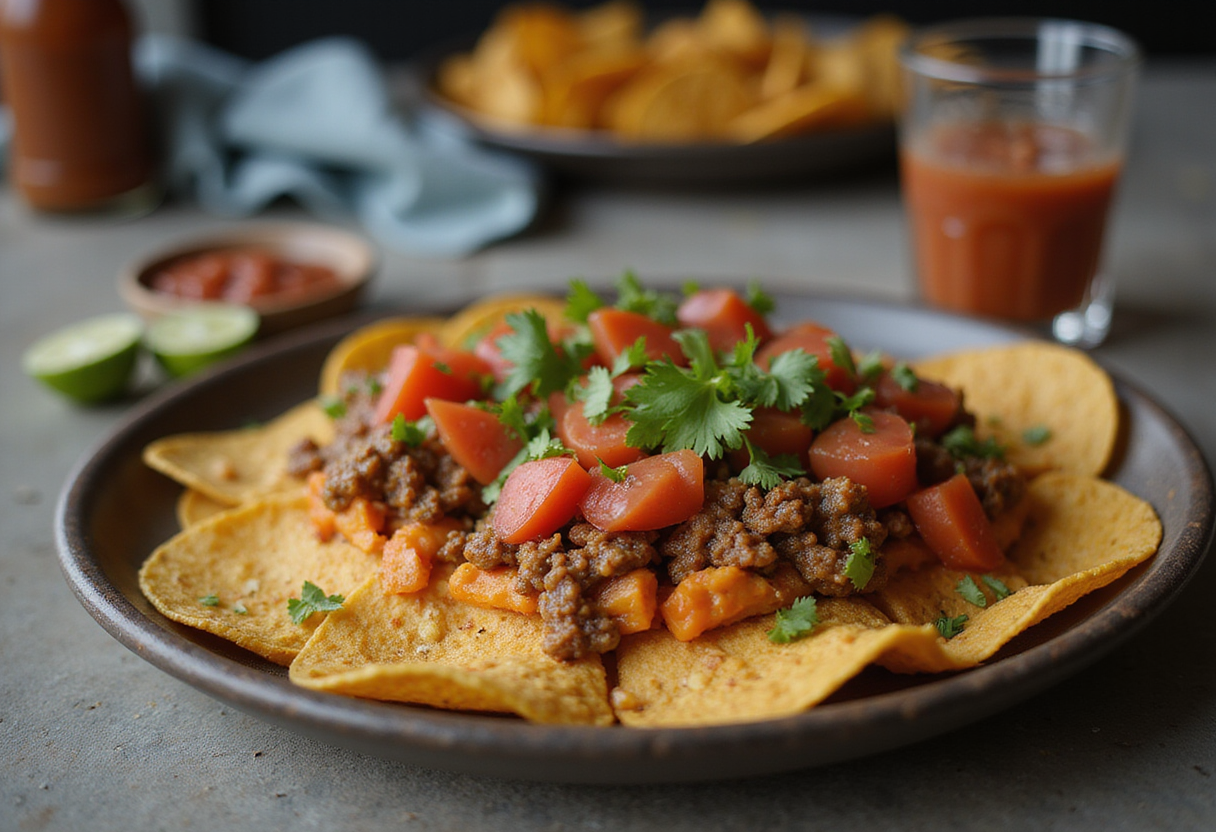
A new tariff proposal targeting tomatoes imported from Mexico could force restaurants to retire one of the industry's longest-running freebies: the complimentary basket of chips and salsa delivered the moment a guest sits down.
Houston Public Media reports that tariffs on tomatoes advanced under the Trump administration threaten the economics behind that comp. The story frames the stakes plainly: if input costs on imported tomatoes rise sharply enough, operators may stop treating salsa as a table-setting cost of doing business and start treating it as a menu line item.
The math works the way most restaurant math works. Salsa and chips sit in the category operators call complimentary food — items absorbed into overhead rather than priced on the menu. When the cost of a core ingredient doubles or worse, the absorption model breaks. The operator has three levers: raise entrée prices to cover the comp, shrink the portion, or eliminate it. All three options carry traffic risk, which is why freebies rarely survive a sustained cost shock intact.
Tomatoes are the pressure point. Mexico supplies the bulk of tomatoes consumed in American restaurants, and Mexican tomatoes anchor the salsa programs at Tex-Mex, Mexican and casual-dining chains across Texas and beyond. A tariff applied at the border raises the landed cost for distributors, who pass it to operators as a higher produce invoice. Produce inflation hits margins faster than most cost lines because restaurants buy it weekly and cannot hedge it the way they hedge some commodity inputs.
Houston, the market where the report originated, gives the story particular weight. The city's restaurant scene runs on high-volume Tex-Mex service, where free chips and salsa function as a customer-acquisition tool as much as a hospitality gesture. Operators there compete on the expectation that the basket arrives without being ordered. Removing it changes the value perception of the entire meal, not just one SKU.
The broader pattern is familiar to anyone who tracks menu engineering. When avian influenza drove egg prices up, breakfast chains added surcharges or restructured combo pricing. When beef costs climbed, steakhouses shrank portion sizes rather than post the true price. Complimentary items are the most exposed line on any P&L because they generate no direct revenue to offset their cost of goods. A tariff-driven spike in tomato prices would apply that same squeeze to a comp that guests have treated as entitlement for decades.
For now, no operator has announced an end to the basket. The story's framing — "could spell the end" — signals that the industry is pricing the risk, not yet acting on it. Much depends on whether the tariff takes effect at the proposed level, how long it stays in place, and whether domestic growers can absorb displaced demand without their own price run-up.
What is clear is that trade policy has now reached the tabletop. A decision made in Washington about a border crossing for produce could determine whether the first thing a server carries out in a Houston Tex-Mex restaurant is a free basket or a menu with a new line item on it. Operators will watch the next rounds of tariff implementation and produce pricing before deciding whether a decades-old ritual survives.
More from Rebecca Stone
Show full bio
Senior reporter covering media and advertising at The Pass Brief.
90 articles