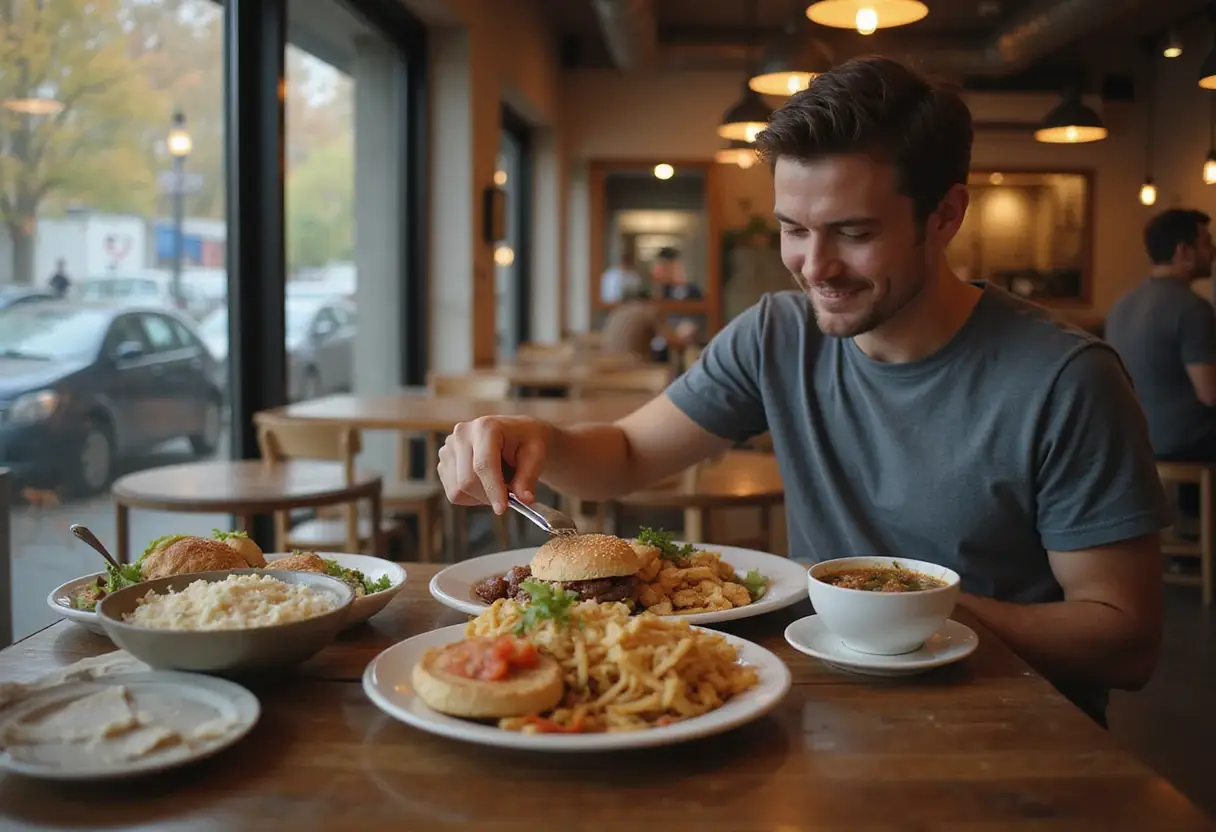
Topgolf cuts gameplay prices by 20% across 100-plus U.S. venues
Topgolf is cutting gameplay prices 20% on average at 100-plus U.S. venues as systemwide sales rose 0.7%, far below 5.2% unit growth, and high prices remain the top barrier to more visits.
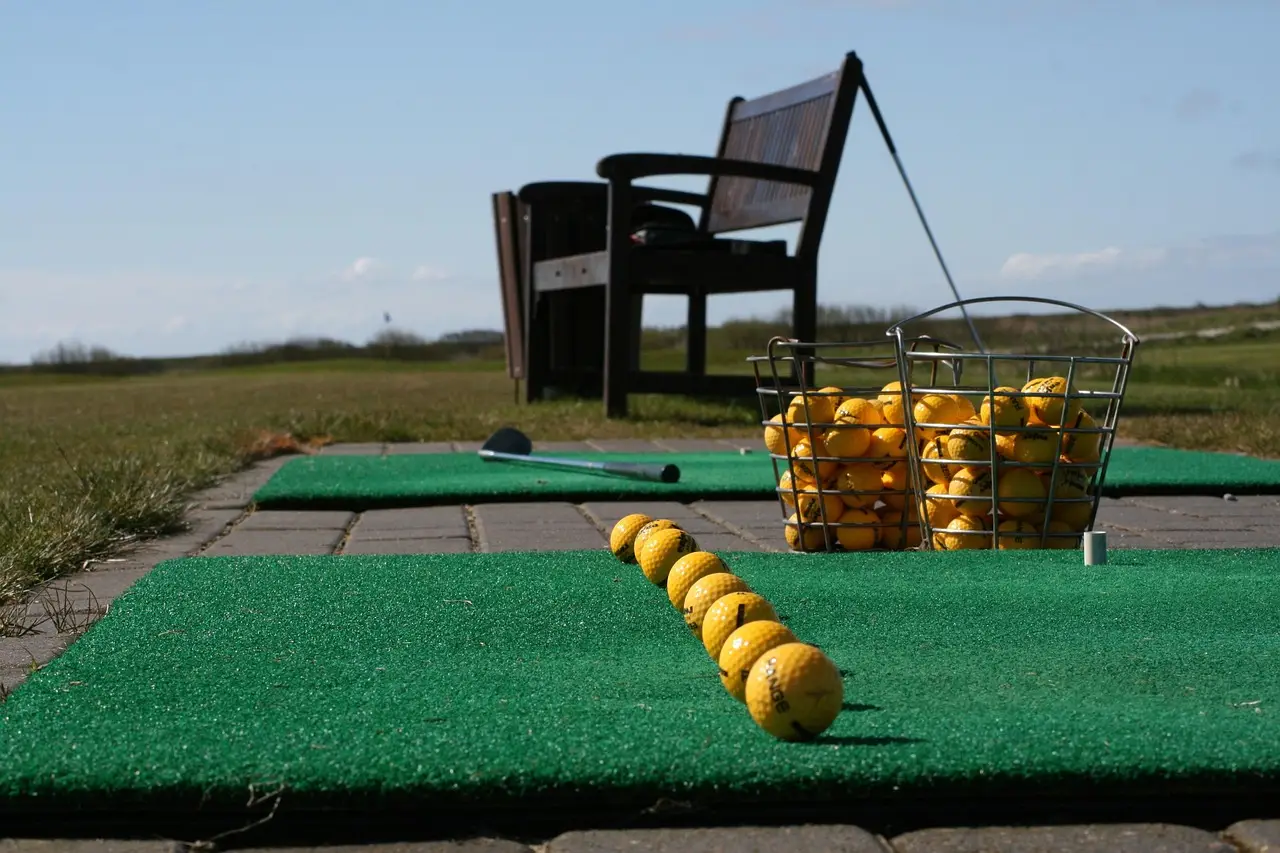
Topgolf is cutting gameplay prices by an average of 20% systemwide across its 100-plus U.S. venues, the company said, after a six-month survey found that high cost was the top reason customers did not visit more often.
Topgolf calls the result its lowest pricing structure ever. The reduction is not a blanket 20% cut for every venue and hour: levels differ by market, and prices at a given location and time may not be lower than every price previously offered there.
The customer signal behind the cut
Topgolf surveyed thousands of customers over six months. CEO David McKillips said: “Our guests told us our prices were too high. We listened. We’re now introducing our lowest pricing structure ever.”
The survey results separate what customers enjoy from what keeps them away:
- 78% said they enjoy the social connection.
- 72% said they enjoy the food and service.
- High cost ranked as the top reason they did not visit more often.
That pattern frames the problem as visit frequency, not a lack of interest in the food-and-golf format. Topgolf is responding first on price while adding other reasons to visit.
What does the price cut change for guests?
For customers, the immediate change is a lower average gameplay price. The announced 20% reduction is far larger in percentage terms than the 3.5% year-over-year rise in September’s food-away-from-home inflation, although local savings will depend on market and timing.
For Topgolf, the mechanism is simple: lower prices could bring in more frequent guests while generating less revenue per gameplay transaction on average. The announcement gives no traffic forecast or margin guidance.
Topgolf also did not provide a company-operated versus franchised breakdown for the 100-plus venues, along with food cost, labor cost or unit-level profit data. The release therefore supports a clear pricing strategy, but not a calculation of its margin effect.
The growth levers beyond price
McKillips, the former head of Chuck E. Cheese parent CEC Entertainment, joined Topgolf in February following the company’s spinoff from Callaway, its previous owner. Since then, Topgolf has added arcade games to its locations and launched a retail media network.
The arcade additions aim to give customers more reasons to visit. The media network adds a new revenue stream, although the company does not detail its advertisers, format or revenue mechanics.
Both moves arrive while rising menu prices pressure restaurant traffic. Food-away-from-home inflation rose 3.5% year over year in September, faster than grocery prices and faster than 3% wage growth over the previous 12 months. Technomic’s broader Top 500 review also found chain restaurant sales slowed in 2025 as consumers cut back on dining, although coffee, beverages and snacks, and chicken thrived.
The sales record and the operator test
Topgolf’s large venues combine a driving range and golf bays for customers of all skill levels with food and drink orders. The chain is coming off a mixed year in which systemwide sales increased 0.7%, according to Technomic data, even as unit growth reached 5.2%.
The 4.5-percentage-point gap shows that sales growth did not keep pace with the chain’s expansion in locations. It also helps explain why Topgolf is using pricing to build traffic at existing venues after a year of unit growth.
Topgolf has not disclosed how the 20% average reduction is distributed across local prices. Guests must compare rates by market and visit time, while the chain’s test is whether added visits and spending offset lower gameplay yields.
The next test is whether a 20% average cut can turn Topgolf’s finding about price resistance into more repeat business. Sales and traffic results should provide the answer.
More from Olivia Hart
Show full bio
Staff writer covering regulation, policy and their impact on Restaurant and hotel operations at The Pass Brief.
627 articles