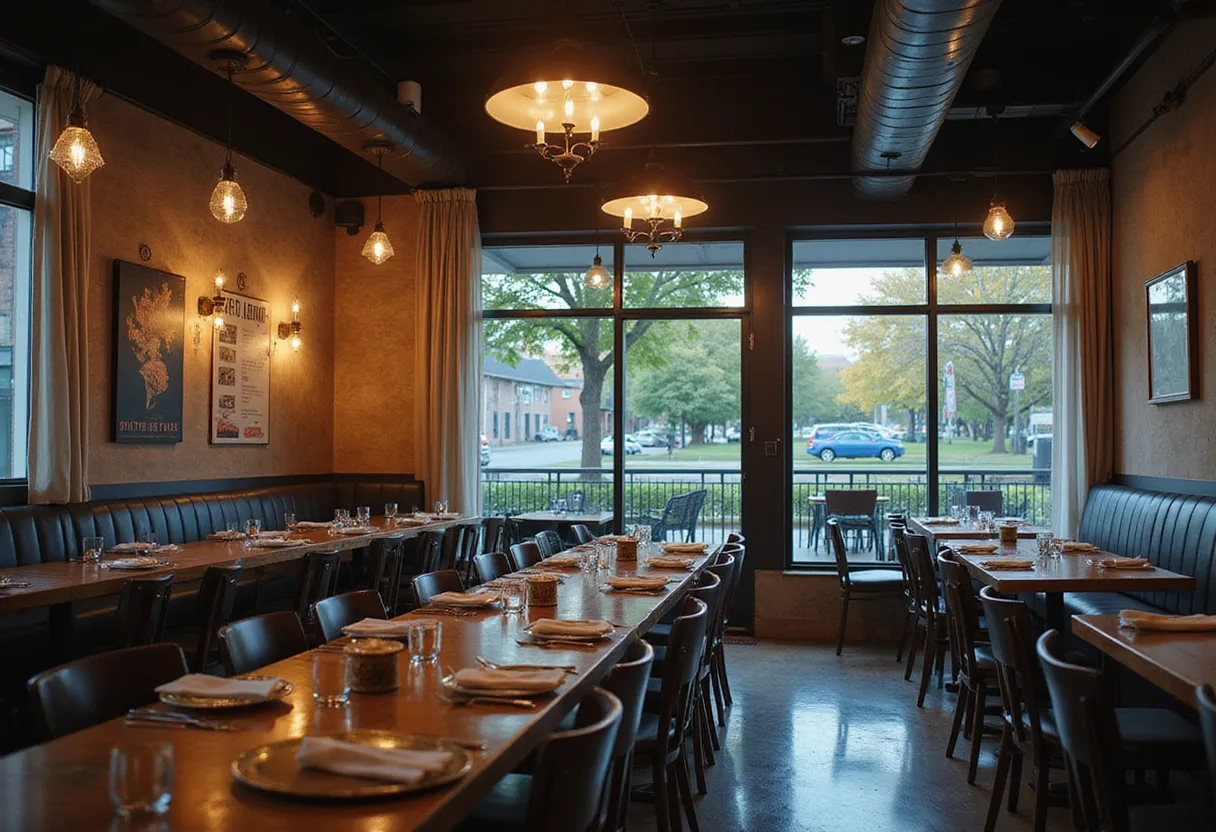
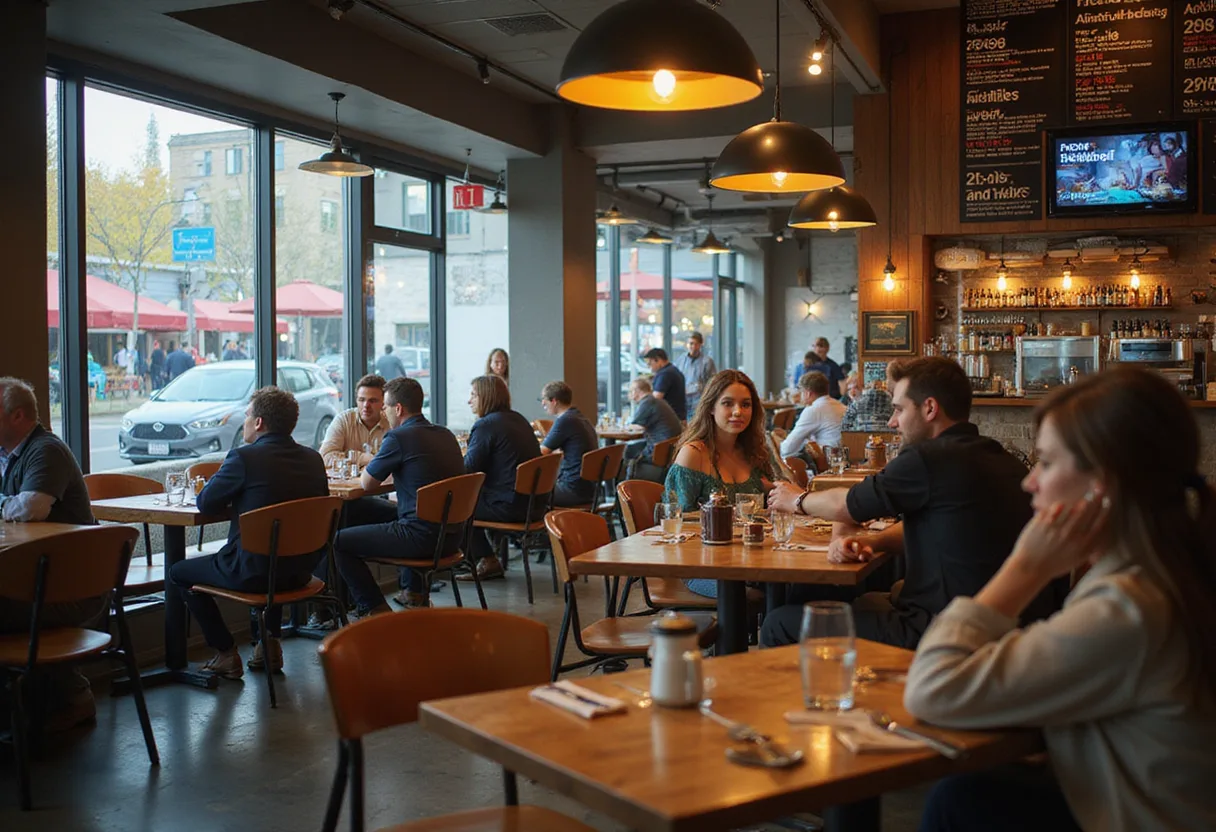
The £95 Ripple: Why One Restaurant Check Spreads Far Past the Plate
Restaurant Industry Magazine's £95 ripple study reframes a Saturday booking as the centre of a spending cluster that touches taxis, retail and the next morning's brunch trade.
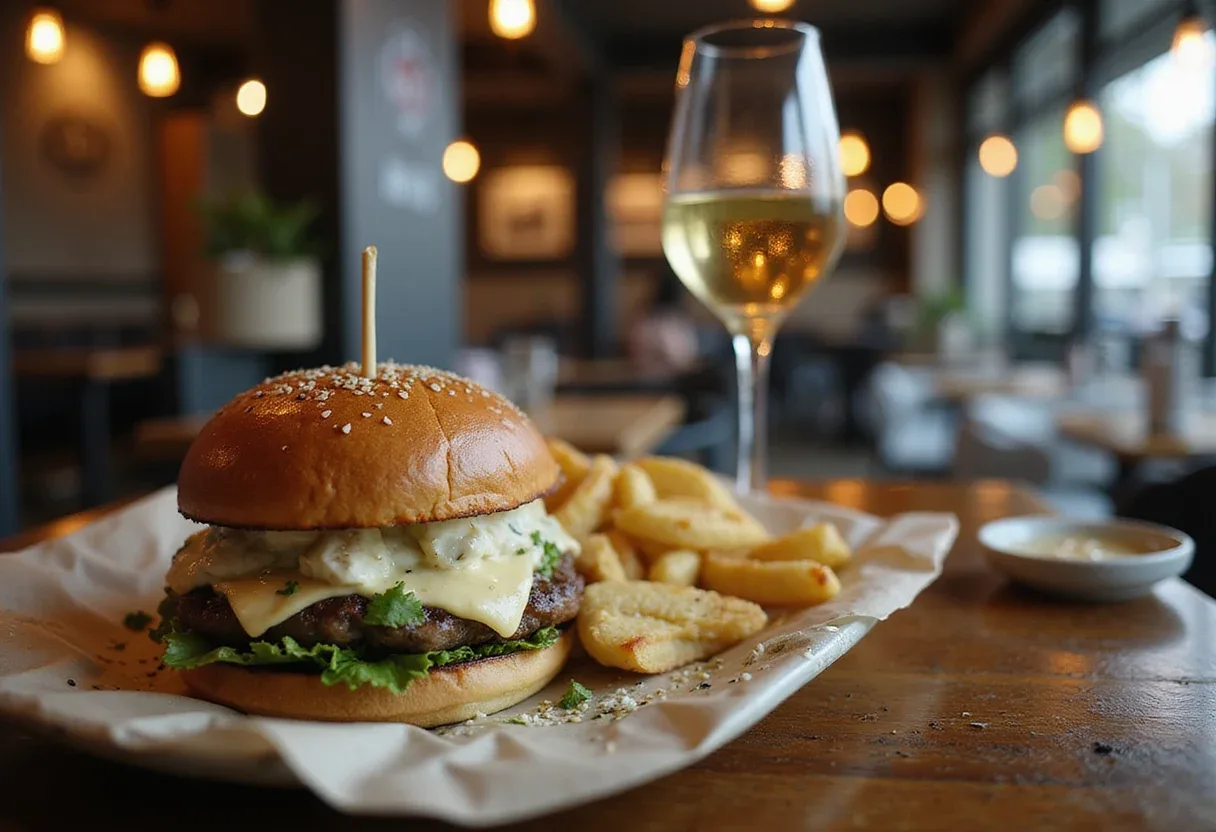
A £95 restaurant bill carries economic value well beyond the four walls of the operator who rang it up. That is the headline finding from Restaurant Industry Magazine's reporting on the "restaurant ripple effect," a body of work tracking how dining-out spending cycles back through suppliers, staff wages, transit and the surrounding high street.
For operators, the math matters because it reframes a sit-down meal from a one-off transaction into a small economic engine. A couple spending £95 on a Saturday dinner typically books transport, parks a car, or hails a cab. Each touchpoint adds a layer of activity the restaurant never sees on its point-of-sale.
What is a "ripple effect" in hospitality?
It is the industry's version of an economic multiplier. The £95 figure points to direct spend first captured by the restaurant, then estimates the second and third rounds of spending it triggers elsewhere.
A check average around £95 sits in casual-fine or upscale-casual territory in the UK, roughly the spend at a mid-market steakhouse or a destination neighbourhood bistro. That pricing is where the ripple stretches furthest, because guests pair the dinner with a bottle of wine, a pre-dinner cocktail elsewhere, and shopping the next day.
What does this change for operators?
Most operators measure success through covers, average cheque and labour cost as a percentage of sales. The ripple concept adds a softer metric: the revenue a single meal helps generate for the wider area. That matters when negotiating with landlords, applying for late licences, or pitching to a planning officer.
It also sharpens the case for keeping the dining room open late or adding a weekend brunch service. A £95 Saturday booking now looks less like a single line item and more like the centre of a small spending cluster that may include taxis, late-night bars, transport links and the next morning's brunch trade.
Three practical shifts follow. First, the £95 anchor is a useful benchmark when comparing venues: anything materially below it suggests a less affluent catchment or a more value-driven concept, anything above signals premium positioning. Second, partnerships with nearby retailers, hotels and event venues can amplify the ripple, since each referral adds a touchpoint the original restaurant cannot capture on its own.
Third, operators should treat footfall as a shared asset. A new cocktail bar up the street isn't pure competition; it feeds the dinner trade that follows.
Restaurant Industry Magazine's framing puts a number on something hospitality operators have argued informally for years. As UK councils weigh hospitality tax changes, licensing reform and late-night economy policy over the coming year, the £95 figure is the kind of data point that can move a planning debate from anecdote to arithmetic.
More from Olivia Hart
Show full bio
Staff writer covering regulation, policy and their impact on Restaurant and hotel operations at The Pass Brief.
415 articles