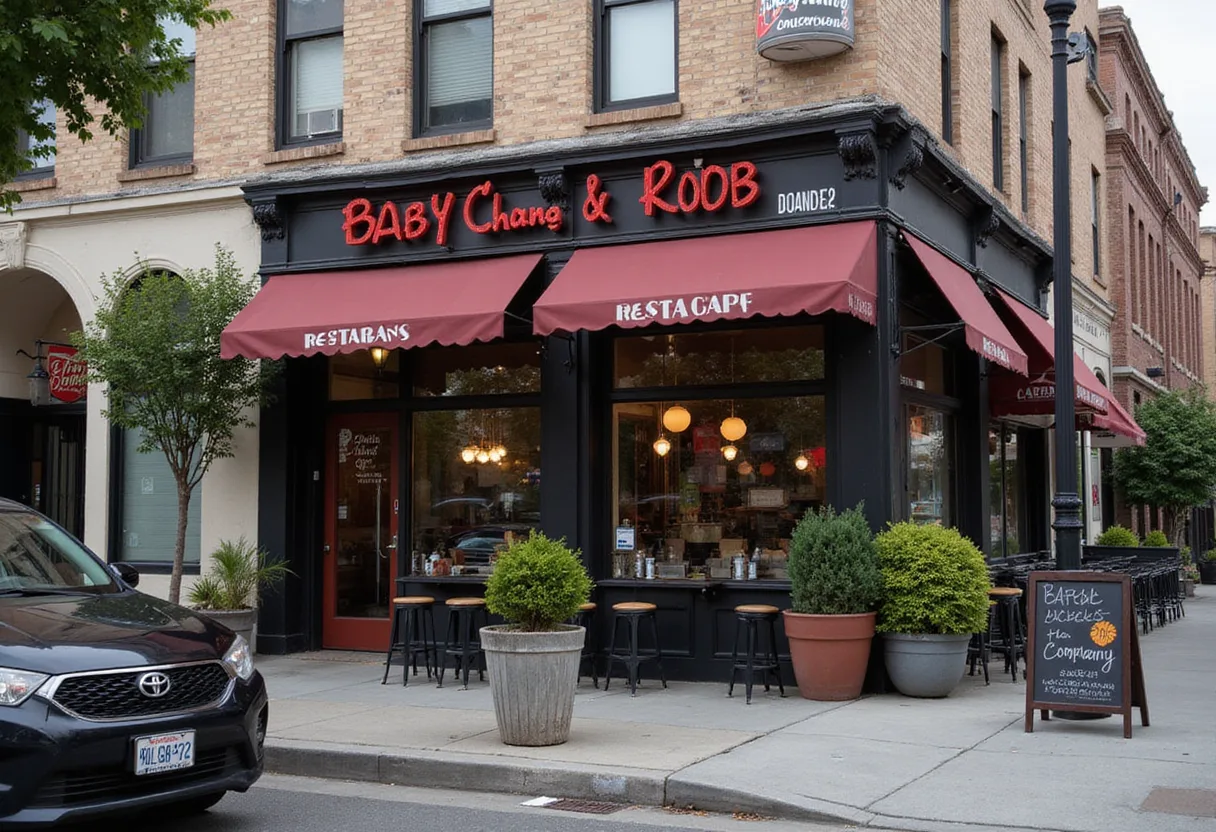
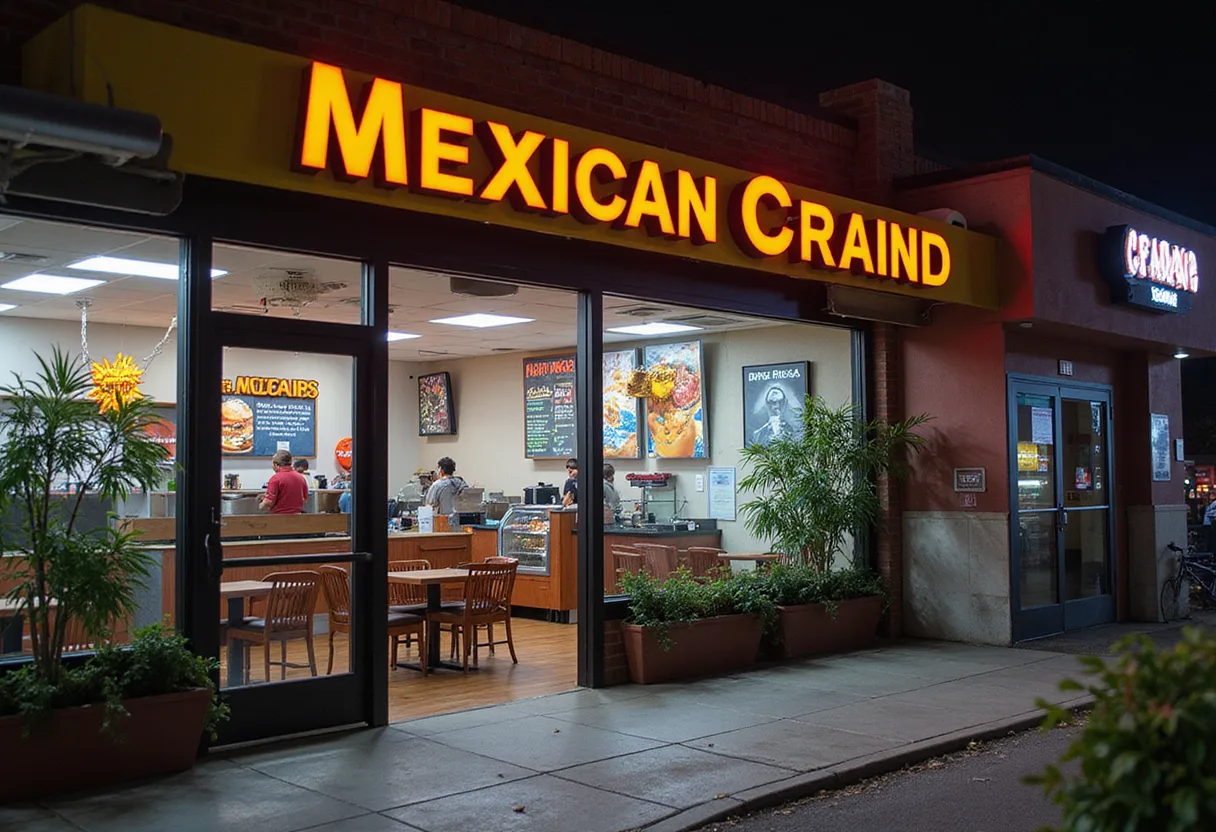
St. Louis restaurant group to close final three units after decade
A decade-old St. Louis restaurant group will close its last three units, per The Business Journals. The brief report omits closing dates, concept details, and unit-level economics.
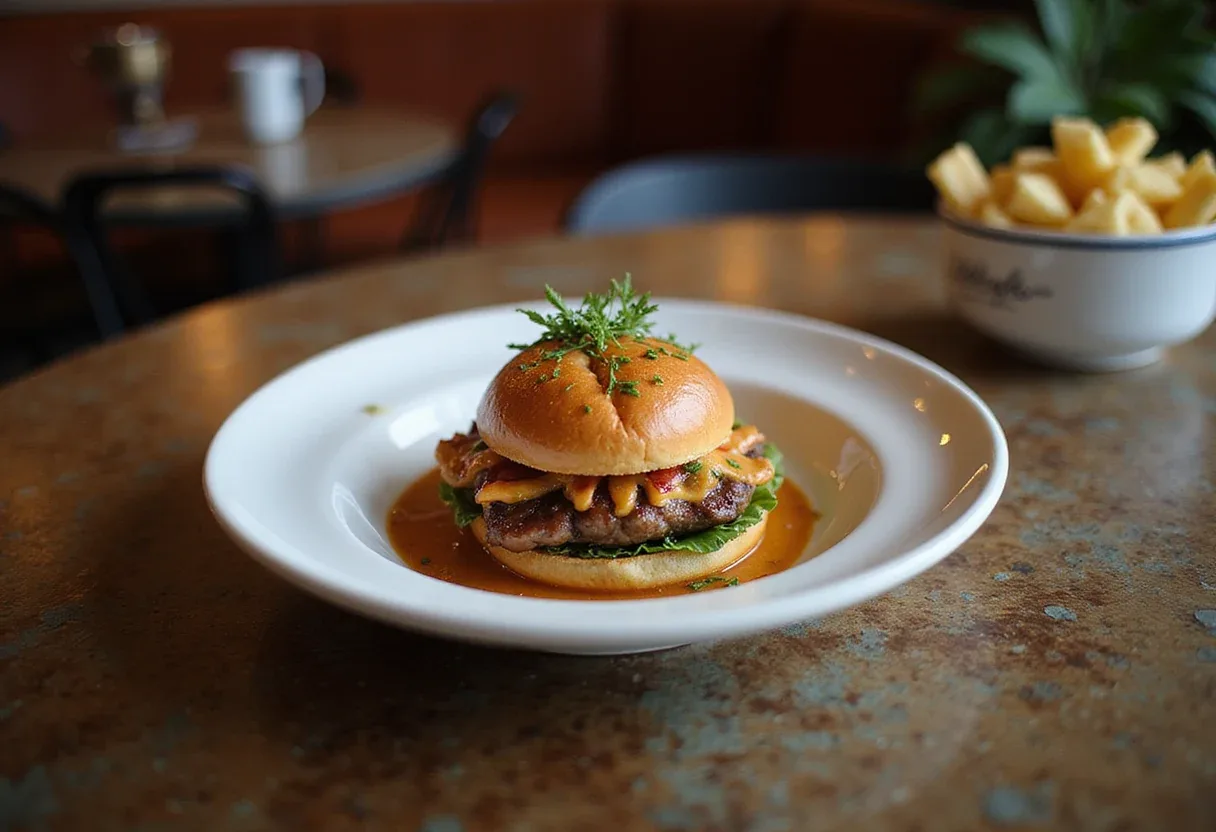
A decade-old St. Louis restaurant group will close its final three locations, according to The Business Journals. The brief report signals the end of a ten-year run for a multi-unit local operator in a metro where independent concepts and national chains have come to dominate the dining base.
The Business Journals' headline used the phrase "end of an era," a weight usually reserved for operators with cultural reach or a long footprint. The publication did not name the group in the available headline, nor did it specify closing dates, the concept type, or the unit economics that pushed the company to wind down.
How many units are affected?
Three. That figure is small by national standards — Darden operates more than 2,100 restaurants, Bloomin' Brands roughly 1,400 — but meaningful in a regional context. The Business Journals' phrasing suggests the group once ran more than three units and has been contracting. Multi-unit local operators are a thinning category in most U.S. metros; the 2010s franchise and small-chain boom produced many such groups, and a steady share have closed each year since the 2020 shutdowns.
Without unit-level disclosure from the source, the underlying reason for the wind-down remains opaque. A restaurant group exiting its last three units could be responding to a margin squeeze, a traffic collapse, a lease decision, a sale of the underlying real estate, or a combination. Industry analysts typically watch for two signals: same-store sales (revenue at units open at least twelve months) declining in the most recent quarter, and labor cost ratios above 30% of revenue.
What is the St. Louis market like?
The metro sits in the middle of the national full-service segment by sales mix. Full-service restaurants in Missouri operate against the same cost stack as their peers in Chicago or Atlanta: food cost, labor, occupancy, and royalties. The Business Journals' report did not provide check averages, labor percentages, or food cost figures for the closing group. Those numbers would normally determine whether the closure reflects structural underperformance or a strategic exit by an owner nearing retirement.
St. Louis has seen a steady turnover of independent and small-chain concepts over the past five years. The metro's restaurant base is anchored by a deep independent cohort and a growing national-chain presence, leaving limited space in the middle tier — precisely the segment a decade-old three-unit group occupies.
What details remain unclear?
The Business Journals' headline does not address three questions that any operator tracking the market will want answered. First, will the three remaining units close simultaneously or in sequence? Second, are the closures permanent, or is the group selling the concept to a successor operator? Third, what happens to the underlying real estate — owned, leased, or ground-leased (a long-term land lease where the operator owns only the building)? Each answer reshapes the labor and supplier impact.
The group will need to comply with federal WARN Act rules (Worker Adjustment and Retraining Notification, triggered at 50 or more employees) if any unit crosses that threshold, and with Missouri's mini-WARN requirements for smaller workforces. Suppliers and landlords will learn the answers before the dining public does.
What comes next?
The Business Journals' reporting is the first signal of the closures, not the last. The publication's St. Louis team will likely publish unit-level details, an owner statement, or a successor announcement in the coming days. For now, the headline is the only data point: a decade-old group, three remaining doors, and a market that has absorbed a steady stream of similar exits since the 2020 shutdowns.
More from Rebecca Stone
Show full bio
Senior reporter covering technology and product news in Restaurant and hotel operations at The Pass Brief.
437 articles