Ten California Jurisdictions Vote Themselves Up to 12% Sales Tax
SB 762, signed Aug. 17, lets 13 jurisdictions exceed California's 2% local sales tax cap; ten raised rates Nov. 3, collecting ~$103M yearly from April 2027. San Gabriel hits 12%.
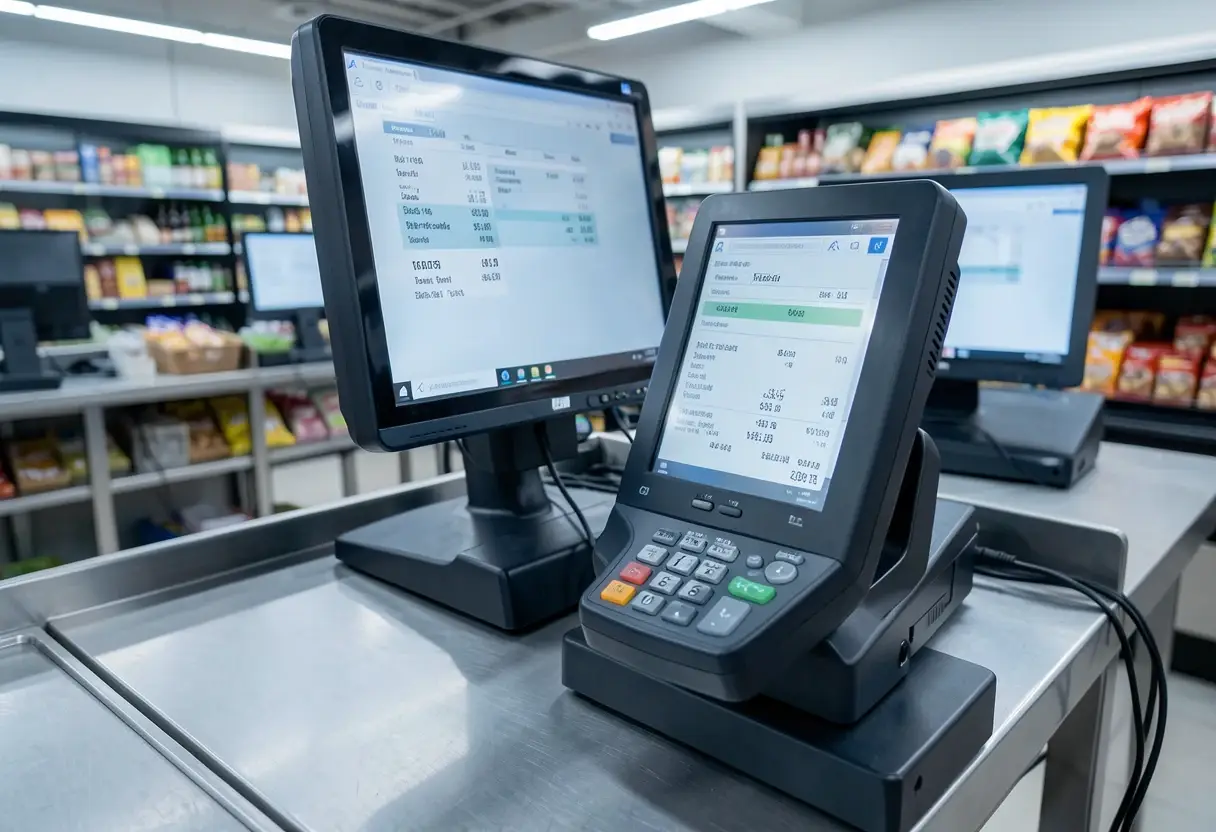
San Gabriel will charge 12% sales tax on taxable purchases from April 2027, the highest combined rate of ten California jurisdictions that approved increases on Nov. 3 under SB 762. The state Legislature passed the bill in late summer, Gov. Gavin Newsom signed it Aug. 17, and the ten measures are projected to collect roughly $103 million annually combined.
SB 762 granted 11 cities and two counties permission to exceed California's longstanding 2% cap on combined local sales tax rates (the state ceiling on how much municipalities may stack on top of the base rate). Ten of the 13 jurisdictions covered by the law then voted to raise their levies. Increases range from a quarter-cent to a full cent per taxable dollar, hitting shoppers in Hercules, Carpinteria, Santa Maria, Palo Alto, Santa Rosa, Rohnert Park, Pacifica, San Gabriel and San Pablo, plus Santa Cruz County.
What does this cost a household?
The math is modest on routine spending and punishing on big-ticket items.
- A family of four spending $25,000 on taxable purchases pays an extra $62.50 to $250 per year, depending on location.
- A $30,000 vehicle carries an added $75 in Carpinteria, $150 in Palo Alto, Santa Rosa or Santa Maria, and $300 in San Gabriel, Pacifica or Hercules, based on registration location.
- In San Gabriel, a full-cent increase lifts the combined rate from 11% to 12% — $3,600 in tax alone on that $30,000 car.
Pacifica's full-cent hike pushes its rate to 10.875%; Hercules reaches 10.25%. Santa Rosa doubles its existing half-cent city tax to a full cent, worth about $23 million in new annual revenue. Santa Cruz County's five-year, half-cent measure is the largest single raiser at $27 million per year. Palo Alto's narrow half-cent win yields $15.6 million; Santa Maria's similar increase projects $13 million.
How did a 2% cap get lifted?
Two Republicans made it possible. Former Assembly Republican Leader Heath Flora and GOP Caucus Chair Juan Alanis broke ranks to support SB 762, supplying two of the two-thirds majority votes Democrats needed. Author Sen. Jesse Arreguín, who represents parts of the East Bay, defended the measure in a statement: "SB 762 addresses fiscal pressures facing cities and counties across the state, driven by federal cuts, rising costs of health care and public safety, as well as the need to maintain and modernize aging infrastructure." He noted the bill was supported by police officers, firefighters and health care workers, and called it democratic empowerment of local voters.
David Kline, a spokesman for the California Taxpayers Association, sees a well-worn playbook behind those local victories. "Almost all the ballot measures start out with a list of things that taxpayers would like," he said, citing roads, public safety and infrastructure promises, with the cost slipped in near the end of the ballot question. "Voters might not be considering the full extent of the cost," Kline said. "When consumers start seeing a double-digit sales tax on their receipts, it might raise some alarms."
Who pays at the border?
For operators near city lines, the rate gap becomes a traffic problem. Kenny Ossen, a longtime San Gabriel resident, put it bluntly: "The first thing I think of: greed or mismanagement." He sketched the leakage: "If I want to go to a $200 dinner — sorry, Mr. business owner, restaurant owner: You're screwed." Shoppers can drive a few minutes to a neighboring tent city and pay less. Mike Netter, a commentator who ran for state Senate in the area, said "the money doesn't really go into what the headlines say, it goes into the general fund a lot of the time," adding that residents "don't understand why sales taxes are raised and why their fees keep going up."
The increases land in a state already carrying a documented affordability gap — an October Transparency Foundation report pegged a middle-class California family of three earning $130,000 with a $33,439 annual cost-of-living penalty versus national average prices, nearly $2,787 extra per month. San Gabriel's 12% would eclipse Seattle (10.55%), Chicago (10.5%) and New York City (8.875%). Kline's association tallied more than 300 local tax measures on November ballots, with preliminary results showing the vast majority passing, and he expects the demand for revenue to persist as strained public finances rarely produce a proposed tax decrease anywhere in the state.
More from Rebecca Stone
Show full bio
Senior reporter covering technology and product news in Restaurant and hotel operations at The Pass Brief.
749 articles