California Diners Pull Back as Costs Climb, Operator Reports
A California restaurant owner reports diners cutting back as costs climb, with one segment of the business booming against the broader slowdown.
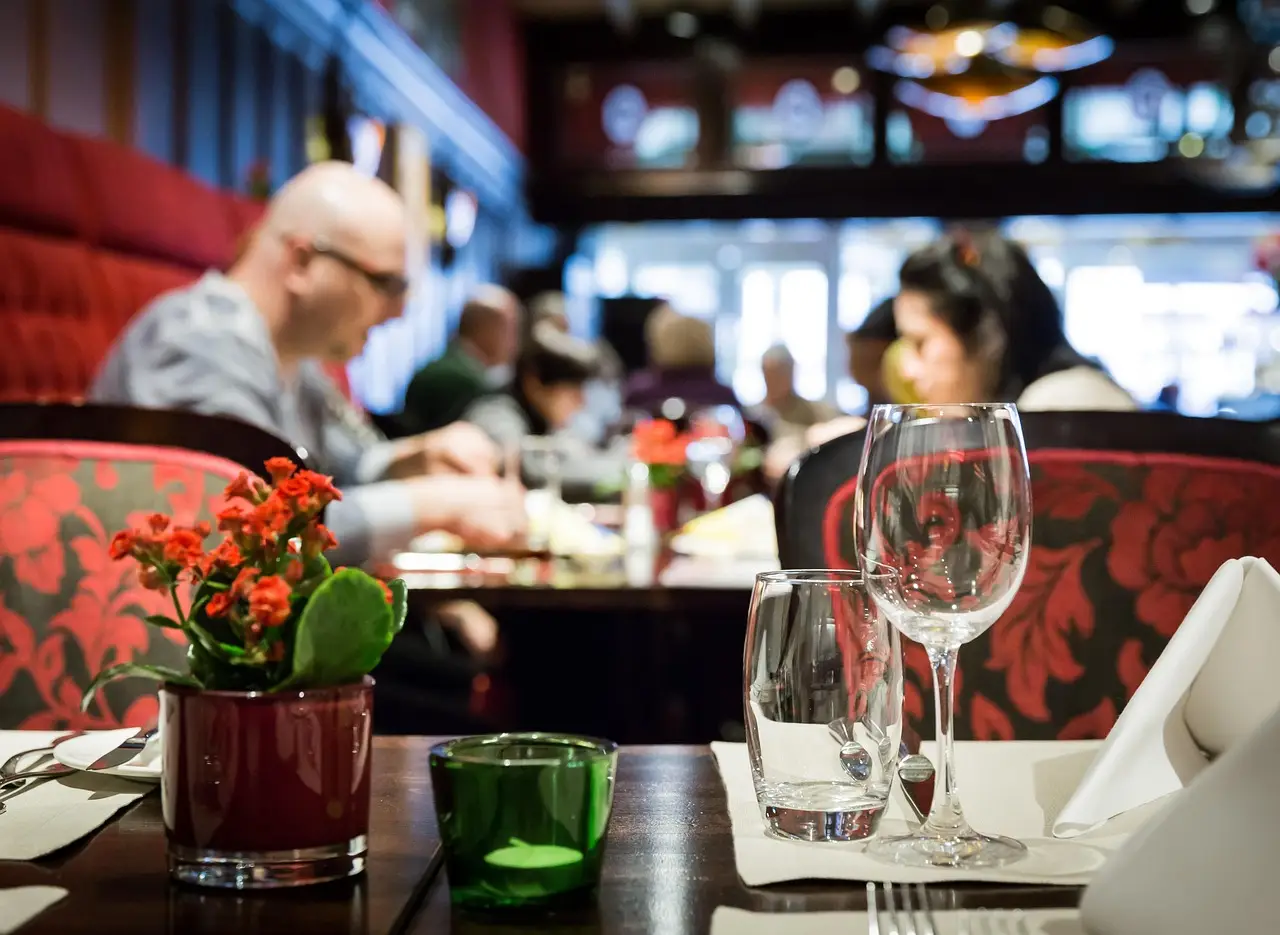
California restaurant customers are spending less as menu prices and living costs climb, according to a report published by Fox News drawing on the account of a restaurant owner operating in the state.
The report, which centers on operator testimony rather than chain-level sales data, describes a pullback in dining-out behavior across California's customer base. The owner cited rising costs as the driver of the shift — a dynamic that tracks with the broader cost structure California operators have faced since the state's fast-food minimum wage rose to $20 an hour in April 2024, though the Fox News piece does not break out specific wage, check-average or commodity figures.
What the story does add is an operator-level observation from inside a working restaurant: while overall demand has softened, one category of business is expanding. The owner identified a single booming trend standing out against the broader slowdown.
Why the distinction matters
For operators, a split like this — total traffic down, one daypart or format up — is the signal that drives menu engineering decisions. When guests trade down or visit less often, the response usually comes through pricing architecture, portion sizing and channel mix rather than across-the-board cuts.
California's cost base gives that calculation particular weight in 2025:
- Labor costs remain the highest in the country following the $20 fast-food wage mandate
- Menu prices have risen faster in California than in most states, feeding the customer pullback the owner describes
- Operators face compounding pressure from food costs and rent in major metros
What does this change for operators?
The practical question is whether the booming segment the owner identified can be scaled to offset softness elsewhere — a question the report raises but does not answer with numbers. Operators reading the piece will want to test their own mix: which dayparts, formats or occasions are holding, and what labor and cost of goods attach to them.
The report does not name the restaurant, the ownership group or the market, and it does not distinguish company-operated locations from franchised ones. That limits how far its conclusions travel beyond the single operator's experience.
What it establishes is direction: in one of the country's most expensive restaurant operating environments, customers are pulling back, and at least one operator has found a part of the business that is growing anyway. Watch for chain-level sales data from California-facing brands in coming quarters to confirm whether that split holds across the market.
More from Elena Vasquez
Show full bio
News editor covering people, launches and day-to-day practice in Restaurant and hotel operations at The Pass Brief.
483 articles